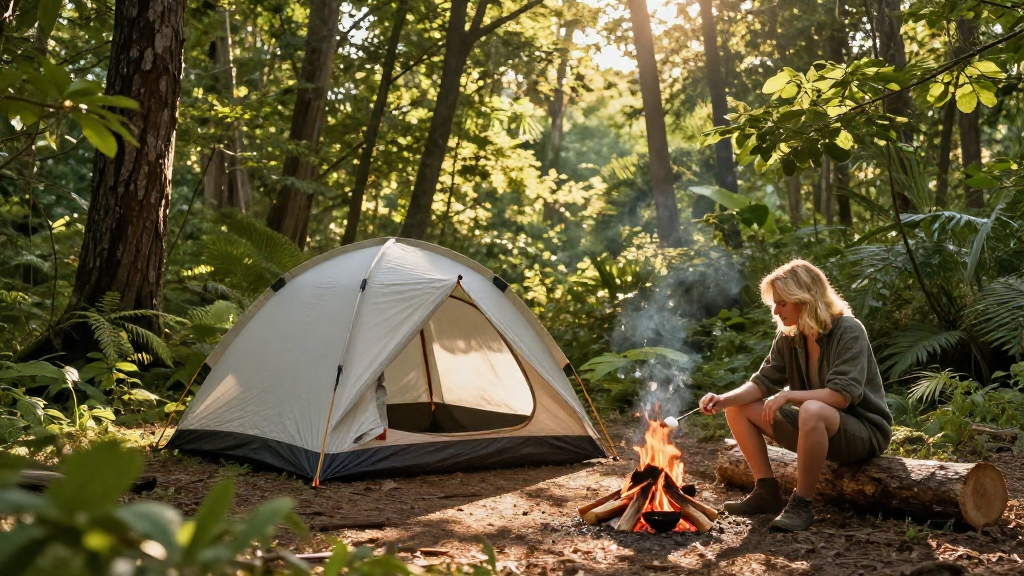
Camping during fire bans can be a daunting task for outdoor enthusiasts.
Understanding how to adapt your camping habits while respecting fire regulations is crucial for safety and preservation of natural resources.
This article will guide you through the essential tips and strategies for camping responsibly during fire bans.
What Are Fire Bans?
Fire bans are implemented to prevent wildfires during dry and hot conditions.
Local authorities declare these bans to restrict open flames in campsites, forests, and other areas prone to fire hazards.
Typically, fire bans include restrictions on:
– Campfires
– Charcoal grills
– Burning debris
– Fireworks
Being aware of the regulations in your desired camping area is vital.
Always check with local parks or forest services for the most current fire ban information.
How Can You Enjoy Camping During Fire Bans?
Camping during fire bans doesn’t mean you can’t enjoy your outdoor experience.
Here are some enjoyable alternatives to traditional campfires:
1. Meal Preparation Without Fire
Cooking while camping during fire bans can still be delicious and fun.
Consider these alternatives:
-
Portable Stoves:
Use propane or butane stoves that don’t create open flames.
These can easily boil water, sauté vegetables, or grill meats where fire bans allow cooking. -
Camping Ovens:
Some camping gear comes with portable ovens that work on propane.
These let you bake meals without an open flame. -
No-Cook Meals:
Pack meals that require no cooking, such as: - Sandwiches
- Dried fruits & nuts
- Instant oatmeal
- Canned goods
2. Lighting Options While Camping During Fire Bans
Evenings in the great outdoors can be enchanting without a traditional campfire.
Consider these creative lighting alternatives:
-
Lanterns:
Use LED lanterns for ambient lighting.
Rechargeable or battery-powered options are popular and safe. -
Headlamps:
Great for walking around the campsite after dark.
They are lightweight and provide hands-free lighting. -
String Lights:
Bring along solar-powered string lights for a cozy atmosphere.
These can be hung around your campsite for warmth without flames.
3. Staying Warm Without a Fire
Cold nights can be uncomfortable when camping, especially during fire bans.
Consider the following strategies for staying warm:
-
Layer Clothing:
Dress in layers, which helps trap heat and keep you warm.
Ensure you have quality thermal and insulated gear. -
Sleeping Bags:
Invest in a good-quality sleeping bag rated for the season.
Look for bags with features like draft collars and hoods to retain heat. -
Insulated Mats:
Sleeping on an insulated mat can help keep the cold from the ground at bay.
Foam pads or air mattresses with insulation are excellent choices.
4. Staying Safe While Camping During Fire Bans
Safety should always be a top priority when camping during fire bans.
Follow these guidelines to enjoy a safe camping experience:
-
Know Your Area:
Understand the specific fire ban rules where you’re camping.
Different areas may have different restrictions. -
Dispose of Waste Properly:
Avoid littering and ensure you pack out everything you brought with you, especially food wrappers and residues. -
Be Mindful of Cigarette Butts:
If you smoke, always extinguish cigarettes completely and dispose of them properly to prevent accidental fires.
5. Outdoor Activities Without Fire
Your camping experience can still be thrilling and adventurous even without campfires.
Consider participating in these activities:
-
Hiking:
Explore local trails and enjoy the natural beauty surrounding you.
Remember your hiking gear and plenty of water. -
Stargazing:
On clear nights, take advantage of the absence of campfire smoke to see the stars.
Bring a telescope or binoculars for a closer look. -
Wildlife Observation:
Look for birds, deer, or other wildlife.
Always keep a safe distance while observing.
What Should You Pack for Camping During Fire Bans?
When preparing for camping during fire bans, pack wisely to accommodate your fire-free experience.
Here’s a handy packing list to consider:
-
Cooking Gear:
Portable stove, cooking pots, utensils, and a cooler for perishable food. -
Lighting Equipment:
LED lanterns, headlamps, and string lights. -
Warm Clothing:
Weather-appropriate layers, hats, gloves, and thermal socks. -
Sleeping Supplies:
A quality sleeping bag, sleeping pad, and travel pillow. -
Safety Items:
First aid kit, insect repellent, sunblock, and extra batteries. -
Activity Gear:
Hiking gear, binoculars for bird watching, and a stargazing app.
Following this checklist ensures you’re well-prepared to face camping during fire bans without compromising enjoyment.
How Does Responsible Camping Influence Future Fire Bans?
Responsible camping practices can significantly influence the future of fire bans in your community.
By respecting regulations and minimizing risks, campers can help prevent wildfires, supporting the preservation of natural habitats.
Advocating for Improvement
Educate others about the importance of safe camping and fire bans.
Encourage local fire authorities to consider fire safety education programs, which can reduce wildfires and promote responsible outdoor recreation.
Encouraging Fire Safety
Promote awareness of fire safety measures not only among fellow campers but also within your community.
Organize local events that highlight the importance of responsible camping and discuss ways to enjoy the outdoors while minimizing risks.
Conclusion
Camping during fire bans presents a unique challenge, but it doesn’t have to be a hindrance to your outdoor enjoyment.
By utilizing alternative cooking methods, finding creative ways to stay warm, and keeping safety a priority, your camping experience can still be thrilling and memorable.
Plan ahead, pack appropriately, and respect the environment and local regulations to ensure a successful adventure.
When we all take responsibility for our actions, we can preserve nature’s beauty and continue to enjoy the great outdoors for generations to come.