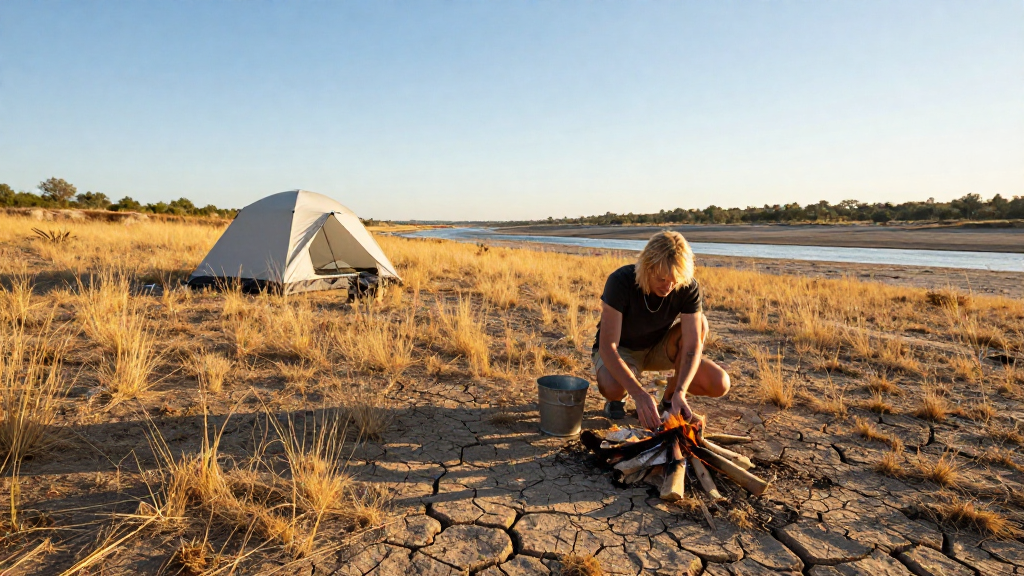
Camping during a drought can be a unique experience that requires extra consideration and respect for nature.
As outdoor enthusiasts, we must embrace sustainable practices that protect our natural resources while enjoying the beauty of camping.
In this article, we will explore ways to camp responsibly during a drought, ensuring that we minimize our environmental impact while making the most of our outdoor adventures.
What Does “Camping During Drought” Mean for You?
Camping during a drought means understanding the unique challenges posed by limited water resources and heightened fire risks.
When planning your camping trip, it’s crucial to be mindful of these factors:
- Water Availability: Some campgrounds may have restricted water access or dry conditions.
- Fire Restrictions: Increased fire danger may mean restrictions on campfires and other open flames.
- Wildlife Impact: Drought conditions can stress local wildlife, making it essential to camp responsibly to minimize disturbances.
By being aware of these challenges, you can take the necessary precautions to ensure both your safety and the well-being of the environment.
How Can You Conserve Water While Camping?
One of the most pressing issues when camping during a drought is water conservation.
Here are some effective methods to conserve water:
-
Plan Ahead:
– Research your camping location for water facilities.
– Bring enough drinking water for your trip and plan to use it sparingly. -
Water-Aware Cooking:
– Opt for meals that require less water.
– Bring pre-packaged snacks or meals that don’t need cooking. -
Limited Showering:
– Use wet wipes or a sponge bath instead of a full shower.
– If you must shower, keep it short and efficient. -
Reuse Water:
– Collect water runoff from cooking to use for cleaning utensils.
– Use biodegradable soap to make disposal safer for the environment. -
Check for Leaks:
– Ensure your water containers are leak-proof to avoid waste.
By adopting these practices, you can help preserve vital water resources while still enjoying your camping experience.
What Fire Safety Precautions Should You Take?
Camping during drought increases the risk of wildfires, making fire safety more important than ever.
To mitigate risk:
-
Check Fire Restrictions:
– Look into local guidelines regarding campfires before you arrive.
– Some areas may have complete bans on open flames. -
Choose Established Fire Rings:
– If fires are permitted, always use existing fire rings.
– Avoid creating new fire pits to minimize soil disturbance. -
Keep Fires Small:
– Limit the size of your fire and keep it contained.
– Only burn what you need; excess fuel can add to the risk. -
Extinguish Completely:
– Ensure your fire is completely out before leaving.
– Pour water and stir the embers to cool them down fully. -
Have a Fire Extinguisher:
– Keep a bucket of water or a fire extinguisher nearby during your campfire.
Your diligence in maintaining fire safety can dramatically reduce the risk of wildfires in drought-stricken areas.
How Can You Protect Local Wildlife?
When camping during a drought, it’s imperative to consider the impact of your visit on local wildlife.
Here are some ways to minimize your footprint:
-
Maintain Distance:
– Observe wildlife from afar and do not feed them.
– Feeding wildlife can alter their natural behaviors and lead to dependency on human-provided food. -
Leave No Trace:
– Follow the Leave No Trace principles.
– Pack out all trash and food waste to prevent attracting animals. -
Stay on Trails:
– Stick to established paths to avoid damaging vegetation.
– This reduces stress on the ecosystem and protects fragile habitats. -
Be Quiet:
– Keep noise levels down to avoid scaring wildlife.
– Respect their habitat and allow them to thrive. -
Use Eco-Friendly Products:
– Bring biodegradable soap and avoid chemicals that could pollute water sources.
– Choose equipment that minimizes impact, like lightweight and compact gear.
Your actions while camping can significantly affect the animals that call the area home, especially during challenging times like a drought.
What Gear is Best for Camping During Drought?
When camping during drought, your gear selection can make a significant difference in your comfort and our planet’s health.
Here are essential items to consider:
-
Water Containers:
– Use durable, leak-proof containers for storing water.
– Consider collapsible options to save space. -
Water Filtration System:
– Invest in a reliable water purification system if you’ll be near natural water sources.
– Portable filters and purification tablets can be life-savers. -
Stovetop or Portable Grill:
– Cooking options that require less water are essential.
– A portable stove consumes less fuel than cooking over an open flame, if allowed. -
Eco-Friendly Wet Wipes:
– Bring biodegradable wipes for personal hygiene without using much water. -
Solar Chargers:
– Save battery life on your electronic devices by using solar chargers.
– This ensures you can remain connected without depleting resources.
By choosing the right gear, you’ll not only have a more enjoyable trip but also contribute positively to the environment.
Conclusion: Why is Responsible Camping During Drought Important?
Camping during a drought offers unique challenges but also a chance to connect with nature more mindfully.
By adopting responsible practices, we can help preserve water, minimize fire risks, and protect local wildlife, ensuring that future generations can experience the joys of camping.
By taking the time to plan and consider our impact, we can continue to enjoy the great outdoors while being stewards of the environment.
So, next time you embark on a camping trip during drought, remember that your choices matter.
Be a responsible camper, and let your outdoor adventures inspire others to follow suit.
Together, we can create a more sustainable and enjoyable camping experience for everyone.