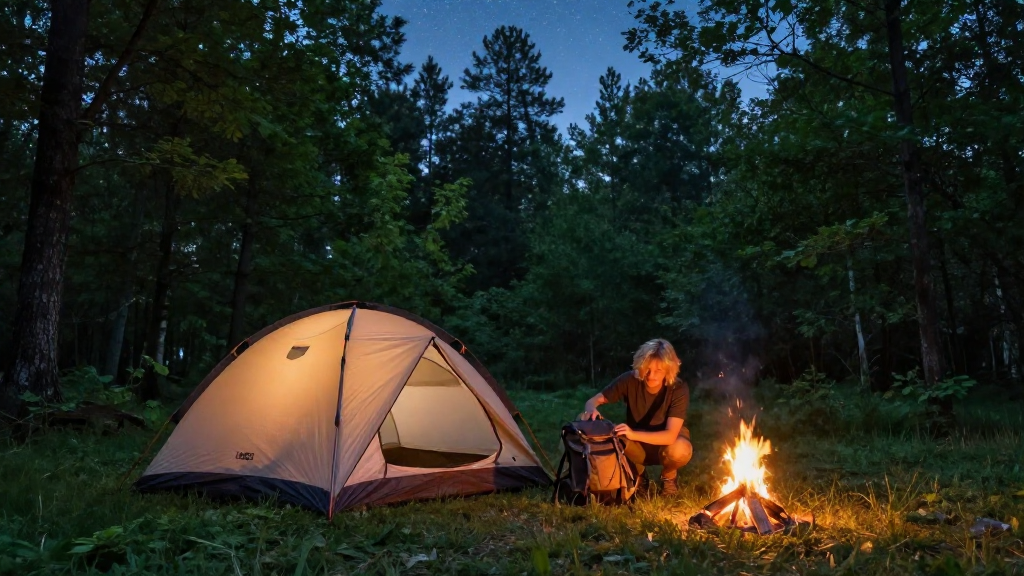
Camping before backpacking can significantly enhance your overall adventure experience.
Whether you are a first-time backpacker or a seasoned explorer, spending a few nights camping can help you acclimate to the outdoors and better prepare for your journey ahead. In this comprehensive guide, we will cover essential tips and strategies on how to camp before your backpacking trip, ensuring you have a fantastic experience.
Why Camp Before Backpacking?
How does camping benefit your backpacking trip?
Engaging in camping before backpacking provides several benefits that can drastically improve your overall experience:
-
Acclimatization: Spending a night or two in nature allows your body to adjust to the surrounding environment, including elevation and weather changes.
-
Gear Testing: Camping gives you the opportunity to test your gear, ensuring everything works as intended and that you’re familiar with how to set up your tent and use your cooking equipment.
-
Skill Development: You can practice essential skills like fire-making, navigation, and food preparation, which will come in handy during your backpacking trip.
-
Mental Preparation: Being in the outdoors helps condition your mindset, allowing you to mentally transition from daily life to the backcountry.
What Gear Do You Need for Pre-Backpacking Camping?
What should you pack for camping before backpacking?
Your equipment for camping should ensure comfort as well as similarity to what you’ll use while backpacking. Here’s a simple checklist of essential gear:
-
Tent: A lightweight, portable tent that mimics your backpacking tent.
-
Sleeping Bag: A bag rated for the temperatures you expect to encounter.
-
Sleeping Pad: Provides insulation and comfort from the hard ground.
-
Cooking Gear: A camping stove or portable grill, fuel, pots, and utensils.
-
Food Supplies: Opt for lightweight, nutrient-dense foods that are easy to cook.
-
Clothing: Layered clothing appropriate for weather conditions, including moisture-wicking and thermal layers.
-
Navigation Tools: Map, compass, or GPS device.
-
First Aid Kit: Essential for addressing minor injuries and ailments.
-
Personal Items: Sunscreen, bug spray, hygiene essentials, and any personal medications.
How Do You Set Up Camp for Your Pre-Backpacking Experience?
What should you consider when selecting a campsite?
Finding the right spot for your campsite is crucial for a comfortable camping experience before backpacking. Here’s a guide to setting up your camp:
-
Location:
– Choose a flat, dry area away from water sources to minimize flooding risk.
– Make sure you’re at least 200 feet away from lakes and rivers to protect the environment.
– Look for a shaded spot to avoid direct sun exposure during the day. -
Ground Preparation:
– Clear away debris like rocks and sticks.
– Lay down a footprint or tarp to protect your tent flooring. -
Tent Setup:
– Follow the manufacturer’s instructions for a straightforward setup.
– Ensure your tent is fully staked down to prevent movement during wind. -
Cooking Area:
– Create a dedicated cooking and eating zone away from your sleep area.
– Set up a portable stove about 30 feet from your tent to prevent fire hazards. -
Hygiene Station:
– Set up a small area for washing hands and preparing food.
– Keep biodegradable soap for cleanliness, and store food safely to avoid attracting wildlife.
How Can You Improve Your Camping Skills?
What techniques can you use to enhance your camping experience?
Developing your camping skills is vital for making the most of your pre-backpacking experience. Here’s a selection of skills to practice:
- Fire-Making:
- Learn various fire-starting methods (matches, flint & steel, fire starters).
-
Practice safe fire management skills.
-
Cooking Over a Campfire:
- Experiment with simple recipes using lightweight, portable cooking gear.
-
Learn how to prepare food and keep it safe from wildlife.
-
Navigation Exercises:
- Familiarize yourself with terrain through map reading and compass use.
-
Practice navigating to designated waypoints.
-
Setting Up a Bear Bag:
- Understand how to hang a bear bag properly to keep your food secure from wildlife.
When Is the Best Time to Camp Before Backpacking?
How long before your trip should you consider camping?
The ideal timeline for camping before backpacking depends on your experience level:
-
Beginners: Camp at least 1-2 weekends before your trip to gain confidence and comfort in the outdoors.
-
Intermediate: A single camping trip a few days before is often enough to test gear and practice skills.
-
Advanced: If you’re experienced, you can camp just a day or two in advance to refresh your camping skills.
Where Can You Camp?
What are some ideal camping locations for your pre-backpacking experience?
Choosing the right location is essential for a successful camping experience before backpacking. Here are some options:
-
Local State or National Parks: They offer designated camping spots with amenities and often beautiful landscapes.
-
Backcountry Sites: If you’re looking for more adventure, consider remote sites where permits are often required.
-
Campsites Along Trails: Some trails have established campsites that can help you gradually ease into a backpacking mindset.
Conclusion
Why prioritize camping before your backpacking trip?
Camping before backpacking is an excellent way to prepare both physically and mentally for your adventure.
From testing your gear to honing essential outdoor skills, dedicating time to this crucial step enhances your confidence and enjoyment on your upcoming journey.
By practicing the tips and techniques outlined above, your experience will undoubtedly be smoother and more rewarding.
So, lace up your boots, gather your gear, and embark on your camping experience to set the stage for your upcoming backpacking trip!