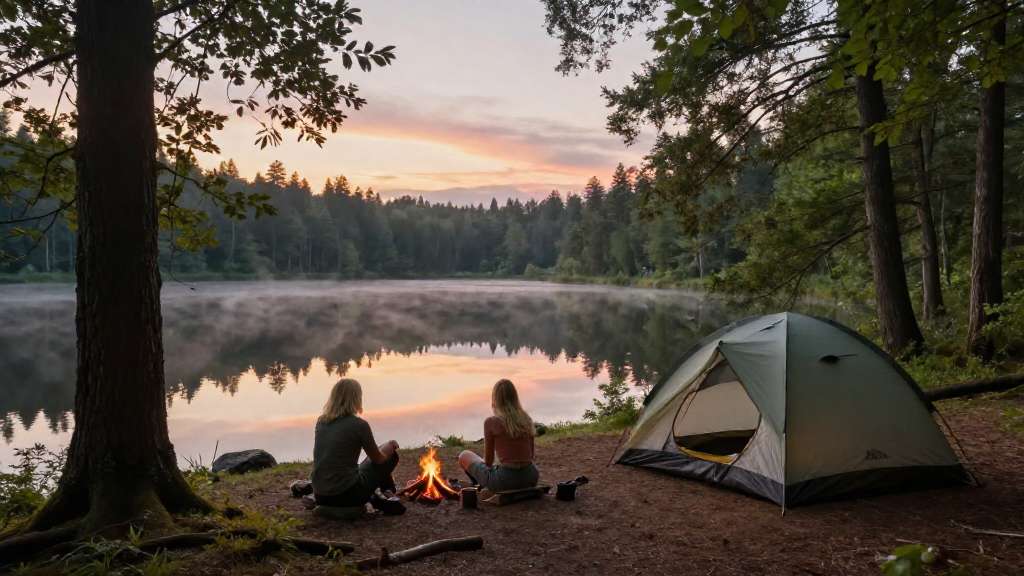
Camping and leave no trace go hand in hand in preserving our beautiful wilderness areas.
Understanding leave no trace principles is essential for every outdoor enthusiast who wants to enjoy nature responsibly.
What Are the Principles of Leave No Trace Camping?
Leave No Trace camping is based on seven core principles designed to minimize impact on the environment.
These principles serve as guidelines for all outdoor activities, including camping, hiking, and backpacking.
Here’s a brief overview of each principle:
-
Plan Ahead and Prepare
– Research your destination, including regulations and weather conditions.
– Prepare for emergencies and pack necessary gear.
– Make reservations if required, ensuring that you follow local guidelines. -
Travel and Camp on Durable Surfaces
– Stick to established trails and campsites.
– Avoid trampling on vegetation and trampling soil.
– Choose durable surfaces such as rock, gravel, or dry grass for camping. -
Dispose of Waste Properly
– Pack out all trash, leftover food, and litter.
– Use established restroom facilities whenever possible.
– If no facilities are available, dig a 6-8 inch deep hole (also known as a “cat hole”) to bury human waste—at least 200 feet away from water sources, trails, and campsites. -
Leave What You Find
– Preserve the natural beauty by avoiding the removal of rocks, plants, or historical artifacts.
– Leave natural objects as you found them. -
Minimize Campfire Impact
– Use a camp stove for cooking instead of an open fire to reduce the risk of wildfires.
– If you do have a campfire, choose a site with a pre-existing fire ring.
– Use only small amounts of firewood and ensure all ashes are completely cold before leaving. -
Respect Wildlife
– Observe animals from a distance without feeding them.
– Store food and trash safely to avoid attracting wildlife.
– Understand the local ecosystem to avoid disrupting habitats. -
Be Considerate of Other Visitors
– Keep noise levels down and maintain a respectful distance from fellow campers.
– Follow local regulations regarding group sizes.
– Leave space in popular areas for others to enjoy.
How Can You Practice Leave No Trace Camping?
Practicing leave no trace camping involves being mindful of your activities and choices during your outdoor adventures.
Here are some tips on how to integrate these principles into your camping trips:
-
Plan Your Trip Wisely: Choose less-traveled areas to alleviate the pressure on popular campsites. This not only helps the environment but can provide a unique camping experience.
-
Choose the Right Gear: Invest in high-quality camping equipment that is durable and lightweight. This reduces the need for multiple items and minimizes waste.
-
Use Eco-Friendly Products: Opt for biodegradable soaps and natural cleaning products. When washing dishes or yourself, ensure that you do it at least 200 feet away from lakes and streams.
-
Leave No Trace Additions:
- If you bring it in, take it out: Bring reusable containers to reduce waste.
-
Follow Campfire Etiquette: Keep fires small and contained, and only burn seasoned firewood.
-
Get Involved: Participate in local cleanup events, share your knowledge of leave no trace principles with friends, and advocate for responsible recreation in your community.
What Are the Benefits of Leave No Trace Camping?
Adhering to leave no trace camping principles has numerous benefits, not just for the environment but for the camping community as a whole.
Here are some of the key advantages:
-
Sustainable Use of Natural Resources: Protecting the environment ensures that future generations can enjoy the natural beauty of our parks and forests.
-
Enhanced Outdoor Experience: The more people practice leave no trace, the more pristine and enjoyable our outdoor spaces remain.
-
Wildlife Conservation: Protecting habitats and wildlife helps to maintain balance in the ecosystem, allowing flora and fauna to thrive.
-
Community Awareness: By working together and promoting responsible outdoor practices, camping and leave no trace principles build a stronger sense of community.
-
Personal Responsibility: Practicing leave no trace fosters a sense of stewardship, encouraging individuals to take responsibility for their actions in nature.
Where Can You Learn More About Leave No Trace Camping?
There are numerous resources available for those interested in learning more about camping and leave no trace principles.
-
Leave No Trace Center for Outdoor Ethics: This nonprofit organization offers comprehensive educational resources, training programs, and tools to encourage responsible outdoor recreation.
-
Local Outdoor Clubs and Organizations: Many local hiking and camping groups provide workshops and outings focused on leave no trace principles.
-
Online Courses and Webinars: Various platforms offer online sessions covering leave no trace camping practices.
-
Books and Guides: Authors and organizations have published materials discussing eco-friendly camping techniques and the importance of preserving nature.
Why Is Leave No Trace Camping Important?
Embracing leave no trace camping is crucial in combating the environmental impact of human activities.
With an increasing number of outdoor enthusiasts, the strain on natural resources and ecosystems can escalate rapidly.
By adopting these principles, we help ensure that our precious wilderness areas are preserved for future generations.
Here are some essential reasons why leave no trace camping is paramount:
-
Reducing Overcrowding: By spreading awareness about responsible outdoor practices, we can manage the load on popular sites, allowing more areas to recover and thrive.
-
Protecting the Environment: Healthy ecosystems are vital for the survival of diverse species and the stability of our climate.
-
Promoting Outdoor Recreation: Preserving natural spaces ensures that everyone can enjoy outdoor activities like hiking, camping, and backpacking.
Conclusion
Camping and leave no trace principles are vital for maintaining the balance between human enjoyment and environmental sustainability.
By understanding and embracing the seven principles of leave no trace camping, you can make a significant impact on preserving nature for future generations.
Educate yourself, spread the word, and make conscientious decisions during your outdoor adventures.
Doing so will not only enhance your own experiences but will also protect and preserve our cherished landscapes for future adventurers to enjoy.
So, the next time you go camping, remember: practice leave no trace, and ensure our wild places remain as beautiful and untouched as they are today.