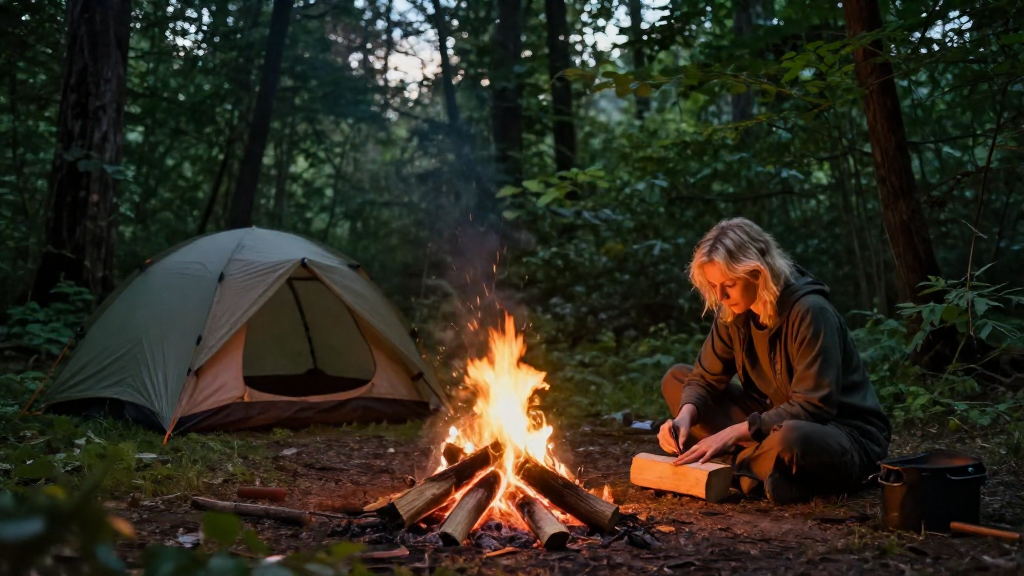
When it comes to enjoying the great outdoors, bushcraft camping tips can significantly elevate your experience.
Whether you’re seeking adventure, solitude, or a chance to connect with nature, mastering the art of bushcraft makes for a rewarding adventure. In this article, we will explore the top bushcraft camping tips to help you make the most out of your outdoor excursions.
Why Should You Learn Bushcraft Skills?
Bushcraft is not just about survival; it’s also about developing a deep connection with nature. Here are a few compelling reasons to consider honing your bushcraft skills:
-
Self-Sufficiency: Learning to build your own shelters, create fire, and find food in the wild.
-
Enhanced Experience: Being in nature becomes more engaging and fulfilling.
-
Problem Solving: Bushcraft teaches you to think critically and creatively when faced with challenges.
-
Fun with Friends: These skills can be shared with friends and family, creating memorable bonding experiences.
What Essential Gear Do You Need for Bushcraft Camping?
When heading into the wild, having the right equipment is crucial. Here are some essential items you should include in your packing list to follow the best bushcraft camping tips:
-
Quality Backpack: Look for one that’s durable, waterproof, and has enough space for your gear.
-
Multi-tool: A good multi-tool can serve numerous purposes.
-
Fire Starter: Matches, lighters, and fire starters.
-
Water Filtration System: Essential for safe drinking water.
-
First Aid Kit: Always prepare for minor accidents or injuries.
-
Cooking Gear: Portable stove, cookware, or a pot to boil water.
-
Sleeping Gear: A sleeping bag suitable for the conditions and an insulating sleeping pad.
-
Navigation Tools: Map and compass for essential navigation skills.
-
Shelter Material: A tarp, lightweight tent, or hammock with a bug net.
-
Food Supplies: Non-perishable items or meals ready to eat.
How Can You Build a Shelter in the Wild?
Learning how to construct a shelter is one of the critical bushcraft camping tips for staying safe and comfortable. Here’s how to build a simple debris hut:
-
Choose the Right Location: Look for a flat area away from falling branches and hazards like floods.
-
Gather Materials: Collect sturdy branches for the frame. Typical lengths are between 5-6 feet.
-
Construct a Framework: Create a framework leaning against a tree or logs that provide support.
-
Add Insulation: Fill your hut with leaves, pine needles, and grass.
-
Make an Entrance: Ensure that there’s an opening to enter and exit, but if possible, keep it small for better insulation.
What Are the Best Fire-Building Techniques?
No bushcraft camping experience is complete without a roaring campfire. Here are efficient techniques to get your fire going efficiently:
1. Gather Materials Pre-Process.
-
Tinder: This is fine, dry material that catches fire easily. Use dry leaves, pine needles, or cotton balls.
-
Kindling: These are small sticks or twigs that ignite easily.
-
Fuel Wood: Larger logs that will keep your fire going once established.
2. Choose Your Fire Lay.
-
Tepee Fire Lay: Great for quick heat and easy flame management.
-
Log Cabin Lay: Provides a longer-lasting fire, ideal for cooking.
3. Start the Fire.
Place your tinder at the center of your chosen lay.
Light the tinder and gradually add kindling, ensuring that you don’t smother the fire.
Once the kindling catches, gradually add larger fuel wood.
How Can You Forage Safely in the Wild?
Foraging is an exciting aspect of bushcraft camping, but safety is paramount. Here are some bushcraft camping tips on foraging:
-
Do Your Research: Learn about edible vs. poisonous plants. Commonly foraged items include wild berries, nuts, and certain mushrooms.
-
Use Resources: Bring foraging guides or apps that detail local flora.
-
Leave No Trace: Pick only what you need, and always respect nature.
-
Test Small Quantities: If trying a new edible item, consume a small portion first to check for reactions.
What Cooking Methods Should You Know in Bushcraft?
Knowing how to cook outdoors is essential. Here are some bushcraft camping tips for effective outdoor cooking:
-
Boiling Water: Use a pot or a container, placing it directly over the fire.
-
Cooking on a Stick: A green stick can be used to skewer food items and hold them over the fire.
-
Use of Stones: Heated rocks can be placed in containers with food to cook or heat it.
-
Foil Packs: Wrap food in aluminum foil, then place it in the coals for cooking.
-
Baking in the Fire: Create an oven by placing stones in a circle and using a flat surface to cover it while the coals heat.
How Important Is It to Practice Leave No Trace Principles?
Practicing Leave No Trace principles is a crucial aspect of bushcraft camping tips. Here’s how to minimize your impact on the environment:
-
Plan Ahead: Choose sustainable camping spots and respect wildlife.
-
Manage Waste Wisely: Carry out what you bring in. Pack out trash, leftover food, and other hazardous materials.
-
Camp on Durable Surfaces: Use established campsites to minimize damage to new areas.
-
Respect Wildlife: Observe animals from a distance and never feed them.
What Are Some Final Bushcraft Camping Tips?
As a summary, here are some final bushcraft camping tips to enhance your experience:
-
Learn Basic Navigation Skills: Know how to read maps and use a compass.
-
Stay Hydrated: Always know where water sources are located.
-
Practice Before You Go: Build fires, construct shelters, and try foraging at home before your outdoor adventure.
-
Build a Community: Join local bushcraft groups to share skills and learn from others.
By integrating these bushcraft camping tips into your outdoor adventures, you enhance not only your survival skills but also your overall connection to nature.
So gear up, delve into the wilderness, and enjoy the nurturing embrace of the great outdoors!