Finding capable water-sports gear on a budget is easier when you focus on thickness, coverage, fit, and the conditions you actually face. The best wetsuits under $100 can provide useful insulation and sun protection without the cost of premium suits.
This roundup includes full suits, shorties, dive skins, and neoprene tops for surfing, snorkeling, swimming, diving, and casual water activities. Use the guide below to narrow your choice by warmth, coverage, mobility, and intended use.
Best 10 Wetsuits Under 100 Picks for 2026
Cold-Water Comfort
Hevto Men’s 3/2mm Full Wetsuit

- 3/2mm neoprene for warmth and flexibility
- Front zipper with upgraded puller
- 16 regular, short, and tall size options
Best For: Adults wanting a versatile full suit for cooler-water activities
Layering Essential

- Lightweight 1mm full-body design
- Front zipper for easier changing
- Suitable alone or under another wetsuit
Best For: Warm-water protection and lightweight wetsuit layering
Rugged 3mm Value

- 3mm neoprene for water temperatures 55°F and above
- Flexible 2mm sleeves and 3mm chest panel
- Reinforced knees and YKK back zipper
Best For: Active adults needing warmth and durability across multiple water sports
Lightweight UV Coverage
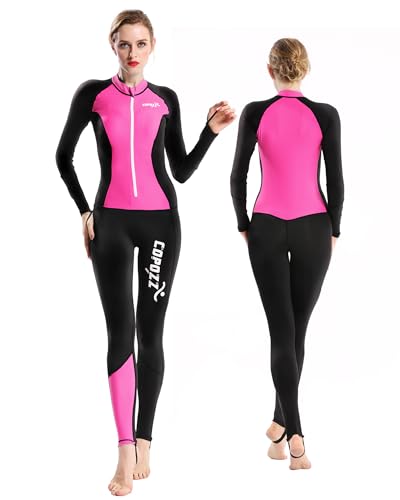
- UPF50+ full-body coverage
- Stretch fabric with front zipper
- Can be worn alone or under a wetsuit
Best For: Warm-water sports requiring lightweight sun and sting protection
Best Shorty Neoprene Pick
Seaskin 3mm Front-Zip Shorty Wetsuit
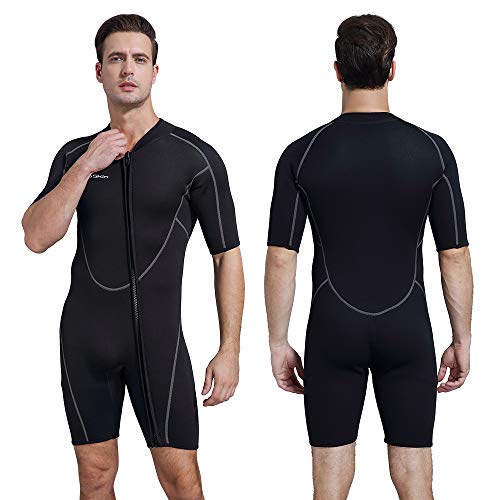
- 3mm neoprene and nylon construction
- Front zipper with short sleeves
- Designed for multiple recreational water sports
Best For: Adults wanting a warm, flexible shorty suit
Best Lightweight Dive Skin
Women’s Thin Full-Body Swim Suit

- 0.8mm quick-drying nylon-spandex fabric
- Full-body coverage with long sleeves
- Thumb loops and foot stirrups for layering
Best For: Women wanting lightweight coverage or a wetsuit base layer
Best Plus-Size Shorty Option
Seaskin XXL 3mm Front-Zip Wetsuit
- XXL specification with 44-inch chest
- 3mm neoprene for added warmth
- Front zip and shorty coverage
Best For: Adults seeking a larger-size recreational shorty wetsuit
Best with Extra Features
- Thin, stretchy nylon-spandex fabric
- Quick-drying full-body coverage
- Designed for warm water or layering
Best For: Warm-weather watersports and wetsuit layering
Thermal Neoprene Top
3mm Long-Sleeve Wetsuit Jacket

- 3mm neoprene for added warmth
- Long sleeves and tightened cuffs
- Front zipper with flexible construction
Best For: Upper-body insulation for water sports
UV Full-Body Dive Skin

- UPF 50+ full-body coverage
- Stretchy, breathable quick-dry fabric
- Front zipper and slim fit
Best For: Sunny swimming and lightweight watersports coverage
Cold-Water Comfort – Hevto Men’s 3/2mm Full Wetsuit
For shoppers comparing wetsuits under 100, the Hevto 3/2mm full suit is a practical option for water activities where warmth, coverage, and flexibility matter. Its neoprene construction, long sleeves, and front zipper suit activities such as surfing, snorkeling, diving, kayaking, and paddleboarding.
Best For: Adults seeking a versatile full wetsuit for cooler-water recreation and extended sessions.
Pros:
- 3/2mm neoprene balances insulation with flexibility.
- Front zipper and upgraded puller are designed for easier entry and exit.
- Full-body coverage helps protect against wind, sun, and scratches.
- Available in 16 size options, including regular, short, and tall fits.
Cons:
- The full suit may feel warmer than needed for hot-weather activities.
- The supplied specifications list a 90°F temperature rating, so buyers should verify suitability for their particular water conditions.
The Hevto is a strong all-around pick when you want one suit for several water sports. Its broad sizing range and front-zip design add convenience, while the 3/2mm build provides more coverage than a lightweight dive skin.
Layering Essential – Cressi Adult Full Water Skin
Among wetsuits under 100, the Cressi Skin stands out as a lightweight full-body layer rather than a thick cold-water suit. Its elastic nylon-and-elastane fabric is designed for comfort, UV coverage, and use beneath another wetsuit when extra warmth or easier dressing is helpful.
Best For: Adults who need a light full-body rash guard for snorkeling, paddleboarding, kitesurfing, or wetsuit layering.
Pros:
- Soft, elastic fabric is comfortable against the skin.
- Front zipper supports easier donning and doffing.
- Can be worn alone for UV, scratch, and jellyfish protection.
- Works as a second layer under a thicker wetsuit.
Cons:
- At 1mm thick, it offers less insulation than a 3mm neoprene wetsuit.
- The supplied material details describe fabric as nylon and elastane rather than a conventional thick neoprene build.
The Cressi Skin makes the most sense for warm-water protection, comfort, and layering. Choose it when flexibility and coverage are more important than maximum insulation.
Rugged 3mm Value – Lemorecn Men’s Full Wetsuit
For buyers searching wetsuits under 100 for regular water sports, the Lemorecn men’s full wetsuit combines 3mm neoprene with activity-focused details. It is built for water temperatures of 55°F and above and includes flexible sleeves, abrasion-resistant knee pads, and a long back-zip pull.
Best For: Adults participating in surfing, diving, snorkeling, kayaking, swimming, and other active water sports.
Pros:
- 3mm neoprene is designed to retain body heat in water at 55°F and above.
- 2mm sleeves support greater flexibility, while the 3mm chest panel adds warmth.
- Flatlock seams help reduce chafing during active use.
- Anti-abrasion knee pads and a YKK 10# zipper add practical durability.
Cons:
- The back zipper may be less convenient to reach than a front-zip design.
- The supplied notes specify a men’s fit, limiting its intended audience.
- It requires hand washing and flat air drying for care.
The Lemorecn is a well-equipped choice for buyers who prioritize warmth and durability in a general-purpose full suit. Its reinforced knees and broad sport coverage make it particularly suitable for active, rough-use environments.
Lightweight UV Coverage – COPOZZ 1mm Dive Skin
If you are comparing wetsuits under 100 for warm-water coverage, the COPOZZ 1mm dive skin offers a lightweight full-body alternative. Its stretchy polyamide-and-elastane construction, front zipper, and UPF50+ protection are suited to swimming, snorkeling, surfing, kayaking, and other water activities.
Best For: Water-sports users who want lightweight sun, sting, and abrasion coverage with unrestricted movement.
Pros:
- Lightweight 1mm design can be worn alone or under a thicker wetsuit.
- Full-body coverage helps protect against UV exposure, sea lice, jellyfish, and coral.
- Four-way stretch supports comfortable movement in the water.
- Front zipper and wrist-and-foot stirrups help with changing and suit placement.
Cons:
- Its 1mm construction provides less warmth than a 3mm or 5/4mm wetsuit.
- The supplied sizing guidance recommends going up a size when between sizes.
- Hand washing and flat drying are required care steps.
The COPOZZ is best viewed as a protective dive skin rather than a heavy cold-water wetsuit. It is a practical pick for warm conditions, layering, and activities where sun and environmental protection matter most.
Best Shorty Neoprene Pick – Seaskin 3mm Front-Zip Shorty Wetsuit
If you want wetsuits under 100 for warm-weather water activities, this Seaskin shorty combines 3mm neoprene insulation with a flexible nylon outer layer. Its short sleeves and front zipper make it a practical choice for snorkeling, swimming, diving, and water aerobics.
Best For: Adults seeking a shorty wetsuit for recreational water sports and moderate warmth.
Pros:
- 3mm, three-layer construction is designed for stretch, water resistance, and heat insulation.
- Front zipper makes the suit easier to put on and remove.
- Shorty design suits water aerobics, snorkeling, surfing, swimming, and diving.
- Soft close-to-skin lining is intended to improve comfort and warmth.
Cons:
- Short sleeves and legs provide less coverage than a full-body wetsuit.
- The snug fit requires careful measurement against Seaskin’s size chart.
- Hand washing and flat drying are recommended, so care is not machine-friendly.
Choose this model when you prefer a compact shorty silhouette without giving up the insulation of 3mm neoprene. Check the brand’s chart closely, since the suit is designed to fit tightly against the body.
Best Lightweight Dive Skin – Women’s Thin Full-Body Swim Suit
Among wetsuits under 100, this lightweight dive skin is better viewed as a thin exposure layer than a conventional neoprene wetsuit. The 0.8mm nylon-spandex fabric offers full-body coverage, quick drying, and easy layering for warm-weather swimming and water sports.
Best For: Women who want sun, friction, and ocean-element protection or a slim layer to wear beneath a thicker wetsuit.
Pros:
- Lightweight 0.8mm fabric is designed for hot beach weather and quick drying.
- Long sleeves, full-body coverage, and stated sun protection help limit exposed skin.
- Thumb loops and foot stirrups help keep the suit in place under a wetsuit.
- Built-in bra cups and padding liner reduce the need for a separate swimsuit underneath.
Cons:
- It is a dive skin, not a traditional neoprene wetsuit, so insulation is limited.
- The supplied design is female-only, which may not suit every shopper.
- Sizing differs from standard U.S. sizing, so the included chart needs careful review.
This is a useful choice for coverage and layering rather than cold-water insulation. Its front zipper, stretch fabric, and stay-put features make it practical for snorkeling, kayaking, surfing, and similar activities.
Best Plus-Size Shorty Option – Seaskin XXL 3mm Front-Zip Wetsuit
For shoppers comparing wetsuits under 100 in larger sizes, this Seaskin shorty offers the same 3mm neoprene-and-nylon construction in an XXL specification. The front zip and short-sleeve design make it suited to recreational diving, snorkeling, swimming, and water aerobics.
Best For: Adults needing an XXL shorty wetsuit with a 44-inch chest and 40-inch waist specification.
Pros:
- 3mm neoprene provides more insulation than an ultra-thin dive skin.
- Three-layer fabric construction is designed for flexibility, water resistance, and warmth.
- Front zipper supports easier dressing and removal.
- Shorty form works across diving, snorkeling, surfing, swimming, and water aerobics.
Cons:
- Shorty coverage leaves more of the arms and legs exposed than a full suit.
- The XXL fit still needs to be checked against Seaskin’s size chart.
- Recommended hand washing and flat drying require extra garment care.
This version is worth considering if standard shorty sizes are too restrictive and you want a warmer neoprene option for recreational use. Confirm the measurements before ordering to avoid sacrificing the close fit needed for heat retention.
Best with Extra Features – Full-Body Swim Skin
If you’re comparing wetsuits under 100, this full-body dive skin is a lightweight option for warm-water activities and layering. Its thin nylon-spandex construction offers stretch, quick drying, UV coverage, and protection from common ocean irritants, but it is not a thermal neoprene wetsuit.
Best For: Warm-weather snorkeling, swimming, surfing, kayaking, and wearing under a wetsuit.
Pros:
- Stretchy 0.8mm nylon-spandex fabric is lightweight and quick drying.
- Full-body coverage helps protect against sun, jellyfish, and skin friction.
- Front zipper, thumb loops, and foot stirrups support easier dressing and layering.
- Women’s design includes bra cups and a padding liner.
Cons:
- It is a dive skin rather than a neoprene wetsuit, so warmth is limited.
- Fit may require careful size-chart review because sizing differs from standard US sizes.
This suit makes sense when coverage, mobility, and layering matter more than maximum insulation. For colder water, pair it with a suitable neoprene wetsuit instead of relying on it alone.
Thermal Neoprene Top – 3mm Long-Sleeve Wetsuit Jacket
For shoppers seeking wetsuits under 100, this long-sleeve neoprene top provides a more insulating alternative to thin dive skins. The 3mm neoprene construction is designed for a close fit, while the front zipper and full-coverage sleeves suit a range of water activities.
Best For: Snorkeling, surfing, swimming, diving, and other activities where a flexible thermal top is useful.
Pros:
- 3mm neoprene offers more warmth than a thin rash guard or dive skin.
- Long sleeves, tightened cuffs, and a close fit help reduce water entry.
- Front zipper makes the top easier to put on and take off.
- Flatlock stitching and high stretch are designed for durability and mobility.
Cons:
- This is a top only, not a complete full-body wetsuit.
- The close fit may feel tight when dry, and measurements should be checked against the size chart.
- Some users may find the added neoprene warmth excessive for hot-water use.
This jacket is a practical choice if you want upper-body insulation without buying a full suit. Combine it with appropriate bottoms for more coverage in colder conditions.
UV Full-Body Dive Skin – Quick-Dry Rash Guard Suit
Among wetsuits under 100, this full-body dive skin is aimed at swimmers and paddlers who want lightweight coverage rather than heavy insulation. The stretchy nylon-spandex fabric dries quickly, includes UPF 50+ protection, and is designed for movement across varied watersports.
Best For: Swimming, kayaking, snorkeling, surfing, boating, and sunny outdoor water activities.
Pros:
- 80% nylon and 20% spandex fabric is breathable, stretchy, and quick drying.
- UPF 50+ coverage helps protect skin from sun exposure.
- Full-body design helps shield against jellyfish, coral, and other ocean irritants.
- Slim fit and front zipper support mobility and easier changing.
Cons:
- Thin fabric does not provide the same thermal insulation as a neoprene wetsuit.
- Full-body coverage may be warmer than needed for casual pool use.
Choose this suit when sun protection and reduced skin exposure are the priorities. It can add some coverage in the water, but colder conditions call for a true neoprene wetsuit.
How We Picked the Best Wetsuits Under 100
We focused on construction, stated neoprene thickness, coverage, closure design, sun protection, and the activities each suit is intended to support. The selection includes budget-friendly full wetsuits, shorty styles, thin dive skins, and neoprene tops so shoppers can compare options for different water temperatures and comfort needs.
Because fit has a major effect on warmth and performance, we also considered adjustability and practical features such as front zippers, long sleeves, full-body coverage, and quick-drying materials. Always check the manufacturer’s size chart and measurements before ordering.
Quick Comparison
| Style | Best For | Main Advantage | Trade-Off |
|---|---|---|---|
| 3/2mm full suit | Cooler water and general watersports | Balanced warmth and flexibility | Less insulating than thicker suits |
| 5/4mm full suit | Colder conditions | More thermal protection | Bulkier and less flexible |
| Shorty wetsuit | Warm water and casual use | Easy movement and lower coverage | Limited protection for arms and legs |
| Dive skin or thin suit | Snorkeling, swimming, and sun protection | Lightweight coverage and quick drying | Minimal insulation |
| Neoprene top | Paddling, layering, and surface sports | Flexible standalone or layered use | Does not protect the lower body |
Key Buying Factors for Wetsuits Under 100
Thickness and Water Temperature
Thicker neoprene generally retains more body heat, while thinner material improves flexibility and works better in warm water. A 3/2mm suit is a versatile starting point for many recreational activities. Consider a 5/4mm option only when colder conditions justify the added insulation and bulk.
Fit and Entry System
A wetsuit should feel snug without restricting breathing, paddling, or shoulder movement. Gaps around the neck, wrists, or ankles can allow water to flush through and reduce warmth. Front zippers are often convenient for changing, but zipper placement and panel design can affect mobility.
Coverage and UV Protection
Full suits offer the most coverage against cold, abrasion, and sun exposure. Dive skins and rash-guard-style suits are better for warm-water activities where UV protection matters more than insulation. Look for stated UPF ratings when sun protection is a priority.
Activity and Durability
Surfing, diving, snorkeling, and swimming place different demands on a suit. Reinforced seams, comfortable panels, and a secure closure are useful for active use, while lightweight designs may be preferable for occasional swimming or travel.
Who Should Buy Which Wetsuits Under 100?
Choose a Full 3/2mm Suit for Versatility
Pick a full 3/2mm wetsuit if you want one practical option for surfing, diving, snorkeling, or swimming in moderately cool water. It offers a useful balance of coverage, warmth, and movement.
Choose a Shorty for Warm Water
A shorty is a sensible choice for warm-water recreation, vacation use, and people who dislike the restrictive feel of full-leg sleeves. It provides core coverage while keeping the arms and legs freer.
Choose a Dive Skin for Sun and Light Coverage
Thin full-body suits are best for snorkeling, swimming, and tropical activities where UV protection, reduced chafing, and modest warmth are more important than cold-water insulation.
Choose a Neoprene Top for Layering
A wetsuit top works well for paddling, surface swimming, and layering beneath another suit. It is a good fit for shoppers who need upper-body warmth without full-body coverage.