Warm-water activities still benefit from the right wetsuit. A thin, well-fitting layer can reduce chill, protect your skin from sun and abrasion, and make long sessions in the water more comfortable.
This roundup compares 10 wetsuits in lightweight neoprene thicknesses and practical designs for snorkeling, scuba diving, surfing, paddleboarding, kayaking, and swimming. Use the guide below to narrow your choice by coverage, fit, flexibility, and water temperature.
Best 10 Wetsuits for Warm Water Picks for 2026
Flexible Full-Body Coverage

- Ultra-stretch neoprene
- Lightweight 1 mm insulation
- Streamlined full-body cut
Best For: Warm-water divers wanting flexible full coverage
Easy-Entry Shorty

- Convenient front zipper
- Stretch 2 mm neoprene
- UV and wind-resistant panels
Best For: Active water sports in warm-to-temperate water
Warmth-Focused Full Suit
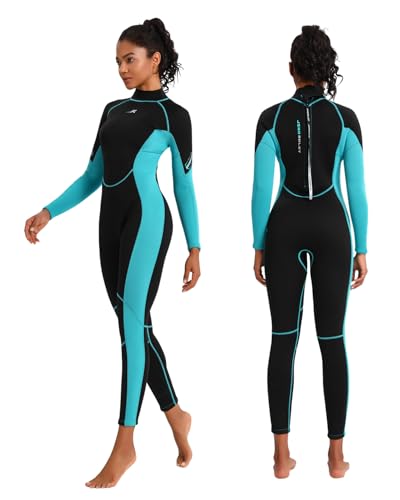
- 3 mm neoprene construction
- Convenient back zipper
- Designed for multiple water sports
Best For: Women wanting full-body warmth and coverage
Layerable Diving Shorty

- Durable nylon-sided neoprene
- Plush inner lining
- Layer-friendly shorty design
Best For: Divers needing a durable warm-water shorty
Balanced Warm-Water Coverage

- Stretchy 2mm neoprene
- Front-zip full-body design
- Made for multiple water sports
Best For: Adults wanting light insulation and full coverage for warm-water activities
Lightweight Sun Protection
COPOZZ 1mm Full-Body Dive Skin

- For water above 70°F
- UPF 50+ sun protection
- Flexible nylon-spandex fabric
Best For: Warm-water users seeking lightweight coverage and protection from sun and surface hazards
Higher-Insulation Option

- 3/2mm neoprene insulation
- Front zipper with upgraded puller
- 16 regular, short, and tall size options
Best For: Adults wanting added warmth and coverage for longer water sessions
Warm-Water Shorty Pick
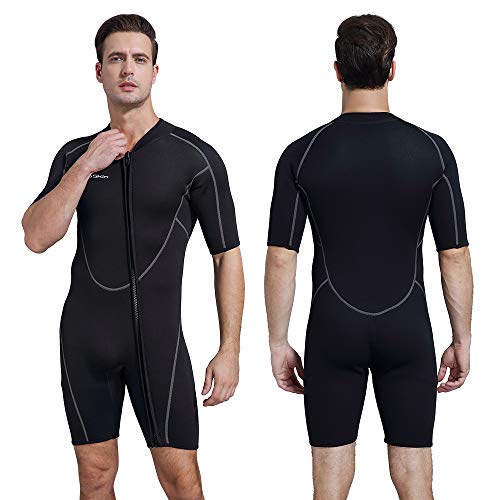
- 3mm neoprene-nylon construction
- Front zipper for easier entry
- Shorty coverage for water sports
Best For: Warm-water snorkeling, swimming, and water aerobics
Full-Coverage Warmth Pick
O'Neill Reactor-2 3:2mm Full Suit

- 3:2mm full-body neoprene design
- Back zip for easier entry
- Stretch panels support mobility
Best For: Surfing, paddling, kayaking, and lake activities
Lightweight Layer Pick
Neoprene Front-Zip Wetsuit Top
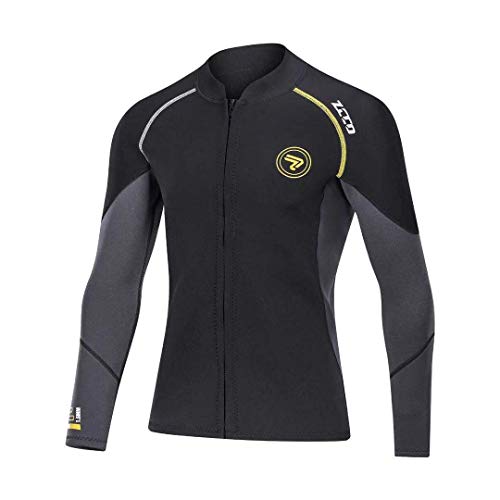
- Light 1.5mm neoprene layer
- Long sleeves for sun coverage
- Front zipper aids changing
Best For: Warm-water surface sports and sun protection
Flexible Full-Body Coverage – Mares M-Flex 1 mm
For shoppers comparing wetsuits for warm water, the Mares M-Flex offers lightweight full-body coverage with 1 mm ultra-stretch neoprene. Its streamlined cut is designed to support mobility while providing a modest layer of insulation for diving.
Best For: Divers who want a flexible, streamlined full wetsuit for warm-water conditions.
Pros:
- Ultra-stretch neoprene supports a broad range of motion.
- Full-body 1 mm construction balances light insulation and flexibility.
- Redesigned sizing is intended to minimize gaps across a range of body types.
- Streamlined styling may help reduce drag in the water.
Cons:
- At 1 mm, it provides less insulation than thicker wetsuits.
- Full-body coverage may be more than needed for users who prefer a shorty.
The M-Flex is a practical warm-water choice when unrestricted movement and full coverage matter more than heavy thermal protection. Its clean design and flexible construction make it suited to recreational diving.
Easy-Entry Shorty – Hevto Men's 2 mm Front Zip
The Hevto shorty is a versatile option among wetsuits for warm water, combining 2 mm neoprene with short sleeves and legs for targeted coverage. Its front zipper is designed for easier independent entry, while the stretch construction supports active water sports.
Best For: Men seeking a flexible shorty for snorkeling, surfing, paddling, swimming, or warm-to-temperate water activities.
Pros:
- Front zipper makes putting on and removing the suit more convenient.
- 2 mm neoprene provides lightweight warmth and natural buoyancy.
- Double-sided stretch nylon and anatomical shaping allow unrestricted movement.
- UV protection and wind-resistant panels add useful open-water coverage.
Cons:
- Shorty styling leaves the arms and legs less covered than a full suit.
- It may provide too much warmth for especially hot conditions.
Choose the Hevto when ease of entry and freedom of movement are priorities. Its shorty profile is particularly practical for users who want moderate core coverage without the feel of a full-body suit.
Warmth-Focused Full Suit – Women's 3 mm Back Zip
This women’s 3 mm full wetsuit is a warmer-coverage choice for shoppers considering wetsuits for warm water that may also be used in cooler conditions. Its three-layer fabric construction combines nylon and neoprene, while the back zipper is designed to simplify entry and removal.
Best For: Women who want full-body coverage for swimming, snorkeling, kayaking, canoeing, or diving.
Pros:
- 3 mm neoprene is designed to provide more warmth than thinner warm-water suits.
- Back zipper allows convenient putting on and taking off.
- High-elastic nylon outer fabric and scalable neoprene support mobility.
- Full-body design offers broad coverage for several water sports.
Cons:
- Its 3 mm thickness may feel warmer and less lightweight than a 1 mm or shorty suit.
- Hand washing is recommended rather than machine washing.
- New suits may have an odor that requires airing out.
The Jsnorklet suit makes sense for users who prioritize warmth and coverage over the lightest possible feel. The back zip and multi-sport design add practical versatility, especially for longer sessions on or in the water.
Layerable Diving Shorty – SCUBAPRO Definition 2.5 mm
SCUBAPRO Definition Shorty 2.5 mm Men's Diving Wetsuit (Black/Yellow, Extra Large)
Check Price On AmazonThe SCUBAPRO Definition Shorty is a durable 2.5 mm option for shoppers comparing wetsuits for warm water and layering. Its plush inner lining, flexible cut, and rear YKK zipper are designed to combine comfort, movement, and straightforward changing.
Best For: Divers who want a durable shorty for warm-water use or layering with additional thermal gear.
Pros:
- Nylon-on-both-sides neoprene is designed for durability.
- Plush inner lining adds comfort against the skin.
- Advanced cut supports flexibility and range of motion.
- Diagonal rear YKK zipper with a brass slider is built for easier donning and durability.
Cons:
- Shorty coverage leaves the arms and legs exposed.
- At 2.5 mm, it may be warmer than necessary in very hot water.
- The listed X-Large sizing is specified for a 42–44 inch chest and 37–39 inch waist.
The Definition Shorty stands out when durability and layering flexibility are important. It offers more material than a lightweight 1 mm suit while retaining the compact profile of a shorty.
Balanced Warm-Water Coverage – Seaskin 2mm Full-Body Wetsuit
For shoppers comparing wetsuits for warm water, the Seaskin 2mm full-body suit offers a balance of insulation, stretch, and coverage. Its neoprene construction and long-sleeve design suit activities such as snorkeling, swimming, surfing, kayaking, and diving.
Best For: Adults who want full-body coverage and light insulation for warm-water sports.
Pros:
- 2mm neoprene provides stretch and heat insulation.
- Full-body, long-sleeve coverage helps limit exposure in the water.
- Front zipper simplifies entry and removal.
- Suitable for several water sports, including snorkeling, surfing, and canoeing.
Cons:
- At 2mm, it may provide more insulation than some swimmers want in especially warm water.
- Care requires cold-water handwashing and flat drying.
The Seaskin is a practical middle ground when you want more coverage than a lightweight dive skin without choosing a thicker suit. Check the sizing carefully, since the supplied listing specifies a medium with a 36-inch chest.
Lightweight Sun Protection – COPOZZ 1mm Full-Body Dive Skin
If you need wetsuits for warm water above 70°F, the COPOZZ 1mm full-body dive skin is designed as a lighter alternative to traditional neoprene. Its nylon-spandex fabric emphasizes flexibility, sun protection, and coverage against chafing, coral scrapes, and jellyfish stings.
Best For: Warm-water swimming, snorkeling, surfing, and paddling when lightweight coverage and UPF 50+ protection matter.
Pros:
- Designed specifically for water temperatures above 70°F.
- UPF 50+ fabric blocks 98% or more of harmful UVA and UVB rays.
- Four-way stretch supports movement and can reduce drag.
- Front zipper allows easier independent dressing.
Cons:
- Its nylon-spandex construction is intended for warm water, not primary cold-water insulation.
- The close second-skin fit may require sizing up for a looser feel or between sizes.
The COPOZZ is the most warm-water-focused option in this group. Choose it when sun, skin, and jellyfish protection are priorities; for colder conditions, the listing recommends using it under a neoprene wetsuit.
Higher-Insulation Option – Hevto 3/2mm Front-Zip Wetsuit
For buyers considering wetsuits for warm water but wanting added insulation, the Hevto 3/2mm full suit offers substantial neoprene coverage. It is built for activities including surfing, diving, snorkeling, swimming, kayaking, and paddleboarding, with wind, warmth, sunburn, and scratch protection noted by the manufacturer.
Best For: Adults who spend extended time in the water or prefer a thicker suit for added warmth and coverage.
Pros:
- 3/2mm neoprene provides more insulation than lighter warm-water suits.
- Front zipper with an upgraded puller is designed for easier entry and exit.
- Available in 16 size options with regular, short, and tall fits.
- Suitable for a broad range of water activities.
Cons:
- The thicker 3/2mm construction may feel warmer than necessary in very warm water.
- The supplied listing is for a men’s suit, limiting its intended fit range.
The Hevto makes sense when warmth and longer sessions matter more than minimal bulk. It is less specialized for hot-water comfort than the COPOZZ dive skin, but offers more neoprene insulation and fit choices.
Warm-Water Shorty Pick – Seaskin 3mm Front-Zip Shorty
For shoppers comparing wetsuits for warm water, this Seaskin shorty offers 3mm neoprene insulation in a compact short-sleeve, short-leg design. Its front zipper and three-layer construction make it a practical option for water aerobics, snorkeling, swimming, and other recreational water sports.
Best For: Warm-water water sports, snorkeling, swimming, diving, and water aerobics when you prefer shorty coverage.
Pros:
- 3mm construction uses 90% neoprene and 10% nylon for stretch and insulation.
- Front zipper makes the suit easier to put on and remove.
- Shorty design offers mobility and less coverage for warmer conditions.
- Soft close-to-skin interior is designed for comfort.
Cons:
- Short sleeves and legs provide less coverage than a full-body wetsuit.
- The snug fit requires careful sizing with the Seaskin size chart.
- Handwashing and flat drying add maintenance steps.
This is a straightforward warm-water choice if you want moderate 3mm insulation without the coverage of a full suit. Prioritize accurate sizing, since the intended close fit helps retain body heat.
Full-Coverage Warmth Pick – O'Neill Reactor-2 3:2mm Full Suit
Among wetsuits for warm water, the O’Neill Reactor-2 is a versatile full-body option for surfers, kayakers, paddleboarders, and other water users who want more coverage. Its 3:2mm construction combines lightweight warmth with flexibility, while the back zip is designed for easier entry and exit.
Best For: Surfing, paddleboarding, kayaking, lake activities, and beach days where full-body coverage is preferred.
Pros:
- 3:2mm neoprene construction balances warmth and flexibility.
- Full-body, long-sleeve design provides more coverage than a shorty.
- Back-zip system supports easier entry and removal.
- Ultra-stretch neoprene and seamless paddle zones support mobility.
Cons:
- Full-body coverage may feel warmer than necessary in especially warm water.
- A back zipper can be less convenient than a front-zip design for some users.
- Fit is important; the listed medium sizing is based on specific chest, waist, and height measurements.
The Reactor-2 is a strong all-around pick when warm-water activities also involve wind, paddling, or extended exposure. Choose it over a shorty when coverage and insulation matter more than minimal material.
Lightweight Layer Pick – Neoprene Front-Zip Wetsuit Top
This long-sleeve wetsuit top is a lightweight alternative for shoppers seeking wetsuits for warm water or extra coverage over a swimsuit. The 1.5mm neoprene-and-nylon design is intended for swimming, snorkeling, surfing, and other water activities, with a front zipper for convenient dressing.
Best For: Warm-water swimming, snorkeling, surfing, sun protection, and activities where a top layer is more practical than a full wetsuit.
Pros:
- Light 1.5mm neoprene provides some warmth without full-suit bulk.
- Long sleeves help provide sun and abrasion protection.
- Front zipper makes it easier to put on and take off.
- Stretchy material is designed for a close, flexible fit.
Cons:
- Top-only coverage leaves the legs and lower torso uncovered.
- At 1.5mm, it offers less insulation than the 3mm options in this roundup.
- The close fit may feel tight initially and requires attention to sizing.
Choose this jacket when warm water, sun exposure, and freedom of movement are the priorities. It is not a substitute for a full wetsuit, but it can be a convenient lightweight layer for surface activities.
How We Picked These Wetsuits for Warm Water
We focused on suits and tops designed for warmer conditions, prioritizing 1mm to 3.2mm neoprene, practical entry systems, coverage options, and activity-specific flexibility. The selection includes full-body suits, shorties, dive skins, and long-sleeve tops so shoppers can match insulation and protection to their environment.
We also considered features that affect everyday usability: zipper placement, likely freedom of movement, sun protection, abrasion coverage, and suitability for diving, surfing, snorkeling, swimming, or paddling. A proper fit remains essential; even a well-constructed suit will feel cold or restrictive if it is too loose or incorrectly sized.
Quick Comparison
| Suit style | Typical coverage | Best for |
|---|---|---|
| 1mm full suit or dive skin | Full body | Sun, stings, abrasion, and mild insulation |
| 1.5mm–2mm shorty or full suit | Partial or full body | Warm-water diving, snorkeling, and paddling |
| 2.5mm–3mm shorty | Torso and limbs | Extra core warmth with more leg and arm freedom |
| 3/2mm full suit | Full body | Cooler warm-water sessions and versatile water sports |
| 1.5mm–3mm jacket | Torso and arms | Layering or lighter coverage for swimming and snorkeling |
Key Buying Factors for Wetsuits for Warm Water
Thickness and Water Temperature
Thinner neoprene is usually more comfortable in genuinely warm water and provides better flexibility. Choose a 1mm or 2mm option for minimal insulation, sun protection, and tropical activities. A 2.5mm or 3mm suit makes more sense when water feels cool, sessions are long, or you tend to get cold easily. A 3/2mm full suit offers more coverage without the bulk of a thicker cold-water suit.
Coverage and Activity
Full suits protect more skin from sun, coral, board contact, and stings. Shorties improve ventilation and mobility, making them useful for warm-water diving, kayaking, and casual snorkeling. A jacket or dive skin can work as a flexible layer when you do not need full-leg coverage.
Fit, Seams, and Entry System
The suit should fit closely across the torso, shoulders, hips, and legs without painful compression, bunching, or gaps. A front zipper can simplify entry, while a back zipper may feel familiar and easy to operate. Look for smooth interior panels or comfortable zipper guards if you expect long sessions.
Sun Protection and Versatility
For surface sports, consider coverage and stated UPF protection alongside insulation. Divers may prioritize streamlined construction and secure cuffs, while surfers and paddlers often need maximum shoulder flexibility. If you participate in several sports, choose a design that balances coverage with unrestricted movement.
Who Should Buy Which Wetsuits for Warm Water?
Choose a 1mm full suit or dive skin if you mainly need sun, abrasion, or stinger protection in tropical water. Choose a 1.5mm–2mm shorty or full suit for warm-water snorkeling, diving, and paddling with moderate insulation. Choose a 2.5mm–3mm shorty if you want more core warmth while keeping your arms and legs relatively free. Choose a 3/2mm full suit for cooler warm-water conditions or longer surf and paddle sessions. A neoprene jacket is best for layering, transitional temperatures, and activities where full-body coverage is unnecessary.