The right wetsuit can make ocean sessions warmer, more comfortable, and considerably longer. Thickness, stretch, zipper placement, and overall fit all matter, especially when conditions change between seasons or activities.
We selected 10 full suits, shorties, and spring suits ranging from lightweight 2mm designs to insulating 5mm options. Use the guide below to match each style to your water temperature, activity, and preferred mobility.
Best 10 Wetsuits for Ocean Use Picks for 2026
Best Plus-Size Option

- Full-body 3mm neoprene
- Front zipper for easier entry
- Listed up to 6X-Large
Best For: Larger-size swimmers, snorkelers, divers, surfers, and kayakers
Best Fit Variety
Hevto Men's 3:2mm Front-Zip Wetsuit

- 16 size options
- Regular, short, and tall fits
- 3:2mm flexible neoprene
Best For: Water users needing more size and length choices
Best Cold-Water Warmth
O'Neill Epic 4:3mm Full Wetsuit

- Warm 4:3mm construction
- Windproof and insulated panels
- Reinforced knees and sealed seams
Best For: Surfers and water users seeking added warmth and durability
Balanced Warmth Pick
Hevto Men’s 3/2mm Full Wetsuit
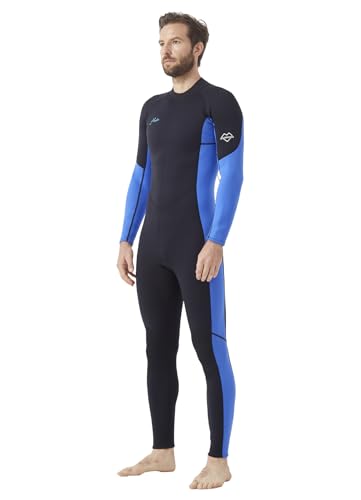
- 3/2mm construction balances warmth and mobility
- Full coverage for surfing, swimming, and paddling
- Back zip with extended pull cord
Best For: Cool-water ocean activities and active recreational use
Flexible Cold-Water Choice
Lemorecn Men’s 4/3mm Chest-Zip Wetsuit

- 4/3mm build rated to 51°F
- SuperStretch neoprene supports movement
- GBS and taped seams help reduce water entry
Best For: Cold-water surfing with an emphasis on flexibility
Coldest-Water Insulation
Men’s 5/4mm Ultra-Stretch Wetsuit

- 5/4mm thickness rated to 44°F
- SuperStretch neoprene aids mobility
- GBS seams and interior tape support warmth
Best For: Colder-water surfing and diving
Entry-Level Flexibility
O'Neill Reactor-2 2mm Spring Wetsuit

- Lightweight 2mm shorty design
- Easy-entry back zip
- Flexible paddle zones and wind-resistant panels
Best For: Warm-water surfing, diving, paddling, and beach activities
Easy Front-Zip Coverage
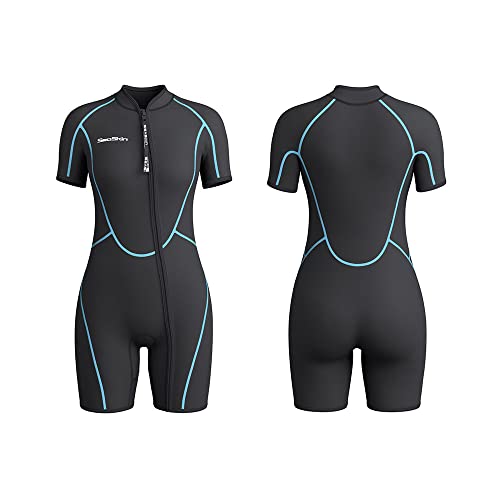
- Insulating 3mm neoprene blend
- Heavy-duty YKK front zipper
- Flat-lock seams for comfort
Best For: Recreational snorkeling, diving, surfing, and sea kayaking
Full-Body Water Protection
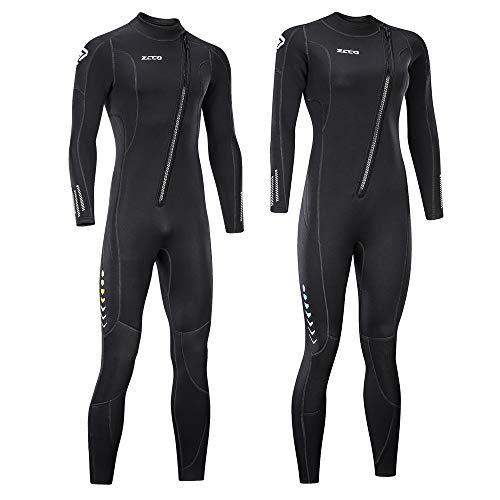
- Full-body 3mm neoprene coverage
- Waterstop seals reduce water entry
- Knee pads add abrasion protection
Best For: Snorkeling, scuba diving, swimming, and surfing requiring full coverage
Best Entry-Level Pick – O'Neill Reactor-2 3:2mm Full Wetsuit
For shoppers comparing wetsuits for ocean use, the O’Neill Reactor-2 offers lightweight 3:2mm neoprene, useful flexibility, and a back-zip design that simplifies changing. Its wind-resistant smoothskin panels add insulation for varied water activities.
Best For: Entry-level surfers, paddleboarders, kayakers, and beach users seeking versatile coverage and easy entry.
Pros:
- 3:2mm neoprene balances warmth and flexibility.
- Back zipper makes entry and exit straightforward.
- Seamless paddle zones support comfortable movement.
- Wind-resistant smoothskin provides additional insulation.
Cons:
- The supplied information lists only an X-Large size specification.
- Its 3mm thickness may provide less warmth than a thicker cold-water suit.
The Reactor-2 is a practical value-oriented option when mobility and easy changing matter more than maximum insulation. Confirm the size chart carefully before ordering.
Best Plus-Size Option – Seaskin 3mm Full Wetsuit
Among wetsuits for ocean use, the Seaskin 3mm full wetsuit stands out for its plus-size specification and broad water-sports coverage. The front zipper is designed to make entry and exit easier, while the full-body cut supports added coverage.
Best For: Adult swimmers, snorkelers, divers, surfers, and kayakers who need a larger full-wetsuit size.
Pros:
- 3mm neoprene provides full-body coverage.
- Front zipper is intended to simplify changing.
- Listed chest size reaches 52 inches in 6X-Large.
- Suitable for canoeing, sea kayaking, snorkeling, diving, surfing, and swimming.
Cons:
- The supplied listing identifies the sport type primarily as diving.
- Care requires handwashing, mild detergent, and flat drying.
This Seaskin model is worth considering when fit availability is the priority. Use the manufacturer’s size chart rather than relying only on the nominal size, and follow the stated hand-wash care routine.
Best Fit Variety – Hevto Men's 3:2mm Front-Zip Wetsuit
For wetsuits for ocean use that need adaptable sizing, the Hevto 3:2mm full wetsuit offers 16 size options, including regular, short, and tall fits. Its neoprene construction is designed for warmth, flexibility, wind protection, and coverage across multiple water activities.
Best For: Surfers, divers, snorkelers, kayakers, and paddleboarders who want more fit-length choices.
Pros:
- Offers 16 size options with regular, short, and tall fits.
- 3:2mm neoprene supports warmth and flexibility.
- Front zipper puller is designed for easier entry and exit.
- Suitable for surfing, diving, snorkeling, kayaking, and SUP.
Cons:
- The supplied details list the material as 90% neoprene and 10% nylon, rather than a fully neoprene shell.
- The listing includes a 90°F temperature rating, which may not describe every ocean condition.
The Hevto’s strongest advantage is sizing flexibility, especially for shoppers who do not fit standard proportions. Compare your measurements with the available chart and choose based on the intended water temperature and activity.
Best Cold-Water Warmth – O'Neill Epic 4:3mm Full Wetsuit
For colder conditions, the O’Neill Epic 4:3mm is a strong option among wetsuits for ocean use. It combines thicker neoprene with windproof smoothskin and FluidFlex Firewall panels, while glued and blindstitched seams and a sealed neck help limit water entry.
Best For: Surfers and other water-sports users seeking added warmth, durable construction, and full-body coverage.
Pros:
- 4:3mm construction provides more insulation than a 3mm suit.
- UltraFlex neoprene supports stretch across the shoulders, arms, and lower body.
- Glued and blindstitched seams, sealed neck, and hand-cuff sleeves help block water.
- Krypto Armor knee pads add abrasion protection, and a key pocket adds utility.
Cons:
- The thicker 4:3mm design may feel less lightweight than a thinner suit.
- The supplied sizing specification is Large Short, so fit availability should be checked.
- A back zipper is convenient but may not provide the same streamlined feel as a zipperless design.
The Epic is the most warmth-focused choice in this group, with useful durability details for regular sessions. Its snug fit is important for limiting water entry, so verify chest and length measurements before buying.
Balanced Warmth Pick – Hevto Men’s 3/2mm Full Wetsuit
For shoppers comparing wetsuits for ocean use, the Hevto 3/2mm suit balances core warmth with mobility. Its thicker torso, flexible 2mm panels, full coverage, and back-zip entry suit active swimming, surfing, snorkeling, and paddling in cool water.
Best For: Active water sports in cool water when you want full coverage and easier movement.
Pros:
- 3mm torso and 2mm movement panels balance warmth and flexibility.
- Long sleeves and full-length legs provide broad coverage.
- Back zipper includes an extended pull cord and securing hook-and-loop tab.
- Flatlock seams and reinforced knees support comfort and durability.
Cons:
- Back-zip designs may allow more water entry than a chest-zip suit.
- The listed 22.2°C temperature rating is aimed at cool rather than very cold conditions.
This is a versatile choice for recreational ocean activities, especially if straightforward entry and a balance of warmth and flexibility matter more than maximum cold-water insulation.
Flexible Cold-Water Choice – Lemorecn Men’s 4/3mm Chest-Zip Wetsuit
Among wetsuits for ocean use, the Lemorecn 4/3mm suit emphasizes warmth and flexibility for surfing in water down to the stated 51°F rating. SuperStretch neoprene, a chest zipper, and glued-and-blindstitched seams are designed for movement and reduced water entry.
Best For: Surfers seeking a warmer full suit with flexible construction and a chest-zip fit.
Pros:
- 4/3mm thickness is designed for water as cold as 51°F.
- SuperStretch neoprene supports a broad range of motion.
- Chest-zip opening can reduce water seepage down the back.
- Glued, blindstitched, and taped seams help limit water entry.
Cons:
- The chest-zip design may take more effort to put on than a back-zip suit.
- Care requires cold-water handwashing and flat air drying.
- A new-suit odor may be noticeable until the suit airs out.
The Lemorecn is a practical surf-focused option when warmth and arm mobility are priorities. Its 4/3mm build is more insulating than a lighter 3/2mm suit, while the stretch material helps offset the added thickness.
Coldest-Water Insulation – Men’s 5/4mm Ultra-Stretch Wetsuit
For colder ocean conditions, this 5/4mm full wetsuit provides more insulation than lighter suits and is rated for water as cold as 44°F. SuperStretch neoprene and glued-and-blindstitched seams aim to preserve mobility while reducing water entry during surfing or diving.
Best For: Surfers and divers who need substantial full-body insulation for colder water.
Pros:
- 5/4mm construction is designed for water as cold as 44°F.
- Ultra-stretch neoprene supports range of motion.
- GBS seams and interior tape dots help improve warmth and durability.
- Includes a key loop for added convenience in the water.
Cons:
- Thicker neoprene can feel less lightweight than a 3/2mm suit.
- Only a back-zip closure is identified in the supplied details.
- Cold-water care requires handwashing and flat air drying.
This suit is the insulation-oriented pick in the group. Choose it when the stated 44°F rating aligns with your conditions and maximum warmth is more important than the lighter feel of thinner neoprene.
Entry-Level Flexibility – O'Neill Reactor-2 2mm Spring Wetsuit
For shoppers comparing wetsuits for ocean use, the O’Neill Reactor-2 is a lightweight shorty designed for flexible movement across surfing, diving, paddle sports, and beach activities. Its back zip makes entry and exit straightforward, while the smoothskin panels add some wind protection.
Best For: Entry-level ocean activities and warm-water water sports where easy movement and simple changing matter.
Pros:
- 2mm construction offers lightweight warmth and flexibility.
- Back zip supports easy entry and exit.
- Seamless paddle zones help maximize mobility and comfort.
- Smoothskin material provides wind-resistant insulation.
Cons:
- Shorty form leaves more of the arms and legs uncovered than a full-body suit.
- The supplied details list a 2mm thickness, so it may be less suitable for colder water than thicker options.
This is a practical value-oriented choice for recreational ocean use, especially when mobility and easy dressing are higher priorities than maximum coverage.
Easy Front-Zip Coverage – Seaskin 3mm Shorty Wetsuit
The Seaskin 3mm Shorty is a useful option for wetsuits for ocean use when you want short-sleeve coverage with a thicker neoprene build. Its front YKK zipper simplifies entry, while flat-lock stitching and a three-layer fabric design support comfort during snorkeling, diving, kayaking, and related activities.
Best For: Recreational snorkeling, diving, surfing, swimming, sea kayaking, and other water sports requiring a shorty suit.
Pros:
- 3mm neoprene provides more insulation than a lightweight 2mm shorty.
- Heavy-duty YKK front zipper makes entry and exit easier.
- Flat-lock seams are designed for comfort and durability.
- Stretch fabric and close-fitting construction help retain body heat.
Cons:
- Short sleeves and short legs provide less coverage than a full-body wetsuit.
- The suit is intended to fit snugly, so careful sizing against the manufacturer chart is important.
- Care requires handwashing, cold water, mild detergent, and flat drying.
Choose this model if you prefer a warmer shorty format and front-zip convenience, while accepting that it does not provide the full coverage of a long-sleeve suit.
Full-Body Water Protection – Ultra Stretch 3mm Diving Suit
For wetsuits for ocean use that prioritize coverage, this 3mm full-body suit combines stretch neoprene with waterstop seals at the collar, arms, and legs. Its front-zip design, auxiliary zippers, and knee pads are geared toward snorkeling, scuba diving, swimming, and surfing.
Best For: Ocean activities where full-body coverage, flexible movement, and added knee protection are useful.
Pros:
- Full-body 3mm neoprene construction provides broad coverage and insulation.
- Ultra-stretch material supports movement and a closer fit.
- Waterstop seals help limit water entry around the collar, arms, and legs.
- Anti-abrasion knee pads add protection during water activities.
Cons:
- A close fit is important for warmth, which may make sizing more demanding.
- Full-body coverage can be less convenient to put on than a shorty design.
- The supplied listing identifies the model as a men’s black suit, despite the title mentioning men and women.
This is the strongest coverage-focused choice in the group, particularly for divers and snorkelers who value seals and knee protection alongside a flexible 3mm build.
How We Picked the Best Wetsuits for Ocean Use
We compared the selected suits by neoprene thickness, entry system, coverage, flexibility, intended activity, and likely temperature range. We also considered practical details such as back versus chest zippers, full-length versus short-leg designs, plus-size availability, and whether a suit is better suited to surfing, diving, paddling, or general water use.
Because fit has a major effect on warmth, these recommendations should be treated as starting points rather than substitutes for checking each manufacturer’s size chart. A well-fitting suit should feel close against the body without restricting breathing, shoulder movement, or circulation.
Quick Comparison
| Suit type | Typical use | Main advantage | Trade-off |
|---|---|---|---|
| 2mm spring suit | Warm water, surface sports | Maximum mobility | Limited insulation |
| 3mm full suit | Moderate water temperatures | Balanced warmth and flexibility | May be cool in colder seasons |
| 4/3mm full suit | Cooler ocean sessions | More insulation without excessive bulk | Less freedom than thinner suits |
| 5mm full suit | Cold-water diving and surfing | Strong heat retention | Heavier and more demanding to put on |
| 3mm shorty | Warm-water diving and swimming | Easy movement and simpler layering | Exposed arms and legs lose heat faster |
Key Buying Factors for Wetsuits for Ocean Use
Thickness and Water Temperature
Choose thickness based on the coldest conditions you expect, not only the air temperature. A 2mm or shorty suit works well for warmer water and active surface use. A 3mm full suit is a versatile choice for moderate conditions, while 4/3mm and 5mm suits are better for colder water. Gloves, boots, and a hood may still be necessary in very cold environments.
Fit, Stretch, and Comfort
Neoprene should sit smoothly against the skin with minimal gaps at the neck, wrists, and ankles. Super-stretch neoprene generally makes paddling and swimming easier, while thicker suits can feel more restrictive. Avoid sizing up excessively: loose folds allow water to circulate and reduce warmth.
Zipper Design and Coverage
Back zippers are usually easier to reach and can simplify changing. Chest zippers may provide a closer seal and reduce water entry, but they can take more effort to use. Full suits offer the most coverage; spring suits and shorties prioritize mobility and ventilation.
Activity and Construction
Surfers and kayakers often value shoulder flexibility, while divers may prioritize insulation, seals, and easy layering. Look for reinforced panels and durable seams if the suit will be used frequently around boards, rocks, or equipment.
Who Should Buy Which Wetsuits for Ocean Use?
- For warm-water surfing, paddling, or snorkeling: Choose the 2mm spring suit or a lightweight 3mm shorty.
- For general-purpose ocean use: A 3mm full suit offers a practical balance of warmth, coverage, and mobility.
- For cooler surfing and diving: Select a 4/3mm full suit, especially if you spend long periods in the water.
- For cold-water sessions: A 5mm full suit is the stronger starting point, potentially paired with a hood, gloves, and boots.
- For easier entry or changing: Consider a back-zip model; for a closer seal and streamlined feel, consider a chest-zip design.
- For broader sizing needs: Check the Seaskin options and compare precise chest, waist, hip, and height measurements before ordering.