Cold water demands more than a basic swimsuit. The right wetsuit balances neoprene thickness, seal quality, flexibility, and fit so you can stay warmer and move comfortably in the water.
We’ve selected 10 options spanning lightweight 2mm and 3/2mm suits, warmer 5/4mm designs, and heavy-duty 7mm models for surfing, diving, kayaking, snorkeling, and swimming.
Best 10 Wetsuits for Cold Water Picks for 2026
Flexible Front-Zip Pick

- 3/2mm neoprene balances warmth and flexibility
- Front zipper supports easier entry and exit
- 16 size options include regular, short, and tall fits
Best For: Versatile recreational water sports
Maximum Insulation Choice

- 5mm SCR neoprene emphasizes warmth in cold water
- UPF 50+ coverage and thickened knee pads add protection
- YKK front zipper supports easier self-dressing
Best For: Colder, longer water sessions
Easy-Entry Value Option

- 2mm stretchable neoprene provides lightweight insulation
- Front zipper simplifies entry and exit
- Full-body design supports multiple water sports
Best For: Moderately cool-water recreation
Rear-Zip Mobility Pick
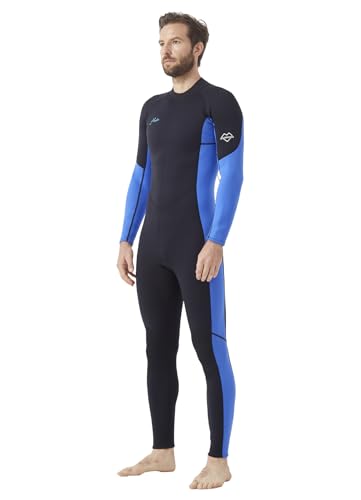
- 3mm torso and 2mm panels balance warmth and mobility
- Extended rear-zip pull cord aids self-dressing
- Flatlock seams and reinforced knees add practical comfort
Best For: Active cool-water swimming and paddling
Warm-Weather Water Sports Pick
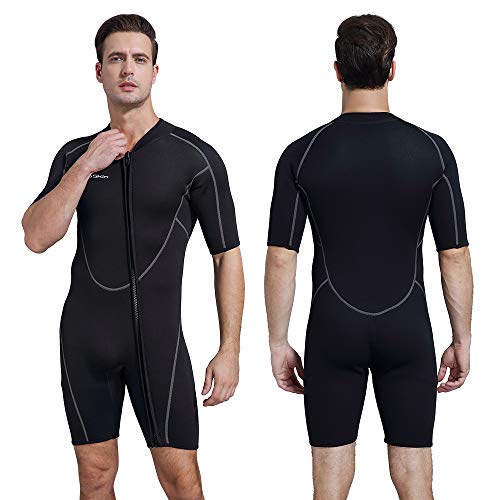
- Three-layer neoprene and nylon construction
- Front zipper for easier entry
- Shorty design supports mobility
Best For: Water aerobics, snorkeling, swimming, and moderate insulation
Versatile Entry-Level Pick
O'Neill Reactor-2 3:2mm Full Wetsuit

- 3:2mm construction for lightweight warmth
- Flexible neoprene and paddle zones
- Easy-entry water-resistant back zipper
Best For: Surfing, paddleboarding, kayaking, and general water activities
Deep-Cold Coverage Pick

- 7mm thickness for water below 53.6°F
- Full-body and long-sleeve coverage
- Front zipper with long pull strap
Best For: Cold-water snorkeling, scuba diving, swimming, and surfing
Best for Durable Versatility
Lemorecn Men's 3/2mm Full Wetsuit

- 3mm body targets water temperatures of 55°F and above
- 2mm sleeves support flexibility
- Reinforced knees and YKK zipper for active use
Best For: Men participating in diving, surfing, snorkeling, swimming, or kayaking
Flexible Front-Zip Pick – Hevto 3/2mm Men's Wetsuit
For shoppers comparing wetsuits for cold water, the Hevto 3/2mm full suit offers a practical balance of insulation, coverage, and flexibility. Its front zipper is designed for easier entry and exit, while the full-body design suits a range of recreational water sports.
Best For: Adults who want one versatile wetsuit for swimming, surfing, snorkeling, diving, kayaking, paddleboarding, or jet skiing.
Pros:
- 3/2mm neoprene provides warmth while supporting comfortable movement.
- Front zipper puller helps simplify dressing and removal.
- Long sleeves and full-body coverage help protect against wind, sunburn, and scratches.
- Available in 16 size options, including regular, short, and tall fits.
Cons:
- Its 3mm thickness may offer less insulation than a heavier 5mm suit.
- The supplied details list a temperature rating of 90°F, so temperature suitability should be checked carefully.
This is a flexible all-around option for active users who prioritize mobility and easy entry. Check the size chart closely to choose the intended fit.
Maximum Insulation Choice – Lansru 5/4mm Men's Wetsuit
Among wetsuits for cold water, the Lansru 5/4mm full suit is aimed at users who want substantial insulation and full-body coverage. Its thicker SCR neoprene, stretch panels, and protective features make it suited to longer sessions in colder conditions.
Best For: Adults seeking a warmer full wetsuit for swimming, surfing, snorkeling, diving, paddleboarding, or kayaking.
Pros:
- 5mm SCR neoprene is designed to provide strong insulation and a close fit.
- 4mm high-elasticity neoprene at the neck and limbs supports movement.
- Thickened knee pads add protection during active water sports.
- YKK front zipper and abrasion-resistant nylon outer fabric support usability and durability.
Cons:
- The thicker construction may feel tighter and less lightweight than thinner suits.
- The manufacturer notes that a new suit may have a slight smell.
- Only a large navy configuration is represented in the supplied details.
This is the strongest insulation-focused choice in the group, particularly for users who value warmth and protective coverage over a lighter feel. Expect a snug initial fit and use the sizing guidance carefully.
Easy-Entry Value Option – Seaskin 2mm Full-Body Wetsuit
The Seaskin 2mm full-body suit is a straightforward option for shoppers seeking wetsuits for cold water during moderate conditions and recreational activities. Its stretchable neoprene construction provides insulation, while the front zipper makes entry and exit less cumbersome.
Best For: Adults participating in canoeing, sea kayaking, snorkeling, diving, surfing, swimming, and similar water sports.
Pros:
- Stretchable neoprene is designed to provide heat insulation and mobility.
- Front zipper supports easier entry and removal.
- Long sleeves and full-body coverage suit a variety of water activities.
- Care instructions provide clear guidance for washing and drying.
Cons:
- At 2mm, it provides less insulation than the 3/2mm and 5/4mm alternatives.
- The supplied product details identify a women’s navy-blue medium configuration, which may limit availability by size or fit.
- Handwashing and flat drying require more care than machine-friendly gear.
This suit makes sense for users who want broad activity coverage and simple front-zip access without the bulk of a thicker design. It is better suited to moderately cool water than the coldest conditions.
Rear-Zip Mobility Pick – Hevto 3/2mm Back-Zip Wetsuit
For shoppers evaluating wetsuits for cold water, this Hevto 3/2mm model combines core insulation with thinner panels intended to make swimming, paddling, and kicking easier. Its rear zipper opens the upper body widely and includes an extended pull cord for self-dressing.
Best For: Adults who want a close-fitting full suit for swimming, surfing, snorkeling, diving, kayaking, or paddleboarding.
Pros:
- 3mm torso neoprene supports core warmth, while 2mm panels promote mobility.
- Long back zipper and pull cord help with entry and exit.
- Flatlock seams and reinforced knee panels add comfort and coverage.
- Full-length sleeves and legs provide coverage for cool-water activities.
Cons:
- Back-zip designs can be less convenient to operate than a front zipper for some users.
- Its 3/2mm construction may be less insulating than the 5/4mm option.
- The supplied details list a large, blue configuration, so availability should be checked.
This model is a good fit for active users who want a balanced combination of warmth and freedom of movement. Use height and chest measurements with the Hevto size chart, treating weight as an additional reference.
Warm-Weather Water Sports Pick – Seaskin 3mm Shorty Wetsuit
For shoppers comparing wetsuits for cold water, this Seaskin shorty offers 3mm neoprene insulation in a shorter, more flexible design. Its three-layer construction combines nylon, neoprene, and a soft close-skin lining, while the front zipper simplifies entry.
Best For: Water aerobics, snorkeling, swimming, and other water sports where moderate insulation and short sleeves are preferred.
Pros:
- Three-layer 90% neoprene and 10% nylon construction provides stretch and heat insulation.
- Front zipper makes the suit easier to put on and remove.
- Shorty form supports mobility for water sports and aerobics.
- Soft close-skin lining is designed for comfortable warmth.
Cons:
- Short sleeves and legs provide less coverage than a full-body suit.
- At 3mm, it is a lighter-insulation option than the 7mm suit in this roundup.
- Handwashing and flat drying are required for care.
This is a practical choice when you want some insulation without full-body coverage. For especially cold water, consider a thicker full suit instead.
Versatile Entry-Level Pick – O'Neill Reactor-2 3:2mm Full Wetsuit
Among wetsuits for cold water, the O’Neill Reactor-2 is a versatile entry-level option with a 3:2mm construction, long sleeves, and full-body coverage. Its ultra-stretch neoprene, back zipper, and flexible paddle zones are aimed at comfortable movement across several water activities.
Best For: Surfing, paddleboarding, kayaking, lake activities, diving, and beach days where flexibility and easy entry matter.
Pros:
- 3:2mm design balances lightweight warmth with flexibility.
- Water-resistant back-zip closure supports easier entry and exit.
- Seamless paddle zones help provide mobility and comfort.
- Wind-resistant Smoothskin adds insulation and cold protection.
Cons:
- It provides less thickness than a 7mm winter wetsuit.
- Back-zip designs may not offer the same front access as the other listed suits.
- Accurate sizing is important; the listed Large range is chest 40–44 inches and waist 32.5–35.5 inches.
This suit is a strong all-around option for buyers who want full coverage and good flexibility without moving to a heavier winter-weight design.
Deep-Cold Coverage Pick – 7mm Winter Neoprene Wetsuit
For particularly cold conditions, this 7mm full-body wetsuit is the thickest option in the group. The manufacturer describes it as suitable for water below 53.6°F, with full-length coverage, a front zipper, and stretch neoprene and nylon fabric for diving and other water sports.
Best For: Cold-water snorkeling, scuba diving, swimming, and surfing where maximum listed thickness and full-body coverage are priorities.
Pros:
- 7mm neoprene is designed for water below 53.6°F.
- Full-body, long-sleeve coverage helps protect against sunlight, stings, and sharp objects.
- Stretch fabric and four-thread flatlock stitching support flexibility and durability.
- Front zipper includes a long strap for easier operation.
Cons:
- The manufacturer notes that sizing runs smaller, so careful measurement is essential.
- Thicker construction may feel tight initially and can be less flexible than thinner suits.
- A temporary glue odor may be present when the suit arrives.
This is the most cold-focused choice here, especially for buyers who prioritize thick insulation and complete coverage. Pay close attention to weight-based sizing before ordering.
Best Value for Mild Cold Water – Dark Lightning 3/2mm Full Wetsuit
For shoppers comparing wetsuits for cold water, the Dark Lightning 3/2mm suit is designed for recreational use in approximately 58–68°F conditions. Its flexible neoprene construction supports comfortable movement for swimming, surfing, snorkeling, kayaking, and paddleboarding.
Best For: Recreational water sports in mild to cool water, especially users who prefer a simple full-body suit with an easy back zipper.
Pros:
- 3/2mm stretch neoprene balances warmth and flexibility.
- Back zipper and extended leash make entry and removal easier.
- Streamlined all-black design with minimal branding.
- Suitable for several recreational water activities.
Cons:
- Its 3mm thickness is intended for mild to cool water rather than the coldest conditions.
- The traditional back-zip design may allow less flexibility than some alternative zipper layouts.
The Dark Lightning is a practical option for casual swimmers and water-sports participants who need moderate insulation without an overly technical design. Check the updated size chart carefully before ordering.
Best for Durable Versatility – Lemorecn Men's 3/2mm Full Wetsuit
Among wetsuits for cold water, the Lemorecn 3/2mm model focuses on warmth, durability, and easy use in water temperatures of 55°F and above. Its 3mm body, 2mm sleeves, flatlock seams, and reinforced knees are suited to active diving, surfing, snorkeling, swimming, and kayaking.
Best For: Men seeking a versatile full wetsuit with reinforced knee protection, flexible sleeves, and features suited to repeated water-sports use.
Pros:
- 3mm neoprene body helps retain heat in water at 55°F and above.
- 2mm sleeves provide additional flexibility during movement.
- Anti-abrasion knee pads help protect against boards and rocky surfaces.
- YKK 10# zipper, adjustable Velcro, and UV 50+ protection add practical functionality.
Cons:
- The 3mm configuration is not positioned for the coldest water conditions.
- It requires hand washing and flat air drying for care.
This Lemorecn suit stands out when durability and multi-sport performance matter more than an ultra-light design. The contrasting black-and-blue styling and reinforced construction make it a useful choice for active users.
Best Full-Coverage Fit – Skyone 3mm Front-Zip Wetsuit
The Skyone 3mm full-body suit is one of the more adaptable wetsuits for cold water activities, offering thermal insulation, long-sleeve coverage, and a snug form-fitting profile. Its stretch neoprene and front zipper support movement across swimming, surfing, diving, snorkeling, kayaking, canoeing, and sailing.
Best For: Adults who want full coverage, a close-fitting thermal layer, and broad compatibility with recreational water sports.
Pros:
- 3mm neoprene provides thermal insulation and full-body coverage.
- Front zipper with draw cord supports easier entry and a secure fit.
- Flatlock stitching and high stretch are designed for comfort and durability.
- Offers UV protection and coverage against jellyfish and sea lice.
Cons:
- The suit is designed to fit very tightly when dry, so careful measuring is important.
- A 3mm thickness may be less suitable for especially cold water than thicker suits.
- Specific fit can vary, so chest, waist, and hip measurements should be compared with the size chart.
Skyone is a strong choice for buyers prioritizing coverage and a snug, low-drag fit across many water activities. Its broad size range and stated two-year manufacturer warranty add useful reassurance, but sizing should receive close attention.
How We Picked the Best Wetsuits for Cold Water
We focused on full-body and shorty wetsuits suited to cooler-water activities, comparing thickness options, neoprene construction, zipper placement, stated insulation features, and the range of sports each suit supports. We also considered whether a design is better suited to casual recreation, frequent surfing, snorkeling, or scuba diving.
Because warmth depends heavily on fit, we favored products with useful sizing information and practical entry systems. No wetsuit can perform properly if it is loose at the neck, wrists, ankles, or torso, so comfort and seal potential were treated as important as thickness.
Quick Comparison
| Thickness | Best For | Typical Advantages | Potential Trade-Offs |
|---|---|---|---|
| 2mm | Mildly cool water and active use | Lightweight and flexible | Limited insulation in very cold conditions |
| 3/2mm | General cold-water recreation | Balanced warmth and mobility | May need layering in colder water |
| 5/4mm | Colder surfing and diving | More thermal protection | Heavier and less flexible |
| 7mm | Very cold water and extended immersion | Maximum insulation among these options | Bulkier, warmer to put on, and more restrictive |
Key Buying Factors for Wetsuits for Cold Water
Thickness and Water Temperature
Thicker neoprene generally provides more warmth, but the best choice depends on water temperature, air temperature, activity level, and how long you stay immersed. A highly active paddler may tolerate a thinner suit than a diver spending extended time underwater. Check local conditions and the manufacturer’s temperature guidance before buying.
Fit, Seals, and Mobility
A close, wrinkle-free fit traps a thin layer of water that your body warms. Avoid excessive gaps at the chest, lower back, neck, wrists, and ankles. The suit should feel snug without restricting breathing, paddling, kicking, or shoulder movement. If between sizes, compare measurements rather than relying only on height or weight.
Zipper and Construction
Back zippers are often easier to use, while front zippers can offer convenient entry and may reduce water movement through the back. Flat seams, reinforced panels, and smooth interior linings can improve comfort. For colder conditions, prioritize construction that minimizes flushing and supports layering.
Activity and Accessories
Surfing and kayaking emphasize flexibility, while scuba diving may call for greater insulation and compatibility with gloves, boots, a hood, or a buoyancy compensator. Remember that a wetsuit is only one part of a cold-water system; exposed hands, feet, and head can still lose substantial heat.
Who Should Buy Which Wetsuits for Cold Water?
Choose a 2mm or shorty design for mild conditions, warm-weather water sports, and users who prioritize freedom of movement. A 3/2mm full suit is the most versatile starting point for recreational surfing, paddleboarding, kayaking, snorkeling, and swimming in moderately cold water.
Move to a 5/4mm suit when conditions are colder or sessions last longer. A 7mm suit is the better choice for very cold water and extended diving, provided you accept additional bulk and reduced flexibility. Whichever model you choose, confirm the size chart, intended temperature range, and whether you need separate boots, gloves, or a hood before ordering.