Rocky rivers demand more from wading boots than ordinary traction. Uneven stones, slick surfaces, cold water, and long approaches all make stability, drainage, and foot protection essential.
We selected 10 standout options across felt, rubber, cleated, and interchangeable-sole designs to help you find the right balance of grip, durability, comfort, and value for your fishing conditions.
Best 10 Wading Boots for Rocky Rivers Picks for 2026
Best Value Starter

- Felt or cleated sole options
- Water-draining upper with protective caps
- Wide last and padded ankle collar
Best For: Budget-conscious anglers needing adaptable traction
Best Stud-Ready Design

- Includes removable wading studs
- Stiff reinforced midsole
- Reinforced toe and rubber heel
Best For: Anglers wanting adjustable traction on slick river surfaces
Best Interchangeable Sole System

- Includes felt and Kling-On rubber soles
- OmniTrax 3.0 interchangeable system
- Drainage channels help reduce retained water
Best For: Anglers adapting traction to changing river conditions
Best Rocky-Shore Support

- Felt or heavy-duty cleated options
- Micro-screen drainage ports
- Broad platform and ankle support
Best For: Anglers tackling rocky shores and varied river terrain
Hard-Sole Protection
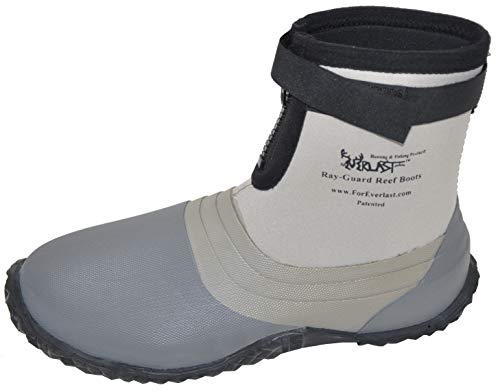
- Four-layer vulcanized rubber sole
- Drainage vent and grit-reducing SD system
- Ankle support with adjustable cuff and zipper
Best For: Rocky, uneven river bottoms and reef terrain
Lightweight Rock Grip
Korkers Chrome Lite Wading Boot

- Sticky Kling-On Rock rubber outsole
- BOA quick-adjust fit system
- Flexible 360-degree abrasion protection
Best For: Wet and dry rocky rivers where grip and agility matter
All-Day River Comfort

- Lightweight 1.3-pound-per-boot design
- Slip-resistant rubber tread for wet surfaces
- Drain ports, cushioning, and protective rands
Best For: Hiking to streams and comfortable everyday wading
Versatile River Traction
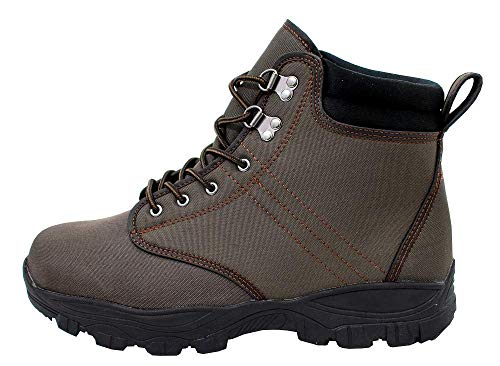
- Felt or lugged outsole options
- Water-draining nylon upper
- Padded collar and speed laces
Best For: Anglers seeking adaptable traction and comfortable ankle support
Stud-Ready Rocky River Grip
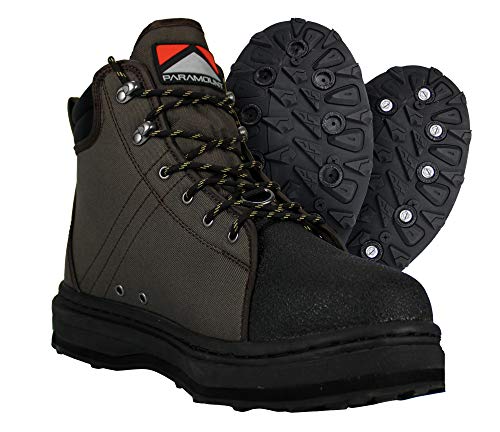
- Cleated rubber outsole with included steel studs
- Reinforced toe, heel, and midsole
- Designed for stockingfoot wader booties
Best For: Anglers needing customizable grip on slick rocks and muddy banks
Lightweight Drainage
BASSDASH Anti-Slip Wading Boots

- 44-ounce pair in size 8
- Grippy rubber sole with EVA midsole
- Drainage holes and quick-pull straps
Best For: Anglers wanting lightweight boots that are easy to drain and clean
Best Value Starter – FROGG TOGGS Hellbender
For anglers seeking wading boots for rocky rivers on a budget, the FROGG TOGGS Hellbender offers a choice of felt or cleated soles, water-draining construction, and protective toe and heel caps. Its wide wading last and padded ankle collar support a comfortable day on the water.
Best For: Budget-conscious anglers who want selectable traction for wet rocks, gravel, mud, and debris.
Pros:
- Available with felt or cleated soles for different fishing environments.
- Mesh and PVC upper helps drain water while toe and heel caps add protection.
- Polyurethane midsole, wide wading last, and padded ankle collar provide support.
- Speed laces with a locking clip allow a quick, secure fit.
Cons:
- The listed water-resistance level is not waterproof.
- Warranty coverage is limited to 60 days.
The Hellbender is a straightforward, affordable option with useful comfort features and two traction configurations. Choose the sole type according to local conditions and regulations.
Best Stud-Ready Design – Paramount Outdoors Deep Eddy
The Paramount Outdoors Deep Eddy is a practical choice for wading boots for rocky rivers, combining a reinforced toe and heel with a stiff midsole. Its recessed stud points and included removable studs are designed for traction on slick rocks and muddy banks.
Best For: Anglers who want adjustable traction and a firm platform for varied river bottoms.
Pros:
- Included removable wading studs fit recessed insert points.
- Reinforced toe cap and rubber heel support durability and easier removal.
- Stiff reinforced midsole provides a solid footbed while wading.
- Gravel-guard D-ring helps connect the boot to compatible waders.
Cons:
- The listed water-resistance level is not waterproof.
- It is listed as an ankle-high boot, which may offer less coverage than taller designs.
Deep Eddy stands out for its stud-ready outsole and supportive midsole. It is a sensible pick when traction customization matters more than waterproof construction.
Best Interchangeable Sole System – Korkers Greenback
The Korkers Greenback is a versatile option among wading boots for rocky rivers because it includes both plain felt and Kling-On sticky rubber soles. Its OmniTrax 3.0 system supports compatible accessory outsoles, while internal drainage channels help reduce retained water and weight.
Best For: Anglers who want to switch sole types for changing river conditions.
Pros:
- Includes felt and Kling-On sticky rubber soles.
- OmniTrax 3.0 allows compatibility with other Korkers 3.0 outsoles.
- Internal channels and midsole ports help water flow out of the boot.
- Hydrophobic materials are designed for faster drying.
Cons:
- Korkers recommends sizing up from a normal street-shoe size.
- The listed weight is 2 pounds 7 ounces per pair in size 9.
- Additional compatible outsoles may be needed for further sole choices.
Greenback is the strongest fit for anglers who prioritize a modular traction system. Its included sole pairing and drainage design add flexibility, but sizing should be checked carefully before purchase.
Best Rocky-Shore Support – FROGG TOGGS Deep Current
Built for demanding river access, the FROGG TOGGS Deep Current is designed for wading boots for rocky rivers, wet logs, rugged bottoms, and mud. It combines a broad platform, ankle support, protective toe and heel areas, and a choice of felt or heavy-duty rubber cleated outsoles.
Best For: Anglers navigating rocky shores and varied river terrain who want a supportive, durable boot.
Pros:
- Available with felt or heavy-duty rubber cleated outsoles.
- Micro-screen drainage ports let water out while limiting sand and grit entry.
- Toe and heel protection helps guard against stubs and sharp rocks.
- Broad platform and ankle support aid stability on uneven river bottoms.
Cons:
- The listed water-resistance level is not waterproof.
- Warranty coverage is limited to 60 days.
- The boot weighs 1.13 kg according to the supplied specifications.
Deep Current is a compelling choice for rougher approaches and uneven riverbeds, especially when stability and protection are priorities. Select felt or cleated rubber according to conditions and applicable state regulations.
Hard-Sole Protection – Ray-Guard Reef Boots
For wading boots for rocky rivers, the ForeverLast Ray-Guard Reef Boots emphasize protection and stability. Their four-layer vulcanized rubber sole, ankle support, and water-draining design suit uneven bottoms, reef structures, and other sharp underwater terrain.
Best For: Anglers who prioritize hard-soled protection and a secure fit in rocky or uneven water.
Pros:
- Four layers of vulcanized rubber help protect against sharp, uneven terrain.
- Hook-and-loop cuff closure plus a zipper supports a personalized fit.
- Inner-sole vent helps drain excess water, while the SD system helps keep grit out.
- Lightweight construction with ankle support.
Cons:
- Water-resistant rather than fully waterproof.
- More specialized for reef and river-bottom protection than general trail use.
The Ray-Guard is a practical choice when underfoot protection is the priority. Its drainage and grit-management features add useful comfort for repeated wet wading, though the ankle-high design may offer less coverage than taller boots.
Lightweight Rock Grip – Korkers Chrome Lite Wading Boot
The Korkers Chrome Lite is built for anglers seeking wading boots for rocky rivers with a sticky-rubber outsole. Its Kling-On Rock sole is designed for grip on wet and dry rock, while the BOA fit system and flexible protection support efficient movement.
Best For: River anglers who want lightweight rock traction, quick fit adjustment, and flexible protection.
Pros:
- Kling-On Rock outsole delivers grip on wet and dry rock.
- BOA M4 Fit System enables quick on/off and adjustable fit.
- 360-degree molded abrasion-resistant protection adds durability.
- Hydrophobic materials are designed for faster drying.
Cons:
- Xtra-Bite and other compatible cleats are sold separately.
- Listed as not water resistant.
- At about 4 pounds, it may feel heavier than ultralight alternatives.
This boot stands out for wet-rock traction and convenient fit adjustment. Consider the additional cleat cost if you want enhanced bite beyond the fixed Kling-On Rock sole, and plan for wader-compatible layering rather than relying on waterproofing.
All-Day River Comfort – Foxelli Wading Boots
Foxelli Wading Boots – Lightweight Fly Fishing Boots for Men, Rubber Sole Wading Shoes
Check Price On AmazonFoxelli wading boots combine a lightweight build with traction and drainage for anglers comparing wading boots for rocky rivers. Reinforced stitching, protective toe and heel rands, and slip-resistant rubber tread help handle riverbeds, gravel, and approaches along the bank.
Best For: Anglers who want lightweight boots for hiking to streams and wading with standard stockingfoot waders.
Pros:
- Rubber toe and heel rands plus an abrasion-resistant upper protect against rough terrain.
- Removable OrthoLite insoles and EVA midsoles help reduce fatigue.
- Slip-resistant tread channels water and debris on wet or uneven surfaces.
- Mesh drain ports release water, while the pull loop and lace hooks simplify entry.
Cons:
- Not insulated or fully waterproof.
- Designed to pair with neoprene booties rather than provide standalone cold-weather warmth.
- Thicker socks may require sizing up.
The Foxelli is a versatile option for long approaches and routine river wading, especially when low weight and cushioning matter. Its drainage-focused design is practical in wet conditions, but anglers facing cold water should plan on suitable wader socks or booties.
Versatile River Traction – Rana Elite Wading Boots
FROGG TOGGS Men's Rana Elite Waterproof Wading Boots for Fishing in Felt or Lugged Waders
Check Price On AmazonFor anglers comparing wading boots for rocky rivers, the FROGG TOGGS Rana Elite offers a choice of lugged or felt outsoles to suit different slippery surfaces. Its water-draining nylon upper, padded collar, and EVA midsole support comfortable movement in and around the river.
Best For: Anglers who want outsole options and a lightweight, supportive ankle-height boot.
Pros:
- Available with felt or lugged outsoles for traction preferences.
- Water-draining 1000-denier nylon upper helps keep the boot light and nimble.
- Padded collar, EVA midsole, and protective internal toe cap add comfort and support.
- Speed-lace system uses polymer loops and brass hooks for a secure fit.
Cons:
- Listed as not water resistant.
- Felt and lugged outsole performance depends on the river surface and conditions.
The Rana Elite is a practical option when traction flexibility and drainage matter more than waterproof construction. Choose the outsole style that best matches your usual river terrain.
Stud-Ready Rocky River Grip – Stonefly Cleated Wading Shoe
Paramount Outdoors Stonefly Cleated Sole Wading Boot, Rubber Bottom Wading Shoe (14)
Check Price On AmazonThe Paramount Outdoors Stonefly is built for anglers choosing wading boots for rocky rivers, slick rocks, and muddy banks. Its cleated rubber outsole accepts included steel studs, while the reinforced toe, heel, and midsole provide added protection around demanding river terrain.
Best For: Stockingfoot wader users who need configurable traction and reinforced protection in moving water.
Pros:
- Cleated rubber outsole includes recessed points for steel wading studs.
- Steel studs are included and can be used with or without installation.
- Rock Jam toe cap and reinforced midsole help protect against impacts.
- Padded collar, heel pull, and gravel-guard attachment point improve usability.
Cons:
- Designed to be worn with stockingfoot wader booties.
- Listed as not water resistant.
- Stud installation adds an extra setup decision before use.
For rocky or muddy river access, the Stonefly stands out for its included stud system and protective construction. It is especially suited to anglers already using stockingfoot waders.
Lightweight Drainage – BASSDASH Anti-Slip Wading Boots
BASSDASH Men’s Wading Boots Lightweight Anti-Slip Rubber Sole Fly Fishing Wading Shoes
Check Price On AmazonFor anglers seeking wading boots for rocky rivers without excess bulk, the BASSDASH model combines a lightweight construction with a grippy rubber outsole and EVA midsole. Integrated drainage holes, pull straps, and hydrophobic materials are designed to make river use and post-trip care more convenient.
Best For: Anglers prioritizing lightweight support, drainage, and easy cleanup.
Pros:
- Lightweight design weighs 44 ounces per pair in size 8.
- Rubber outsole and shock-absorbing EVA midsole provide grip and support.
- Integrated drainage holes help water leave the boot.
- Pull straps, padded ankle collar, and long laces improve handling and fit.
Cons:
- Fit requires checking the supplied size guide before purchase.
- Care instructions recommend air drying and avoiding prolonged sun or direct heat.
- Rubber and EVA construction may not suit anglers specifically seeking felt soles.
The BASSDASH is a sensible choice when low weight and drainage are priorities. Its rubber sole and reinforced construction offer a practical balance for active wading and routine river use.
How We Picked the Best Wading Boots for Rocky Rivers
We focused on the features that matter most when crossing uneven riverbeds: outsole traction, ankle support, upper durability, water management, fit, and overall versatility. The lineup includes boots with felt or cleated soles for slick rocks, rubber soles for mixed terrain and travel, and interchangeable systems for anglers who fish in changing conditions.
We also considered practical factors such as boot weight, ease of putting them on, compatibility with stockingfoot waders, and whether the design suits frequent use or occasional trips. No single sole works everywhere, so the best choice depends on local regulations, river conditions, and how often you move between water and trail.
Quick Comparison
| Boot type | Best suited for | Main advantage |
|---|---|---|
| Felt sole | Slick, algae-covered rocks | Strong grip on wet rock |
| Cleated sole | Mixed rocky riverbeds | Added bite and stability |
| Rubber sole | Trails, gravel, and varied terrain | Versatile and often easier to clean |
| Interchangeable sole | Changing environments | Adaptable traction options |
Key Buying Factors for Wading Boots for Rocky Rivers
Traction and Sole Type
Choose felt when slippery, smooth rocks are your primary concern, but check local restrictions before buying. Cleated soles can provide more bite on rugged riverbeds, while rubber soles are typically more versatile on trails and dry ground. Interchangeable soles offer flexibility but may add weight or require more maintenance.
Support and Protection
Look for a structured upper, secure ankle fit, and a firm toe and heel area. Rocky rivers can twist the foot or catch exposed toes, so protection is more important than a lightweight sneaker-like feel. A stable midsole also helps reduce fatigue during long wades.
Fit with Waders
Wading boots are designed to accommodate neoprene stockingfeet, so size them with your waders rather than regular socks. Allow enough room for your toes to move without letting the heel lift excessively. A dependable lacing or closure system helps maintain a secure fit in current.
Weight, Drainage, and Durability
Lightweight boots are comfortable on long approaches, but very light construction may provide less protection. Drainage helps prevent waterlogged footwear, while reinforced stitching, toe caps, and abrasion-resistant materials improve service life. Rinse boots after use and dry them thoroughly to reduce odor and material wear.
Who Should Buy Which Wading Boots for Rocky Rivers?
Choose felt soles if your fishing is concentrated on slick, wet rock and regulations permit felt. Choose cleated soles if you need aggressive traction on irregular riverbeds or want extra grip in current. Choose rubber soles for a more versatile boot that handles trails, gravel, and mixed surfaces. Choose interchangeable soles if you regularly fish different rivers and want to adjust traction without buying multiple pairs.
For frequent anglers, prioritize support, reinforced construction, and a secure wader-compatible fit. For occasional anglers, a lighter and more affordable rubber or cleated boot may offer the best balance of convenience and value.