The best wading boots for hiking need to do more than keep your feet protected in the water. They should provide dependable traction, ankle support, and all-day comfort on uneven approaches, slippery banks, and rocky streambeds.
We’ve gathered 10 options with different sole designs, materials, fits, and intended uses so you can choose a pair that matches your terrain, fishing style, and budget.
Best 10 Wading Boots for Hiking Picks for 2026
Best Value Versatility

- Felt or cleated sole options
- Water-draining mesh and PVC upper
- Cushioned, supportive ankle-height fit
Best For: Mixed wet terrain and full-day fishing
Best Interchangeable Traction
Korkers Greenback Wading Boots

- Felt and Kling-On soles included
- OmniTrax 3.0 interchangeable system
- Channels and ports help drain water
Best For: Variable conditions and adjustable traction
Best Waterproof Coverage

- Waterproof mid-calf construction
- Reinforced toe and heel
- Cleat-compatible rubber outsole
Best For: Wet conditions requiring greater coverage
Best Women's Felt Option
FROGG TOGGS Women's Hellbender

- Felt traction for wet terrain
- Water-draining lightweight upper
- Cushioned fit with padded collar
Best For: Women fishing on wet rocks and gravel
Lightweight Trail-to-River Pick

- Lightweight design with OrthoLite and EVA cushioning
- Protective rubber toe and heel rand
- Draining, slip-resistant build for wet terrain
Best For: Hikers and anglers seeking flexible boots for trails and river access
Rocky-Water Support Pick

- Available with cleated rubber or felt outsole
- Ankle support and broad platform for rough terrain
- Draining ports and toe-and-heel protection
Best For: Anglers tackling rocky shores, river bottoms, logs, and mud
Adjustable Fit Pick
8 Fans Rubber Sole Wading Boots

- Rotating buckle fine-tunes the fit
- Fast-draining mesh holes help keep debris out
- Raised rubber tread grips wet, uneven surfaces
Best For: Users wanting adjustable fit and rubber-soled traction
Versatile Traction

- Interchangeable felt and Kling-On soles
- BOA M2 quick-adjust closure
- Drainage channels help shed water
Best For: Anglers facing varied river conditions
Sand-Ready Comfort
FROGG TOGGS Aransas II Wading Boot
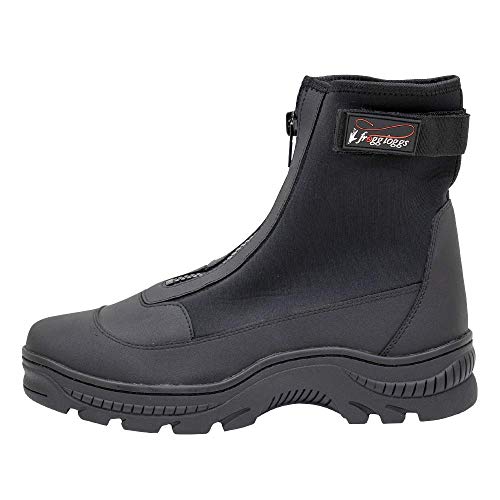
- 5mm neoprene shell with snug fit
- Cleated rubber outsole for traction
- Gusseted zipper helps keep grit out
Best For: Surf and sand fishing access
Rocky-River Protection
Paramount Outdoors Stonefly Wading Shoe
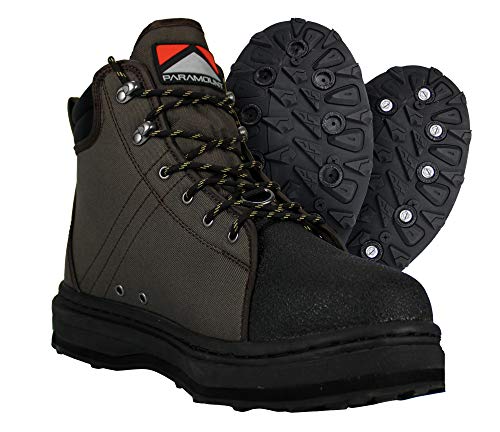
- Cleated outsole accepts included steel studs
- Reinforced toe and stiff midsole
- Designed for stockingfoot wader booties
Best For: Rocky and muddy river approaches
Best Value Versatility – FROGG TOGGS Men's Hellbender
The FROGG TOGGS Men’s Hellbender is a practical option for hikers and anglers seeking wading boots for hiking with a choice of felt or cleated soles. Its water-draining construction, cushioned midsole, and supportive ankle-height design suit full days around wet, uneven terrain.
Best For: Anglers and hikers who want selectable traction for wet rocks, gravel, mud, and debris.
Pros:
- Available with felt or cleated soles for different fishing environments.
- Lightweight mesh and PVC upper helps drain water and includes reinforced toe and heel caps.
- Polyurethane midsole, wide wading last, padded collar, and speed laces support comfort and stability.
Cons:
- Listed as not water resistant.
- Ankle-height shaft offers less coverage than taller wading boots.
- Only a 60-day manufacturer warranty is listed.
With its traction choice and comfort-focused fit, the Hellbender offers useful flexibility for mixed wet-terrain outings, though it is better suited to water-draining conditions than waterproofing.
Best Interchangeable Traction – Korkers Greenback Wading Boots
The Korkers Greenback is a flexible pick among wading boots for hiking, pairing included felt and Kling-On sticky rubber soles with the OmniTrax 3.0 interchangeable system. Internal drainage channels and hydrophobic materials are designed to reduce retained water and speed drying.
Best For: Anglers who want to switch traction systems and manage excess water after wading.
Pros:
- Includes plain felt and Kling-On sticky rubber soles.
- OmniTrax 3.0 system supports compatible accessory outsoles.
- Internal channels and midsole ports help remove water and weight.
- Hydrophobic materials support faster drying times.
Cons:
- At 2 pounds 7 ounces per pair in size 9, it may feel substantial on longer hikes.
- Korkers recommends ordering one size larger than a normal street shoe.
- Changing soles adds an extra setup step.
The Greenback stands out for adaptable traction and drainage, making it a strong choice when conditions vary, provided you account for its weight and sizing guidance.
Best Waterproof Coverage – Simms Men's Freestone Boot
Simms Men's Freestone Boot - Rubber Gunmetal 10 | Neoprene Lined, Lightweight, Scratch Resistant
Check Price On AmazonThe Simms Men’s Freestone Boot is a waterproof, mid-calf option for hikers looking for wading boots for hiking with more coverage than an ankle-height design. Its synthetic scratch-leather upper, reinforced toe and heel, and dual-density EVA midsole balance protection and underfoot comfort.
Best For: Hikers and anglers who prioritize waterproof construction and mid-calf coverage.
Pros:
- Waterproof upper with reinforced toe and heel areas.
- Partial neoprene lining supports comfort and easier on/off.
- Dual-density EVA midsole provides a comfortable ride.
- Rubber outsole is compatible with several Simms cleat and stud options.
Cons:
- At 1.92 kg, it is heavier than the lightweight Hellbender options listed here.
- Cleats and studs are compatible options but are not stated as included.
- Mid-calf coverage may feel less nimble than an ankle-height boot.
Choose the Freestone when waterproofing, protective construction, and taller coverage matter more than minimizing weight. Its outsole compatibility also leaves room to customize traction later.
Best Women's Felt Option – FROGG TOGGS Women's Hellbender
The FROGG TOGGS Women’s Hellbender is an ankle-height felt model for shoppers comparing wading boots for hiking in wet, rocky areas. It combines a water-draining mesh and PVC-style upper with a cushioned polyurethane midsole, padded collar, and supportive wide wading last.
Best For: Women seeking felt traction and a comfort-focused boot for wet rocks, gravel, mud, and debris.
Pros:
- Felt sole is designed for traction on wet rocks, gravel, mud, and debris.
- Lightweight mesh and polyurethane construction helps drain water.
- Reinforced toe and heel caps add protection.
- Wide wading last, padded ankle collar, and speed laces support comfort and fit.
Cons:
- Listed as not water resistant.
- Ankle-height design provides less coverage than the Simms mid-calf boot.
- This listing specifies a felt version rather than interchangeable soles.
The Women’s Hellbender is a straightforward choice when felt traction and a comfortable, supportive fit are priorities. It is best approached as a draining wading boot rather than a waterproof hiking boot.
Lightweight Trail-to-River Pick – Foxelli Wading Boots
Foxelli Wading Boots – Lightweight Fly Fishing Boots for Men, Rubber Sole Wading Shoes
Check Price On AmazonFor hikers comparing wading boots for hiking, the Foxelli Wading Boots balance low weight, trail comfort, and wet-surface traction. Their microfiber and breathable nylon upper, EVA midsole, removable OrthoLite insole, and water-draining mesh ports make them practical for hikes to streams and river crossings.
Best For: Hikers and anglers who want lightweight, flexible boots for trails, riverbeds, and moderate wet-weather use.
Pros:
- Lightweight at 1.3 pounds per boot, with cushioning from OrthoLite insoles and EVA midsoles.
- Reinforced stitching, rubber toe and heel protection, and an abrasion-resistant upper support rugged use.
- Slip-resistant rubber tread helps with mud, moss, slick rocks, and uneven trails.
- Mesh drain ports release water while helping limit debris entry.
Cons:
- They are not insulated or fully waterproof, so colder conditions may require thicker socks or neoprene booties.
- The standard fit may require sizing up for 4–5mm socks or heavy cold-weather layers.
Choose these when comfort and reduced bulk matter on approaches to the water. Their flexible construction is hiking-friendly, while the protective rubber details and traction provide useful support once you reach wet or uneven ground.
Rocky-Water Support Pick – FROGG TOGGS Deep Current
The FROGG TOGGS Deep Current is a sturdy option for shoppers seeking wading boots for hiking across rocky shores, rugged river bottoms, wet logs, and mud. It is available with either a rubber cleated outsole or felt, allowing you to select the traction style suited to your fishing environment and applicable regulations.
Best For: Anglers and hikers who prioritize ankle support, a broad platform, and durable protection on demanding wet terrain.
Pros:
- Choice of cleated rubber or felt outsole for different fishing environments and regulations.
- Water-draining micro-screen ports release water while helping keep sand and grit out.
- Toe and heel protection helps guard against stubs and sharp rocks.
- Large heel pull, durable laces, and lace-hook D-ring attachment simplify setup with gravel guards.
Cons:
- The listed water-resistance level is not water resistant.
- Felt and cleated soles may be restricted or unsuitable in some locations, so local regulations and conditions should be checked.
- Its heavier-duty construction may be less appealing if minimum weight is the priority.
The Deep Current stands out for technical footing and support rather than lightweight trail minimalism. Its broad platform, reinforced protection, and outsole choices make it a strong match for rough approaches and active wading where stability matters.
Adjustable Fit Pick – 8 Fans Rubber Sole Wading Boots
The 8 Fans Rubber Sole Wading Boots are a practical choice for wading boots for hiking when you want adjustable closure and straightforward wet-terrain traction. A rotating buckle helps fine-tune lace tightness, while drainage holes and a padded ankle collar support movement across rocks, gravel, mud, and debris.
Best For: Hikers and anglers who want a customizable lace fit and non-slip rubber soles for wet, uneven surfaces.
Pros:
- Rotating buckle provides flexible adjustment around different foot shapes.
- Large mesh drainage holes promote quick water release while helping block sand and debris.
- Raised rubber outsole patterns provide grip and help shed mud and debris.
- Padded ankle collar adds support and protection around rocks, logs, and muddy bottoms.
Cons:
- The listed water-resistance level is not water resistant.
- They use a rubber sole only, without the cleated-or-felt outsole choice offered by some alternatives.
- The sizing guidance specifically recommends a regular shoe size; ordering up may create a loose fit.
These boots make the most sense for users who value fit adjustment and easy drainage. The rubber outsole and padded collar address common wet-terrain concerns, while the regular-size guidance helps avoid an oversized fit with stockingfoot waders.
Versatile Traction – Korkers Darkhorse Wading Boot
KORKERS Darkhorse w/Felt & Kling-On Soles, Color: Black/Gunmetal, Size: 11 (FB4710-11)
Check Price On AmazonIf you need wading boots for hiking that can adapt to changing river conditions, the Korkers Darkhorse stands out for its interchangeable traction system. Its BOA M2 closure, water-shedding design, and Achilles stabilization add practical benefits for anglers moving between water and shore.
Best For: Anglers who want interchangeable felt and Kling-On soles for varied fishing terrain.
Pros:
- OmniTrax system lets you switch between included felt and Kling-On soles.
- BOA M2 lacing provides quick entry and adjustable fit.
- Internal drainage channels and midsole ports help remove excess water and weight.
- Hydrophobic, abrasion-resistant upper supports use in demanding conditions.
Cons:
- At approximately 4 pounds, it is relatively substantial for hiking-focused footwear.
- The interchangeable sole system may require more setup than a fixed outsole.
The Darkhorse is a feature-rich choice when traction flexibility matters more than minimizing boot weight. Its construction is especially suited to anglers who regularly encounter different river surfaces.
Sand-Ready Comfort – FROGG TOGGS Aransas II Wading Boot
For wading boots for hiking around sandy shorelines and rocky water access points, the FROGG TOGGS Aransas II emphasizes protection and comfort. Its 5mm neoprene shell, cleated rubber outsole, and gusseted zipper are designed to support secure footing while helping keep grit out.
Best For: Shore and surf anglers who prioritize cushioning, traction, and sand resistance.
Pros:
- Cleated one-piece rubber outsole provides traction.
- 5mm neoprene shell offers a snug fit and insulation-like coverage.
- Reinforced toe and heel caps help protect against rocky surfaces.
- EVA midsole and athletic outsole provide cushioning for extended wear.
Cons:
- The listed water-resistance level is not water resistant.
- Zip closure may offer less fit customization than a lace-up design.
- Its surf-and-sand focus may be less versatile for varied hiking terrain.
The Aransas II is a practical option for beach and shoreline use, particularly when sand management and underfoot comfort are priorities. The cleated outsole adds useful traction, while the zipper and ankle strap simplify fit adjustments.
Rocky-River Protection – Paramount Outdoors Stonefly Wading Shoe
Paramount Outdoors Stonefly Cleated Sole Wading Boot, Rubber Bottom Wading Shoe (11)
Check Price On AmazonThe Paramount Outdoors Stonefly is a hiking-boot-style option for anglers who need wading boots for hiking over slick rocks and muddy riverbanks. Its cleated rubber outsole accepts included steel studs, while the reinforced toe, midsole, and heel support repeated movement along the river.
Best For: Fly fishers using stockingfoot waders on rocky or muddy river terrain.
Pros:
- Cleated outsole and included steel studs provide adaptable traction.
- Reinforced Rock Jam toe cap and stiff midsole improve protection.
- Padded collar and reinforced heel pull support comfort and easier removal.
- Gravel-guard D-ring helps secure compatible wader protection.
Cons:
- Designed to be worn with stockingfoot wader booties, limiting standalone use.
- The listed water-resistance level is not water resistant.
- Studded traction may be unnecessary on surfaces where metal studs are unsuitable.
The Stonefly focuses on stability and durability rather than lightweight casual hiking. Its included studs and reinforced structure make it a strong fit for technical river approaches when used with stockingfoot waders.
How We Picked These Wading Boots for Hiking
We focused on boots that balance water-ready construction with the support and durability required for walking trails and river approaches. The selection includes rubber, felt, cleated, and interchangeable-sole designs, along with options for men and women and models suited to different budgets.
We also considered practical details such as ankle stability, sole traction, closure systems, expected drying needs, weight, and compatibility with waders. Because conditions vary widely, no single boot is ideal for every angler or hiking route.
Quick Comparison
- Best versatility: Interchangeable-sole Korkers models let you adapt traction to changing surfaces.
- Best for general use: Rubber-soled boots are a practical choice for mixed trails, packed ground, and areas where felt is restricted.
- Best for slick rock: Felt or cleated soles can offer extra grip, depending on local regulations and terrain.
- Best for lighter approaches: Lightweight designs reduce fatigue during longer walks.
- Best for cold or wet conditions: Neoprene-lined and heavily constructed boots may provide more insulation and protection.
Key Buying Factors for Wading Boots for Hiking
Sole Type and Traction
Rubber soles are versatile and easier to clean, while felt can grip smooth, wet rocks effectively where permitted. Cleated soles add bite on loose or slippery surfaces but may be louder and less comfortable on hard trails. Check local rules before choosing felt, since some waterways prohibit it to reduce the spread of aquatic organisms.
Fit and Wader Compatibility
Try boots with the socks and wader booties you expect to wear. The fit should be snug around the heel and ankle without compressing your toes. Excess space can cause blisters and reduce control, while an overly tight fit can restrict circulation and make long hikes uncomfortable.
Support, Weight, and Durability
Look for a firm midsole, secure lacing or buckle system, and enough ankle structure for uneven banks. Heavier boots often provide more protection, but lighter models can be preferable for long approaches. Reinforced uppers and protected toe areas are valuable when walking through brush, gravel, and submerged obstacles.
Drying and Maintenance
Wading boots should be rinsed after use and dried thoroughly away from excessive heat. Materials and sole designs affect drying time, so consider your storage setup and how often you fish. Interchangeable soles also require regular inspection to ensure they remain securely attached.
Who Should Buy Which Wading Boots for Hiking?
Choose a rubber-soled model if you want one pair for varied trails, everyday fishing, and simpler maintenance. Choose felt or cleated traction if your regular waters contain slick rock and that sole type is legal locally. Choose interchangeable soles if you frequently move between rocky streams, muddy banks, and hiking trails. Choose a lighter boot for long walks and warm-weather use, while choosing a more insulated or heavily built design for cold water, surf, sand, or demanding conditions.
Before ordering, confirm sizing, sole restrictions, wader compatibility, and return policies. A secure fit and appropriate traction matter more than adding features you will not use.