Backpacking power should be simple: light to carry, tough enough for the trail, and capable of keeping your phone, headlamp, or GPS topped up when outlets are far away.
These portable solar panels for backpacking focus on real-world priorities like packability, charging speed, port selection, and weather resistance so you can choose the right setup fast.
Best 10 Portable Solar Panels for Backpacking Picks for 2026
Ultra-Efficient Everyday Charger
BigBlue 28W Dual USB-C/USB-A Solar Panel

- 25.4% conversion efficiency
- Dual USB-C plus USB-A outputs
- 1.5 lb foldable backpack-friendly design
Best For: Backpackers who want a compact solar charger for small USB devices
Featherlight Pocket Panel
ELECAENTA 25W HPBC Pocket Solar Panel

- Only 0.9 lbs and backpack-friendly
- 25.4% HPBC efficiency
- IP68 waterproof ETFE build
Best For: Ultralight backpackers who want the lightest practical USB solar panel
Durable Trail Companion
ELECOM NESTOUT 28W Foldable Solar Panel

- Up to 24% efficiency with MAXEON cells
- Adjustable stands improve sun aiming
- Water-resistant ripstop nylon build
Best For: Backpackers who value durability and easy panel positioning in camp
Fast-Charging Power Pick
BigBlue 35W PD 25W Solar Charger

- 35W output with PD 25W USB-C
- Dual parallel circuits help in shade
- 1.54 lb compact foldable design
Best For: Backpackers who want faster USB charging from a compact panel
Ultra-Light Power Pick

- Up to 36W max output
- Weighs just 1.48 lbs
- IP67 weatherproof for outdoors
Best For: Backpackers wanting the strongest direct-charging option here
Budget Trail Charger

- Only 0.99 lbs for easy carry
- USB-A output for small devices
- IP67 panel with included carabiners
Best For: Lightweight trips with small-device charging needs
Pocket-Size Dual-Port Choice
BigBlue 25W Solar Panel Charger

- Just 0.84 lbs and pocket-size folded
- USB-A and USB-C ports for two devices
- Up to 25.4% conversion efficiency
Best For: Backpackers wanting a compact dual-port charger
Ultralight 40W All-Rounder
FlexSolar 40W Foldable Solar Panel Charger

- 40W panel with USB-A, USB-C, and DC outputs
- Weighs 1.76 lb and folds to a compact size
- 24% conversion rate with IP67 weather resistance
Best For: Backpackers needing a versatile portable panel for multiple devices
Mini Pack-Friendly Charger
FlexSolar 25W Portable Solar Panel Charger

- Folds to 7.7 x 5.1 inches and weighs 1.2 lb
- USB-A and USB-C ports can charge two devices
- MPPT tech and IP67 rating suit trail use
Best For: Minimalist backpackers who want a compact USB solar charger
Simple Trail Classic
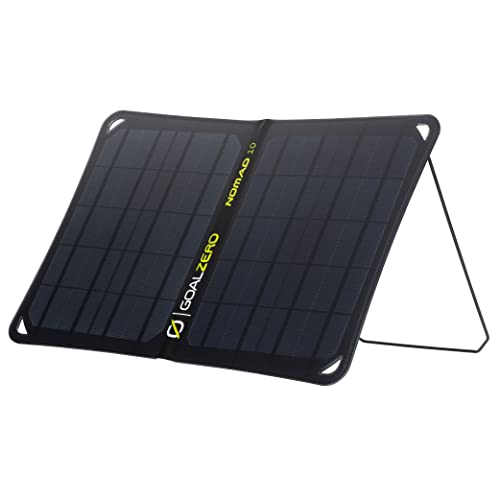
- 10W monocrystalline panel with built-in USB port
- Weighs 1.2 lb and folds into a compact size
- Includes a 180° kickstand and backpack hook
Best For: Trail users wanting a simple, lightweight USB solar panel
Ultra-Efficient Everyday Charger – BigBlue 28W Dual USB-C/USB-A Solar Panel
For backpacking, the BigBlue 28W portable solar panel is a solid pick if you want a lightweight charger that can keep phones, power banks, GPS units, and small electronics topped up in direct sun. Its foldable design and high conversion efficiency make it practical when you need portable solar panels for backpacking without carrying a bulky setup.
Best For: Hikers and backpackers who want a compact, easy-to-use solar charger for charging small USB devices in camp.
Pros:
- 25.4% conversion efficiency with N-type cells for strong output in good sunlight.
- Dual USB-C plus USB-A ports support charging multiple devices at once.
- Very packable at 11 x 6 x 1.4 inches and 1.5 lbs.
- IP44 water resistance and a durable polymer surface help it handle outdoor use.
Cons:
- It cannot store power and must be used in direct sunlight.
- The USB junction box is not waterproof.
- Not designed for laptops or large power stations.
Overall, this model fits the backpacking use case well if your priority is a compact panel for phone-class devices and you can position it in steady sun. It is best treated as a direct-charging field tool rather than a full off-grid power source.
Featherlight Pocket Panel – ELECAENTA 25W HPBC Pocket Solar Panel
The ELECAENTA 25W is built for travelers who want portable solar panels for backpacking with the smallest possible pack weight. At just 0.9 lbs, it is easy to slip into a backpack, and its HPBC cells are designed to deliver efficient charging even in low light and hot conditions.
Best For: Ultralight backpackers who want a pocket-size solar panel for phones, tablets, action cameras, and other USB gear.
Pros:
- Only 0.9 lbs, making it one of the easiest panels to carry on trail.
- 25.4% conversion efficiency with HPBC cells for strong performance.
- USB-C and USB-A ports let you charge two devices at once.
- IP68 waterproof, dustproof, and self-cleaning ETFE laminate improves durability.
Cons:
- Output is limited to 5V/3A, so it is aimed at small devices.
- Like other direct solar chargers, it is best used in good sunlight.
This is a strong option if weight matters more than everything else. It gives backpackers an efficient, highly portable panel that is easy to pack and rugged enough for frequent outdoor use.
Durable Trail Companion – ELECOM NESTOUT 28W Foldable Solar Panel
For backpacking trips where durability and setup flexibility matter, the ELECOM NESTOUT 28W stands out as a well-built solar option. It uses high-efficiency SunPower MAXEON cells, foldable construction, and adjustable stands, making it a practical choice among portable solar panels for backpacking when you want dependable charging in camp.
Best For: Campers and backpackers who want a rugged, water-resistant panel with adjustable positioning and device compatibility for everyday USB gear.
Pros:
- SunPower MAXEON cells offer up to a 24% efficiency gain over traditional cells.
- Two adjustable stands help you angle the panel toward the sun.
- Dual USB-A ports support phones, tablets, earbuds, and other small devices.
- Water-resistant ripstop nylon and exterior hooks add outdoor-friendly durability.
Cons:
- Uses USB-A only, so USB-C charging is not built in.
- At 771 g, it is not the lightest option for ultralight pack lists.
If you want a panel that feels purpose-built for outdoor use, this one is easy to recommend. The stands, current checker, and rugged materials make it more versatile in camp than basic flat panels.
Fast-Charging Power Pick – BigBlue 35W PD 25W Solar Charger
The BigBlue 35W is a strong fit for backpacking when you want faster USB charging from a compact foldable panel. Its mix of USB-A, dual USB-C ports, high efficiency, and parallel circuit design makes it one of the more capable portable solar panels for backpacking for users who carry phones, tablets, cameras, GPS units, and power banks.
Best For: Backpackers who want a compact solar panel with faster charging support for modern USB devices.
Pros:
- 35W output with 25.4% conversion efficiency for strong solar performance.
- USB-C PD 25W and USB-A QC 18W support faster charging.
- Dual parallel circuit design helps keep charging even if part of the panel is shaded.
- Foldable to 8.29 x 4.84 x 1.89 inches and weighs only 1.54 lbs.
Cons:
- Type-C1 is not compatible with Apple devices.
- It still requires direct sunlight and does not store power.
- The USB junction box is not waterproof.
This is the most feature-rich option in the group if speed and versatility matter. It is especially appealing for backpackers who want a compact panel that can charge modern devices a bit more quickly in the field.
Ultra-Light Power Pick – 40W Solar Panel Charger
If you want portable solar panels for backpacking that can do more than trickle-charge a phone, this 40W foldable panel is built for direct, on-trail use. It’s designed to be light enough for a pack, weather-ready for rough conditions, and compatible with everyday small electronics through USB-C and USB-A.
Best For: Backpackers who want the highest output in this group and don’t need built-in battery storage.
Pros:
- Up to 36W max output from a 40W panel for faster direct charging
- Very light at 1.48 lbs and foldable for easy backpack carry
- USB-C port plus USB-A adapter included for broad device compatibility
- IP67 weatherproofing helps it handle rain, splashes, mud, and sand
Cons:
- Requires direct sunlight to perform well
- No built-in battery for storing power
- Less ideal if you want to charge through shade or intermittent light
Overall, this is the strongest option here when output and outdoor durability matter most. It makes sense for backpackers who prioritize faster top-offs and want a panel that can handle messy, unpredictable trail conditions.
Budget Trail Charger – FlexSolar 15W Foldable Panel
For backpackers looking for portable solar panels for backpacking in a simple, low-weight format, this 15W FlexSolar panel keeps the focus on basic charging and easy carry. It’s meant for direct USB charging of small devices in sunlight, with a foldable design and included carabiners that make it easy to attach to a pack or tent.
Best For: Lightweight trips where you mainly need to keep phones, small power banks, and compact electronics topped up.
Pros:
- Very light at 0.99 lbs and folds to a compact size
- USB-A output supports phones, small power banks, fans, flashlights, and smartwatches
- IP67 protection and rugged ETFE lamination for outdoor use
- Carabiners included for backpack or tent hanging
Cons:
- 15W output is the lowest in this group
- Does not store power; charging depends on sunlight
- Junction box is not waterproof
This is the most straightforward pick if weight and simplicity matter more than charging speed. It’s best treated as a compact emergency-and-travel charger for small gear, not a high-output power source.
Pocket-Size Dual-Port Choice – BigBlue 25W Solar Panel Charger
This 25W option sits in the middle of the portable solar panels for backpacking category, balancing size, durability, and usable output. It folds down to a pocket-friendly form, includes both USB-A and USB-C ports, and is built to charge two devices at once in direct sunlight.
Best For: Backpackers who want a compact dual-port panel with stronger efficiency than a basic 15W charger.
Pros:
- Lightweight at 0.84 lbs and folds to a pocket-size form
- USB-A and USB-C ports can power two devices simultaneously
- Up to 25.4% conversion efficiency with N-type solar cells
- IP68 water and dust resistance for unpredictable weather
Cons:
- Requires direct sunlight with no obstructions
- Still limited to 5V output for small electronics
- Doesn’t include any built-in storage
As an all-around backpacking pick, this panel offers a strong mix of portability and practical charging features. It’s especially appealing if you want dual-device support without moving up to a bulkier panel.
Ultralight 40W All-Rounder – FlexSolar 40W Foldable Solar Panel Charger
If you want portable solar panels for backpacking that can do more than top off a phone, this 40W FlexSolar panel is a strong all-purpose pick. It folds small, weighs just 1.76 lb, and adds USB-A, USB-C, and DC output options for charging a wider range of gear on trail or at camp.
Best For: Backpackers who want a lightweight, weather-resistant panel with flexible charging ports for phones, tablets, power banks, and small stations.
Pros:
- 40W output with USB-A, USB-C, and 19V DC ports for multiple device types
- Very portable at 1.76 lb with compact folded dimensions for backpack carry
- 24% monocrystalline conversion rate for efficient charging in limited sunlight
- IP67-rated construction with ETFE coating for dust and water resistance
Cons:
- Best performance depends on direct sun and a 45° setup angle
- The junction box is not fully waterproof, so heavy rain still calls for caution
- Shade can reduce output significantly
This is the most versatile option in the group if you need one panel to cover both everyday electronics and a little extra charging headroom. It balances portability with practical output, which makes it a smart backpacking choice when you want more than a basic emergency charger.
Mini Pack-Friendly Charger – FlexSolar 25W Portable Solar Panel Charger
For backpackers looking for portable solar panels for backpacking that stay easy to carry, this 25W FlexSolar model keeps the footprint small without giving up useful charging features. It folds down to 7.7 x 5.1 inches, weighs 1.2 lb, and includes built-in USB-A and USB-C outputs for straightforward device charging on the go.
Best For: Hikers and backpackers who want an ultra-compact solar charger for phones and small USB devices.
Pros:
- Very compact folded size and light 1.2 lb carry weight
- USB-A and USB-C outputs can charge two devices at once
- MPPT technology helps maximize energy harvest, even in partial shade
- IP67-rated components are built for dust, rain, and rugged outdoor use
Cons:
- 25W output is better for smaller devices than power-hungry gear
- Plastic construction may feel less rugged than higher-end panels
- Charging speed will still depend on sun conditions
This panel makes sense when pack space and weight matter more than maximum wattage. It is a practical choice for short trips, emergency kits, and minimalist backpacking setups where keeping your phone or small accessories powered is the main goal.
Simple Trail Classic – Goal Zero Nomad 10
If you prefer a straightforward option among portable solar panels for backpacking, the Goal Zero Nomad 10 keeps things simple with a 10W monocrystalline panel and built-in USB port. It is lightweight at 1.2 lb, folds small, and includes an adjustable kickstand plus a backpack-friendly hanging setup for easy positioning on the trail.
Best For: Backpackers who want a basic, lightweight solar panel for small-device charging and travel use.
Pros:
- Lightweight 1.2 lb design with a compact foldable form factor
- Built-in USB port for charging small devices
- 180° adjustable kickstand helps with sun positioning
- Backpack hook option makes it easy to carry while hiking
Cons:
- 10W output is limited compared with larger backpacking solar panels
- USB-only design offers less flexibility than panels with multiple output types
- Best suited to small device charging rather than higher-demand gear
This is the most basic pick here, but that is also its appeal: simple, lightweight, and easy to deploy. It is a solid match if you value proven portability over power and want a dependable panel for casual trail charging.
How We Picked These Portable Solar Panels for Backpacking
We focused on panels that make sense for backcountry use first, not just maximum wattage on paper. That means looking at weight, folded size, output stability, built-in ports, durability, and how practical each model is to carry on a pack or deploy at camp.
We also favored options that balance trail convenience with useful features such as USB-C support, fast-charging capability, and water-resistant construction. For backpackers, the best panel is usually the one you’ll actually bring and use consistently.
Quick Comparison: What to Expect
Smaller models around 10W to 15W are the easiest to pack and suit light top-offs for phones and small accessories. Midrange 25W to 28W panels tend to be the sweet spot for most backpackers because they offer a better mix of portability and charging performance. Larger 35W to 40W choices can be more versatile, but they usually make more sense for base camp or longer trips where extra weight is acceptable.
Key Buying Factors for Portable Solar Panels for Backpacking
Weight and Packed Size
For backpacking, ounces matter. Look for panels that fold down small and fit easily on the outside of a pack or inside a shelter bag without creating bulk.
Real Charging Needs
If you mainly need emergency phone charging, a smaller panel may be enough. If you rely on multiple devices or want faster recovery during daylight windows, consider a higher-output panel with stronger USB-C support.
Ports and Compatibility
USB-A is still common, but USB-C improves compatibility with newer electronics and can make charging more convenient. Multiple outputs are useful if you plan to charge a phone and battery bank together.
Durability and Weather Resistance
Backpacking gear gets handled hard. Water resistance, rugged stitching, reinforced corners, and dependable mounting or hanging options all add real value on the trail.
Efficiency and Conditions
Higher efficiency can help in limited sun, but panel angle, shade, cloud cover, and season often matter just as much. For best results, pair a solar panel with a power bank so you can store energy when the sun is strong.
Who Should Buy Which Portable Solar Panels for Backpacking?
If you want the lightest possible setup for short trips, look at compact 10W to 15W models. If you hike regularly and want the best overall balance, a 25W to 28W panel is usually the smartest choice. If you need more charging flexibility for a group, a camera kit, or longer stays at camp, a 35W to 40W option may be worth the extra weight.
In short, the best Portable Solar Panels for Backpacking are the ones that match your pack weight target, device list, and typical trip length—not just the highest wattage available.