The best lightweight hydration packs make it easier to drink regularly without carrying a bulky backpack. This roundup compares 10 options with different bladder capacities, storage layouts, fits, and activity-focused designs.
Whether you need a minimalist running vest, an insulated cycling pack, or a larger trail pack, use the guide below to match capacity and comfort to your typical outings.
Best 10 Lightweight Hydration Packs Picks for 2026
Ultra-Light Trail Pick

- 8.5-ounce listed pack weight
- Includes a 2-liter bladder
- Breathable, adjustable fit
Best For: Short hikes, runs, rides, and outings where low weight matters
Compact Racing Choice
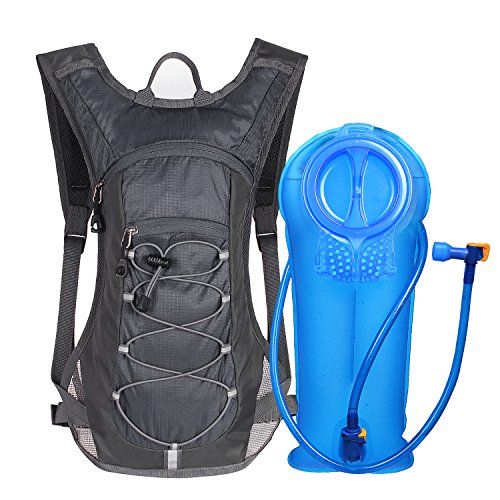
- Streamlined, aerodynamic profile
- Includes replaceable 2-liter bladder
- Adjustable chest and waist straps
Best For: Running and cycling with minimal storage needs
Storage-Forward Vest
Zelvot Reflective Hydration Vest

- Three waterproof front pockets
- Includes a 2-liter high-flow bladder
- Reflective details and breathable mesh
Best For: Longer runs and rides requiring extra accessible storage
Cold-Drink Comfort Pick

- Insulated bladder pocket
- Five-pocket storage layout
- Ventilated adjustable shoulder straps
Best For: Warm-weather outings needing hydration, storage, and cooler water
Rugged 3L Choice
MARCHWAY Tactical Hydration Pack

- 3L TPU bladder with convenient cleaning and refill features
- Durable 1000D nylon with a stable, adjustable fit
- Two pockets plus MOLLE webbing for expandable storage
Best For: Rugged hikes, cycling, training, and tactical-style outdoor use
Versatile Day-Hike Pick
Teton Oasis Trailrunner Hydration Backpack

- Lightweight 14.4-ounce design with a comfortable adjustable fit
- 2L bladder includes a large opening and kink-free sip tube
- Six pockets, helmet bungee, and sewn-in rain cover add utility
Best For: Day hikes, cycling, running, and organized outdoor carry
Best Shared Value
Lightweight 2-Pack Hydration Backpack Set

- Includes two packs and two 2L TPU water bladders
- Each pack weighs 0.37 pounds without water
- Three-layer storage and breathable adjustable construction
Best For: Couples, friends, and families sharing outdoor activities
Endurance-Ready Pick

- 2L BPA-free PEVA bladder included
- Eight pockets for organized storage
- Adjustable, water-resistant vest design
Best For: Longer runs, rides, hikes, and endurance events
Versatile Storage Pick
Blue Quartz 2L Hydration Backpack

- Insulated 2L BPA-free bladder compartment
- 10L capacity with wide-opening storage
- Breathable, adjustable carrying system
Best For: Outdoor days requiring hydration and extra gear capacity
Ultralight Running Pick

- Weighs only 140 grams
- 1.5L bladder plus two bottle pockets
- Ventilated mesh and reflective trim
Best For: Weight-conscious runners and compact day outings
Ultra-Light Trail Pick – 12L Hydration Backpack
For shoppers comparing lightweight hydration packs, this 12-liter nylon backpack stands out for its 8.5-ounce listed weight and included 2-liter bladder. Its breathable back panel, adjustable fit, and multiple small storage areas make it a practical option for active day outings.
Best For: Runners, hikers, cyclists, and festival-goers who want a very light pack with room for small essentials.
Pros:
- Exceptionally light listed weight of 8.5 ounces.
- Includes a 2-liter BPA-free, food-grade PEVA bladder with a leakproof bite valve.
- Breathable air-mesh back and adjustable shoulder and chest straps.
- Multiple pockets and mesh pouches for phones, keys, snacks, and small gear.
Cons:
- The product details list only 12 liters of total capacity while describing a compact pack.
- Storage organization may be more suitable for essentials than bulky gear.
This is a strong lightweight hydration packs choice when minimizing pack weight is the priority. The 2-liter reservoir and practical pockets support short adventures without adding much bulk.
Compact Racing Choice – Unigear 2L Hydration Pack
This Unigear model is among the more compact lightweight hydration packs, pairing a streamlined design with a 2-liter bladder. Adjustable chest, shoulder, and waist straps help keep it stable during running, cycling, and other high-motion activities.
Best For: Runners and cyclists who prefer an aerodynamic pack for essentials and a day’s hydration.
Pros:
- Compact 16.5-by-8-by-6-inch design intended to reduce wind drag.
- Includes a replaceable 2-liter BPA-free bladder with a screw cap for adding ice.
- Adjustable straps accommodate chest sizes from 27 to 50 inches, according to the notes.
- Splash-resistant nylon helps protect belongings in light rain.
Cons:
- The listed 1.1-pound weight is heavier than some ultralight alternatives.
- Only one front stash pocket is specified, limiting organization.
Choose this pack if secure, low-bounce carry and a streamlined profile matter more than extensive storage. Its replaceable bladder is also useful for long-term maintenance.
Storage-Forward Vest – Zelvot Reflective Hydration Vest
Among lightweight hydration packs, the Zelvot is built more like a storage-focused running vest. It combines a 2-liter bladder with three waterproof front zippered pockets, back compartments, reflective details, and adjustable straps designed to reduce bounce.
Best For: Trail runners, marathoners, and cyclists who need hydration plus accessible storage for phones, gels, clothing, and other gear.
Pros:
- Includes a 2-liter BPA- and PVC-free bladder with a high-flow bite valve.
- Three waterproof front zippered pockets and two large back pockets provide useful capacity.
- Adjustable shoulder straps and waist belt are designed to reduce shifting and chafing.
- Breathable mesh and reflective front and back details support active and low-light use.
Cons:
- Its listed 0.65-kilogram weight is heavier than the lightest packs here.
- The 900D Oxford construction may feel more substantial than a minimalist running vest.
This is a practical pick for buyers who want a hydration vest that can carry more than water. The storage and visibility features are especially useful for longer or lower-light outings.
Cold-Drink Comfort Pick – MIYCOO 10L Hydration Backpack
The MIYCOO combines lightweight hydration packs features with a 10-liter daypack layout and an insulated bladder compartment. Its 2-liter BPA-free bladder, ventilated shoulder straps, and five-pocket design make it suited to users who want hydration and organized carrying space.
Best For: Hikers, cyclists, and runners who value cold water, multiple pockets, and room for snacks or lightweight layers.
Pros:
- Insulated bladder pocket is designed to keep water cold for up to four hours with an ice pack.
- Includes a thickened, food-grade, BPA-free, odorless 2-liter bladder.
- Five pockets include a main compartment, front zipper pocket, bladder pocket, and two shoulder phone pockets.
- Ventilated mesh shoulder straps and adjustable construction support comfort on the move.
Cons:
- The listed 0.67-kilogram weight is not the lightest in this roundup.
- Cooling performance depends on using an ice pack.
For warm-weather outings, the insulated bladder compartment gives this pack a useful advantage over basic hydration bags. It is a good middle ground for shoppers who need both cooling and everyday gear storage.
Rugged 3L Choice – MARCHWAY Tactical Hydration Pack
If you need lightweight hydration packs with extra durability and a secure fit, the MARCHWAY Tactical pack is built for demanding outdoor use. Its 3L bladder, adjustable waist and sternum straps, and 1000D water-repellent nylon suit activities where stability and rugged construction matter.
Best For: Hiking, cycling, training, and other adventures where a larger reservoir and MOLLE-expandable storage are useful.
Pros:
- Includes a 3L TPU bladder with a wide opening, quick-release valve, and rotating bite valve.
- Contoured design, adjustable straps, padded shoulders, and an air-mesh back help improve stability and airflow.
- Heavy-duty 1000D nylon, impact-resistant buckles, military-grade webbing, and SBS zippers support rugged use.
- Two external pockets and MOLLE webbing provide practical, expandable storage.
Cons:
- At 2 pounds, it is heavier than many minimalist hydration packs.
- Its compact two-pocket layout may provide less organization than a larger daypack.
This is a strong option when durability and 3L capacity take priority over minimum weight. The structured, tactical design is especially appealing for users who want a stable pack that can accept additional MOLLE accessories.
Versatile Day-Hike Pick – Teton Oasis Trailrunner Hydration Backpack
The Teton Oasis Trailrunner is one of the more versatile lightweight hydration packs for day hikes, running, and cycling. It combines a low-profile athletic fit with a 2L bladder, six pockets, and a sewn-in rain cover for carrying water and essentials in changing conditions.
Best For: Hikers, runners, cyclists, and families who want a comfortable, feature-rich daypack with adjustable sizing.
Pros:
- Includes a 2L bladder with a large ice-friendly opening, kink-free tube, and push-lock bite valve.
- Low-profile design and full adjustment accommodate men, women, and youth.
- Six pockets offer more organization than a minimalist running vest or compact pack.
- Features a weather-guarded pocket, bungee helmet cord, and sewn-in rain cover.
Cons:
- The included bladder is smaller than the 3L reservoir supplied with some competitors.
- Its feature set may be more than needed for short runs or minimal-carry outings.
Choose this model if comfort, organization, and weather-oriented features are more important than carrying the absolute minimum. Its 14.4-ounce listed weight and adjustable athletic cut make it a practical middle ground for day adventures.
Best Shared Value – Lightweight 2-Pack Hydration Backpack Set
For buyers seeking lightweight hydration packs for two people, this set supplies two backpacks and two 2L TPU bladders. Each pack weighs 0.37 pounds without water and uses breathable mesh, adjustable chest and shoulder straps, and three-layer storage for compact outdoor carry.
Best For: Couples, friends, or families who need matching hydration packs for hiking, running, cycling, or training.
Pros:
- Includes two backpacks and two 2L water bladders for shared adventures.
- Very light 0.37-pound pack weight helps reduce shoulder load.
- Breathable mesh panels and adjustable straps help improve comfort and fit.
- Dedicated bladder storage plus two additional pockets keeps essentials organized.
Cons:
- The 2L capacity is less than that of larger 3L hydration packs.
- The compact storage design may not suit users carrying substantial extra gear.
This set stands out for its practical value and exceptionally low listed weight. It is a sensible choice when two people need basic hydration and light storage without buying separate packs.
Endurance-Ready Pick – Criuage 2L Hydration Vest
For shoppers comparing lightweight hydration packs, the Criuage hydration vest combines a 2-liter BPA-free PEVA bladder with a secure, adjustable chest-pack design. Its eight pockets provide room for running, cycling, or hiking essentials.
Best For: Endurance runners, cyclists, and hikers who want substantial water capacity plus organized storage.
Pros:
- Includes a 2-liter BPA-free PEVA water bladder.
- Adjustable straps and wide mesh shoulder pads help improve comfort and stability.
- Eight pockets organize phones, keys, cash, snacks, towels, and other gear.
- Water-resistant nylon construction suits a range of outdoor activities.
Cons:
- At 750 grams, it is heavier than the other packs in this roundup.
- The larger 5-liter pack capacity may feel more substantial for short runs.
The Criuage is a storage-focused option for longer outings where a full 2-liter bladder and accessible pockets matter more than minimum pack weight.
Versatile Storage Pick – Blue Quartz 2L Hydration Backpack
The Blue Quartz is one of the more versatile lightweight hydration packs, pairing a 2-liter bladder with a 10-liter backpack capacity. Its insulated bladder compartment, breathable back panel, and wide-opening storage make it practical for active days.
Best For: Cyclists, trail runners, hikers, and festival-goers who need hydration plus flexible daypack storage.
Pros:
- Includes a 2-liter BPA-free bladder in an insulated compartment.
- L-shaped wide-opening zipper simplifies packing larger daily essentials.
- Shoulder pocket, helmet net, and front elastic cord add quick-access storage.
- Breathable straps and ventilated back panels help reduce heat buildup.
Cons:
- Its 10-liter capacity may be more than needed for minimalist short runs.
- The water-resistant fabric is described for light rain and splashes rather than heavy weather.
Choose the Blue Quartz if you want a hydration pack that can also carry extra layers and gear without giving up hands-free drinking.
Ultralight Running Pick – INOXTO 1.5L Hydration Vest
For runners prioritizing low weight, the INOXTO stands out among lightweight hydration packs at just 140 grams. It carries a 1.5-liter bladder, offers ventilated mesh, and includes front pockets for small essentials.
Best For: Road runners, trail runners, and cyclists who want a compact, low-weight pack for shorter or moderate outings.
Pros:
- Ultra-lightweight 140-gram design minimizes carried weight.
- Includes a 1.5-liter water bladder and room for two 250 ml bottles in the belt pockets.
- Ventilated mesh helps promote airflow across the back.
- Reflective trim and multiple front pockets support nighttime visibility and quick access.
Cons:
- The 1.5-liter bladder capacity is lower than the 2-liter options here.
- It has four listed pockets, providing less storage than the other two packs.
- The supplied notes specify that it is not intended for children 12 and under.
The INOXTO is the strongest fit when weight and stability are the priorities, especially for runners who do not need a large gear compartment.
How We Picked These Lightweight Hydration Packs
We focused on the features that matter most during active use: overall weight, hydration capacity, fit, storage, ventilation, adjustability, and ease of cleaning. The selection includes running vests, compact daypacks, tactical-style designs, and larger trail-oriented packs so different users can compare suitable formats.
We also considered practical details such as reflective elements, insulated compartments, external gear holders, MOLLE compatibility, and whether a pack is offered with a 1.5L, 2L, or 3L bladder. Product claims and included accessories should still be verified before purchase, since configurations can vary by size or listing.
Quick Comparison
| Best For | Recommended Style | Typical Capacity |
|---|---|---|
| Short runs and races | Minimalist hydration vest | 1.5L–2L |
| Hiking and cycling | Compact hydration backpack | 2L |
| Longer day trips | Larger trail pack | 2L–3L bladder plus gear storage |
| Extra equipment | Tactical or MOLLE pack | 3L bladder |
Key Buying Factors for Lightweight Hydration Packs
Fit and Stability
A secure fit is more important than saving a few ounces. Look for adjustable chest or sternum straps, shoulder straps that do not restrict arm movement, and enough compression to prevent bouncing. Running vests generally provide the closest, most stable fit, while traditional backpacks may offer easier access to larger compartments.
Bladder Size and Drinking Access
A 1.5L bladder can be sufficient for shorter outings when refill points are available. A 2L reservoir is a versatile choice for running, hiking, and cycling, while 3L models suit longer or hotter trips. Check that the hose routes naturally to the shoulder strap and that the bite valve is easy to use while moving.
Storage and Organization
Consider what you actually carry: phone, keys, snacks, shell, first-aid supplies, and extra layers. Minimal packs reduce bulk but may not hold much beyond water. Larger designs are more useful for hikes, and MOLLE webbing can help attach compatible accessories, although it may add weight.
Ventilation, Visibility, and Maintenance
Breathable back panels and mesh shoulder straps help reduce heat buildup. Reflective details are useful for early-morning or evening workouts. Wide openings, reversible reservoirs, and accessible hose connections make cleaning and drying easier—important for preventing odors and buildup.
Who Should Buy Which Lightweight Hydration Packs?
Runners and racers: Choose a low-profile vest with stable straps, minimal bounce, and enough room for essentials.
Hikers and cyclists: A 2L pack with moderate storage offers a practical balance of hydration, comfort, and versatility.
Long-distance adventurers: Select a larger pack or a 3L bladder when refill opportunities are limited and you need layers or food.
Gear-heavy users: A tactical or MOLLE design may be worthwhile if attachment points and expanded organization matter more than minimum weight.