The best hiking backpacks balance carrying comfort, useful capacity, weather protection, and easy access to essentials. This roundup covers compact daypacks, hydration packs, packable designs, and larger options for camping or multi-day outings.
Use the comparison and buying advice below to match a backpack to your typical trail length, load, fit preferences, and weather conditions.
Best 10 Hiking Backpacks Picks for 2026
Best All-Weather Daypack

- 40L capacity with numerous storage pockets
- Includes a rain cover and water-resistant nylon
- Padded, breathable harness with hydration routing
Best For: Roomy day hikes, travel, camping, and fishing
Best Tactical Organization
LHI 45L Military Tactical Backpack

- 45L capacity with five compartments
- MOLLE webbing supports add-on pouches
- Durable fabric, zippers, and padded ventilation
Best For: Modular hiking, camping, travel, and three-day loads
Best Framed Backpacking Value
Teton 55L Scout Internal Frame Backpack

- 55L capacity with a sleeping-bag compartment
- Adjustable torso and internal-frame support
- Rainfly included with hydration-pocket compatibility
Best For: Multi-day hiking, camping, and beginner backpacking
Best Packable Option
MIYCOO 35L Ultralight Hiking Daypack

- Folds into a compact built-in pocket
- Very light at about 12.8 ounces
- 35L capacity with wet-item separation
Best For: Travel backup use, day hikes, cycling, and light rain
Best Large-Capacity Pick
WoneNice 50L Waterproof Hiking Backpack

- 50L layout with four compartments and five pockets
- Includes a waterproof rain cover
- Padded, adjustable harness with breathable back support
Best For: Multi-day hikes and camping trips with bulky gear
Best Packable Daypack
G4Free 20L Lightweight Hiking Backpack

- Folds into its own pocket for easy packing
- Weighs only 0.64 pounds
- Five-pocket layout with strap storage and bungee cord
Best For: Travelers and day hikers needing a compact spare pack
Best Hydration-Focused Option
MIYCOO Hydration Hiking Backpack

- Includes a 2L BPA-free water bladder
- Insulated bladder pocket supports colder drinks
- 10L pack with five pockets and phone storage
Best For: Running, cycling, and short hikes centered on hydration
Best with Extra Features

- 13.4-ounce foldable design
- Quick-access phone and essentials pockets
- Reflective strips and chest strap
Best For: Light day hikes, travel, cycling, and commuting
Best Hydration Daypack
TETON Oasis Trailrunner Hydration Pack
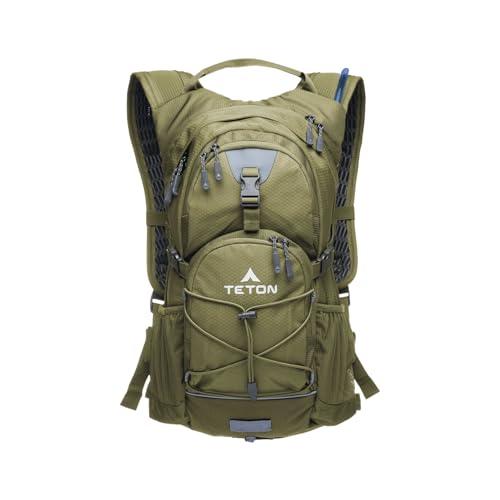
- Includes a 2-liter water bladder
- 18 liters of organized storage
- Sewn-in rain cover and adjustable fit
Best For: Hiking, running, cycling, and bike rides
Best Ultralight Hydration Pack

- 8.5-ounce design with 12-liter capacity
- 2-liter or 3-liter bladder options
- Waterproof, tear-resistant nylon shell
Best For: Short hikes, running, cycling, and active day trips
Best All-Weather Daypack – Maelstrom 40L Hiking Backpack
The Maelstrom 40L is one of the more versatile hiking backpacks for day hikes, travel, camping, and fishing. Its rip-stop nylon construction, included rain cover, padded harness, and extensive pocket layout make it a practical choice when you want substantial storage without a bulky framed pack.
Best For: Hikers and travelers who want a roomy, lightweight pack with weather protection and organized storage.
Pros:
- 40L capacity with a main compartment, wet pocket, top pocket, front pockets, waist pockets, and mesh side pockets.
- Includes a rain cover and uses water-resistant, tear-resistant 210D nylon fabric.
- Padded, breathable shoulder straps and back panel help improve comfort on longer outings.
- Includes trekking-pole attachment points, reflective details, and water-bladder routing.
Cons:
- Its single main compartment may offer less internal separation than a multi-compartment framed pack.
- Hand-wash care is required.
The Maelstrom stands out for combining a generous 40L capacity with a relatively lightweight daypack design. It is a strong fit for users who value organization and rain readiness but do not specifically need a traditional internal-frame backpack.
Best Tactical Organization – LHI 45L Military Tactical Backpack
The LHI 45L is a tactical-style option among hiking backpacks, pairing a durable Oxford nylon build with MOLLE attachment points and multiple compartments. Its compression system and padded ventilation features make it suitable for carrying outdoor gear, travel supplies, or a three-day load.
Best For: Hikers, campers, and travelers who want modular MOLLE storage and a rugged, utility-focused design.
Pros:
- 45L capacity with five compartments and multiple zippered and mesh pockets.
- MOLLE webbing provides mounting points for compatible pouches and accessories.
- 900D Oxford nylon, double stitching, heavy-duty zippers, and water-resistant construction support demanding use.
- Includes a padded, ventilated back area, compression straps, bottle holder, and hydration-bladder holder.
Cons:
- The tactical styling and rectangular shape may be less streamlined than a conventional hiking pack.
- Water resistance is listed as water repellent rather than fully waterproof.
- At 1.3 kg, it is heavier than ultralight daypack options.
This pack is compelling when external modularity matters as much as carrying capacity. The MOLLE system and utility pockets make it especially adaptable, while the padded harness and compression straps help manage a loaded 45L interior.
Best Framed Backpacking Value – Teton 55L Scout Internal Frame Backpack
The Teton Scout 55L is built for backpacking trips where load support and capacity take priority over ultralight weight. As hiking backpacks go, it offers an adjustable internal-frame design, lumbar padding, a sleeping-bag compartment, compression straps, and an included rain cover.
Best For: Beginners and experienced backpackers who need a larger, adjustable pack for hiking and camping trips.
Pros:
- 55L storage volume with seven compartments and a dedicated sleeping-bag compartment.
- Multi-position torso adjustment is designed to fit medium and tall adventurers.
- Internal frame, open-cell foam lumbar pad, and molded airflow channels support carrying comfort.
- Includes a rainfly and hydration-pocket compatibility.
Cons:
- At 1.86 kg, it is heavier than lightweight and packable alternatives.
- The listed fit sentiment is small, so careful adjustment is important before extended use.
- Hand-wash care is required.
The Scout 55L makes the most sense for multi-day outings where a structured carrying system and dedicated gear compartments are more valuable than minimal pack weight. Its adjustable torso and lumbar support also make it approachable for newer backpackers.
Best Packable Option – MIYCOO 35L Ultralight Hiking Daypack
The MIYCOO 35L is a convenient choice among hiking backpacks when portability is a priority. It folds into its own compact pocket, weighs about 12.8 ounces, and provides useful organization for day hikes, cycling, travel, or as an extra bag packed inside luggage.
Best For: Travelers and active users who need a lightweight backup pack for light rain, day trips, and overflow storage.
Pros:
- Folds to approximately 4.5 x 3.9 x 7.8 inches for easy suitcase or pocket storage.
- 35L capacity with three main compartments and a wet compartment for separating damp items.
- Lightweight polyester construction includes reinforced stress points and upgraded zippers.
- Anti-theft zipper clips and a shoulder-strap survival whistle add practical features.
Cons:
- IPX4 water resistance is intended for splashes and light rain, not full waterproof protection.
- The lightweight packable design may provide less structure and support than framed hiking packs.
- Care instructions call for wiping clean rather than machine washing.
The MIYCOO is a smart space-saving supplement to a travel kit rather than a technical load-hauling pack. Its very low weight, compact folded size, wet compartment, and 35L capacity make it useful for spontaneous excursions and extra carrying capacity on the road.
Best Large-Capacity Pick – WoneNice 50L Waterproof Hiking Backpack
For hikers carrying camping equipment or extra layers, this 50L hiking backpack provides substantially more storage than a typical daypack. Its multiple compartments, adjustable harness, and included rain cover make it suited to longer outings where organization and weather protection matter.
Best For: Multi-day hikes, camping trips, and hikers who need room for bulky gear.
Pros:
- 50L capacity with a main compartment, sleeping-bag compartment, front pockets, and side mesh pockets.
- Includes a waterproof rain cover and uses water-resistant, tear-resistant polyester and nylon fabric.
- Padded S-shaped shoulder straps, breathable back support, adjustable chest belt, and waist belt help distribute the load.
Cons:
- Its larger 50L size is more storage than many short day hikes require.
- Hand-wash-only care may be less convenient than machine washing.
This is a practical choice when capacity is the priority. The structured storage and load-adjustment features add versatility, while the included cover provides extra protection in wet conditions.
Best Packable Daypack – G4Free 20L Lightweight Hiking Backpack
This 20L hiking backpack is designed for travelers and day hikers who want a lightweight spare pack. It folds into its own inner pocket, takes up little luggage space, and offers enough organization for essentials, snacks, and a light layer.
Best For: Day hikes, travel, cycling, and keeping a compact backup pack in a suitcase or larger bag.
Pros:
- Weighs just 0.64 pounds and folds down to approximately 6.3 by 7.1 inches.
- Provides a zippered main compartment, inner pockets, front pocket, and two side pockets.
- Features water-repellent Taslan nylon, breathable mesh shoulder straps, and an adjustable chest strap.
- Shoulder-strap pockets and a front bungee cord keep small items and a light jacket accessible.
Cons:
- At 20L, it offers less capacity for bulky clothing or overnight equipment.
- The material is described as water-repellent rather than fully waterproof.
Choose this model when portability matters more than heavy-load capacity. Its compact folded size and useful pocket arrangement make it especially convenient for travel and short outdoor outings.
Best Hydration-Focused Option – MIYCOO Hydration Hiking Backpack
For active outings where quick access to water is essential, this hydration hiking backpack combines a 2L bladder with a compact 10L storage area. Its insulated bladder pocket, ventilated straps, and shoulder-phone pockets make it well suited to running, cycling, and shorter hikes.
Best For: Running, cycling, climbing, and short hikes where hands-free hydration is the main priority.
Pros:
- Includes a 2L food-grade, BPA-free, odorless water bladder with a wide, leak-proof opening.
- Insulated bladder storage is designed to help keep water cold for up to four hours when used with an ice pack.
- Five-pocket design includes storage for clothing, snacks, sunglasses, a phone, and keys.
- Ventilated mesh shoulder straps and adjustable silica-gel cushioning support airflow and comfort.
Cons:
- The 10L capacity leaves less room for bulky hiking or overnight gear.
- Its feature set is centered on hydration, so it may be more specialized than a general-purpose daypack.
This is a focused choice for warm-weather activity and fast-moving adventures. The included bladder reduces the need for separate water bottles, while the compact storage handles basic personal essentials.
Best with Extra Features – Colorful 15L Hiking Backpack
For lightweight hiking backpacks that can double as travel or commuter bags, this 15-liter daypack emphasizes portability and quick-access storage. It folds into a compact size, weighs 13.4 ounces, and includes multiple pockets for organizing trail and everyday essentials.
Best For: Day hikes, travel backup use, cycling, commuting, and casual outdoor trips where low weight and packability matter.
Pros:
- Folds compactly for packing in luggage, another backpack, or a car.
- Phone pocket, drawstring pocket, hidden back pocket, and mesh side pockets provide accessible storage.
- Reflective strips and an adjustable chest strap add practical support for active use.
- Water-resistant nylon construction with reinforced stitching and SBS zippers.
Cons:
- Its 15-liter capacity is better suited to day trips than extended outings.
- The lightweight design may not be ideal for carrying heavy loads.
- Dimensions should be checked carefully if you need a specific fit or packing volume.
This is a practical choice among hiking backpacks for shoppers who prioritize minimal weight, colorful styling, and compact storage over expedition-sized capacity.
Best Hydration Daypack – TETON Oasis Trailrunner Hydration Pack
Among hiking backpacks with integrated hydration, the TETON Oasis Trailrunner combines an included 2-liter bladder with 18 liters of organized storage. Its insulated bladder pocket, adjustable athletic fit, and sewn-in rain cover make it suited to active outings in changeable conditions.
Best For: Hikes, runs, cycling, and bike rides that require hands-free hydration plus room for clothing, food, and outdoor accessories.
Pros:
- Includes a 2-liter bladder with a wide opening, kink-free tube, and push-lock bite valve.
- Insulated bladder pocket is designed to help keep water cold for hours.
- 18-liter storage capacity, six pockets, and a bungee system offer useful organization.
- Sewn-in rain cover and weather-guarded zippers help protect gear from wet conditions.
Cons:
- At 2 pounds, it is heavier than ultralight hydration packs.
- The listed 18-liter model may provide less capacity than the available 22-liter size.
- The bladder requires cleaning and filling before use.
Choose this pack if dependable on-the-go drinking and built-in weather protection are more important to you than minimizing pack weight.
Best Ultralight Hydration Pack – Wotony 12L Hydration Backpack
For shoppers comparing compact hiking backpacks with hydration capability, the Wotony offers a lightweight 12-liter design and a 2- or 3-liter bladder option. Its waterproof, tear-resistant PU-coated nylon and adjustable chest strap are aimed at active use without a bulky profile.
Best For: Hiking, cycling, running, hunting, trekking, and other activities where carrying water with a small amount of gear is the priority.
Pros:
- Lightweight 8.5-ounce pack helps reduce carry weight.
- Available with a 2-liter or 3-liter water bladder option.
- Food-grade PEVA bladder uses a leak-proof bite valve and hose clip.
- Waterproof, tear-resistant fabric is rated to carry up to 25 pounds.
Cons:
- Its 12-liter capacity offers less room than larger hiking backpacks.
- The supplied details do not specify a rain cover or extensive pocket layout.
- The listed item weight is 0.57 kg in the product details, while the bullet description states 8.5 ounces; verify the current specifications before buying.
This pack stands out for users seeking a minimal hydration setup and flexible bladder capacity, especially for shorter, faster-moving outings.
How We Picked These Hiking Backpacks
We selected these Hiking Backpacks to represent the main ways people carry gear outdoors, from short walks and running routes to full-day hikes, travel, and lightweight camping. The lineup includes capacities from compact 15L and 20L designs to 50L and 55L internal-frame packs, along with hydration-specific options that include water bladders.
We focused on practical features such as pack weight, storage capacity, hydration access, rain protection, ventilation, compression, packability, and the ability to organize frequently used items. Because fit and comfort are highly personal, check the manufacturer’s measurements and adjustability details before ordering.
Quick Comparison of the Best Hiking Backpacks
- Best for extended trips: The 55L and 50L designs offer room for clothing, food, shelter, and larger equipment.
- Best for day hikes: The 35L to 45L packs provide a useful middle ground for layers, lunch, and safety gear.
- Best for minimalist outings: The 15L, 18L, 20L, and 22L options suit short hikes, travel, and light loads.
- Best for hands-free hydration: Hydration packs with 2L or 3L reservoirs are convenient for running, cycling, and fast-moving hikes.
- Best for occasional use: Packable backpacks fold down easily for travel, backup storage, or spontaneous walks.
Key Buying Factors for Hiking Backpacks
Capacity and Intended Load
Choose capacity based on what you actually carry. A 15L to 22L bag is usually enough for water, snacks, a phone, sunscreen, and a light layer. Around 30L to 45L works better for longer day hikes or bulky clothing. For overnight or camping trips, look for 50L or more, while remembering that unused space can encourage overpacking.
Fit, Support, and Comfort
Look for padded shoulder straps, an adjustable sternum strap, breathable back panels, and—on larger packs—a supportive hip belt. A heavier load needs a structured frame and well-padded waist support. The pack should sit close to your back without restricting arm movement or creating pressure points.
Weather Protection and Durability
Water-resistant fabric helps with light showers, but a separate rain cover provides better protection during sustained rain. Check whether the cover is included. Reinforced stitching, durable zippers, compression straps, and abrasion-resistant materials matter most if you hike frequently or carry the pack through rough environments.
Organization and Hydration
External pockets make snacks, maps, and small electronics easier to reach. A bladder sleeve and hose port are useful if you prefer sipping while moving, while side bottle pockets are simpler to refill. Tactical MOLLE webbing can add attachment points, but it may also add weight and bulk.
Who Should Buy Which Hiking Backpacks?
Choose a compact pack for short hikes, sightseeing, commuting, or travel where low weight and packability matter most. Choose a hydration backpack if you prioritize frequent water access for hiking, running, cycling, or other fast-paced activities. Choose a 35L to 45L daypack for full-day outings with extra layers, food, camera equipment, or safety supplies. Choose a 50L to 55L framed backpack when carrying camping equipment or several days of clothing and provisions.
Before buying, compare the listed capacity with your usual gear, verify the torso and waist fit, and confirm the rain-cover and reservoir contents. The right hiking backpack should carry your essentials securely while remaining comfortable for the distance and terrain you plan to cover.