The best flashlights for hiking balance useful brightness with low weight, dependable battery life, and a beam that helps you read terrain after dark. A good trail light should also be easy to carry, simple to operate, and durable enough for changing weather.
We compared 10 popular handheld and headlamp options, including rechargeable models, compact two-packs, adjustable-focus designs, and water-resistant lights for emergencies or overnight hikes.
Best 10 Flashlights for Hiking Picks for 2026
Long-Range Trail Power
Tactical 1200-Lumen Flashlight

- 1200-lumen LED with a reported 1,000-foot beam
- Zoomable design and three lighting modes
- AA-powered aluminum body with IPX4 water resistance
Best For: Hikers who prefer replaceable batteries and long-range illumination
Rechargeable Trail Companion

- Built-in 1,800mAh battery with USB-C charging
- Four modes plus zoomable spotlight or floodlight
- Compact aluminum design weighs about 85 grams
Best For: Hikers wanting a lightweight rechargeable flashlight
Pack-Saving Backup Pair

- Two handheld aluminum flashlights in one package
- Five modes with adjustable zoomable beam
- Includes cases, straps, and battery holders
Best For: Hikers who want a spare light or a two-person setup
Hands-Free Trail Lighting
Rechargeable Motion-Sensor Headlamp

- Rechargeable headlamp with four-to-10-hour runtime
- Eight modes include white, red, SOS, and sensor operation
- 60-degree pivot and lightweight adjustable headband
Best For: Hikers and campers who need hands-free illumination
Best Rechargeable Pair

- Rechargeable battery with USB-C charging
- Seven lighting modes and adjustable focus
- Includes two flashlights, clips, and lanyards
Best For: Hikers who want a rechargeable flashlight pair with versatile beam options
Best Multipack Value
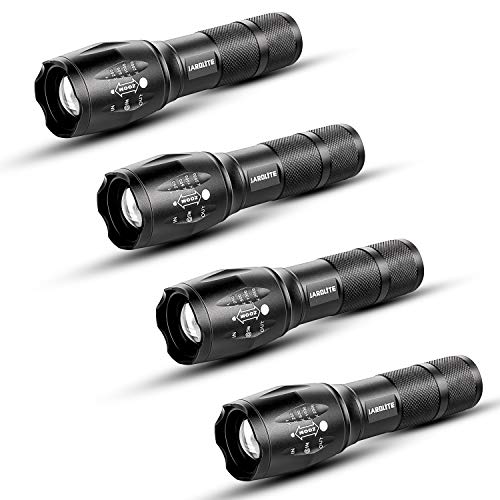
- Includes four pocket-sized flashlights
- Five modes with spotlight and floodlight adjustment
- Uses 18650 or AAA batteries, sold separately
Best For: Groups and emergency kits needing several compact outdoor lights
Best Compact Option

- Small 4.2-inch body weighs 128 grams
- Zoomable spot-to-flood beam adjustment
- Includes three AAA batteries
Best For: Casual hikers wanting a lightweight, ready-to-use backup light
Best Value Pair
LETMY S2000 Tactical Flashlights

- Two compact flashlights with adjustable spot and flood beams
- Five modes, including SOS and strobe
- Batteries not included; rated for up to 40 hours on low
Best For: Hikers seeking a versatile two-light backup set
Best Rechargeable Option
Victoper Rechargeable Flashlights

- Two flashlights include rechargeable batteries and USB cables
- Adjustable focus and multiple lighting modes
- Aluminum construction with water- and dust-resistant features
Best For: Hikers who prefer USB-rechargeable lighting
Best Simple Backup

- Compact two-pack for hiking, camping, and emergencies
- Five modes with adjustable spot and flood focus
- Uses AAA or compatible rechargeable batteries; not included
Best For: Casual hikers wanting simple spare lights
Long-Range Trail Power – Tactical 1200-Lumen Flashlight
For hikers who want a traditional handheld option, this flashlight combines a reported 1200-lumen output with a zoomable beam for switching between broad trail lighting and longer-distance focus. Its aluminum body and IPX4 water resistance make it a practical choice for variable outdoor conditions, though batteries must be purchased separately.
Best For: Hikers seeking a rugged, battery-powered flashlight with long-range beam adjustment.
Pros:
- Zoomable beam reaches a reported 1,000 feet for distant visibility.
- Three brightness modes cover high, medium, and low-light needs.
- Aluminum construction is lightweight, durable, and IPX4 water-resistant.
- Runs on widely available AA batteries.
Cons:
- AA batteries are not included.
- At 7.5 inches long, it is less compact than some hiking lights.
This is a sensible pick when reach and replaceable batteries matter more than minimum pack size. The focused beam is useful on open trails, while the lower modes help conserve power during longer outings.
Rechargeable Trail Companion – Compact USB-C Flashlight
This compact rechargeable model is a convenient choice for flashlights for hiking, especially when you want to avoid carrying spare cylindrical batteries. It offers four modes, adjustable focus, and a built-in 1,800mAh battery that charges through USB-C, with a stated runtime of up to 16 hours in normal use.
Best For: Day hikers and backpackers who value a small, rechargeable light with flexible beam control.
Pros:
- USB-C charging and included cable simplify recharging.
- Four modes include high, low, strobe, and SOS.
- Zoomable focus switches between spotlight and floodlight coverage.
- Lightweight aluminum body weighs about 85 grams.
Cons:
- The built-in battery is non-removable.
- Its reported 590-foot light path is shorter than the longest-range option here.
- Warranty coverage is listed as six months.
Its small size and rechargeable design make it easy to keep in a daypack or emergency kit. The non-removable battery is the main trade-off, so charge it before trips and consider your access to USB power.
Pack-Saving Backup Pair – Two-Pack Zoomable Flashlights
This two-pack is useful for hikers who want a spare light, a shared setup, or separate flashlights for a pack and home emergency kit. Each compact aluminum flashlight has five modes and a zoomable beam, but the required AAA batteries are not included.
Best For: Hikers who want two versatile handheld lights for backup coverage or group use.
Pros:
- Two flashlights provide a built-in backup or allow shared use.
- Five modes and a zoomable beam support different trail conditions.
- Aluminum construction is water-resistant and rated to withstand a 10-foot drop.
- Included holders, tubes, straps, and cases add carrying flexibility.
Cons:
- Three AAA batteries per flashlight are required and not included.
- The listed dimensions are larger than some mini flashlight descriptions suggest.
This set offers good redundancy for hiking and emergency preparation. It is particularly practical for couples or groups, provided you stock six AAA batteries before heading out.
Hands-Free Trail Lighting – Rechargeable Motion-Sensor Headlamp
For hands-free hiking illumination, this rechargeable headlamp keeps both hands available for trekking poles, map reading, or camp setup. It includes white and red light options, eight lighting modes, a 60-degree pivot, and a motion-sensor mode that lets you switch the light with a wave.
Best For: Campers, backpackers, and hikers who need hands-free lighting for trails and nighttime tasks.
Pros:
- Rechargeable battery provides a stated four-to-10-hour runtime.
- Eight modes include white light, red light, SOS, and motion-sensor operation.
- 60-degree pivoting lamp helps direct light where needed.
- Lightweight 1.87-ounce design has an adjustable headband.
Cons:
- Its built-in battery cannot be swapped for a fresh cell on the trail.
- IPX4 water resistance is intended for rain and splashes rather than submersion.
Among these flashlights for hiking, this is the most task-oriented option because it mounts directly to your head. The two-headlamp package is also convenient for couples or for keeping one as a backup, but charge both before leaving.
Best Rechargeable Pair – 700-Lumen 2-Pack Flashlights
For hikers who want a rechargeable set, these flashlights for hiking combine a 700-lumen LED output with adjustable focus and multiple lighting modes. The two-pack is practical for sharing or keeping a backup in your gear.
Best For: Hikers who want rechargeable lights, flexible beam control, and a spare flashlight for outdoor use.
Pros:
- Rechargeable design includes USB-C charging cables and a battery-level display.
- Offers seven modes, including high, low, strobe, side-light, and red strobe options.
- Adjustable focus supports both long-distance spotlighting and wider flood lighting.
- Includes lanyards, clips, and a storage box for easier carrying and organization.
Cons:
- The built-in lithium-ion battery is non-detachable.
- At 6.9 inches long, it is less compact than a pocket-sized flashlight.
With a stated runtime of up to 12 hours, a 328-foot light path, and a durable aluminum body, this two-pack offers useful versatility for hikes and emergencies. Its rechargeable format is especially convenient when you have access to a USB power source.
Best Multipack Value – Adjustable-Focus 4-Pack
This four-pack is a practical choice when you need several flashlights for hiking groups, emergency kits, or different bags. Each handheld light offers adjustable focus, five modes, and a durable aluminum-and-steel construction.
Best For: Families, hiking groups, and preparedness kits that need multiple compact flashlights.
Pros:
- Four flashlights provide convenient coverage for multiple people or locations.
- Adjustable focus switches between a spotlight reaching up to 656 feet and a broader floodlight.
- Five modes include three brightness levels, strobe, and SOS.
- Drop-resistant, weatherproof construction is designed for outdoor and emergency use.
Cons:
- Batteries are not included; each light uses either one 18650 lithium-ion battery or three AAA batteries.
- The listed 250-lumen output is lower than some higher-output hiking flashlights.
The JARDLITE set emphasizes quantity and flexibility rather than rechargeable convenience. Its pocket-sized format, hand straps, and long stated beam distance make it useful for shared hiking gear, dog walks, and backup lighting.
Best Compact Option – 140-Lumen Pocket Flashlight
If pack space matters, this small Lepro flashlight is an uncomplicated option for flashlights for hiking. It weighs 128 grams, runs on included AAA batteries, and uses a zoomable head to switch between spot and flood beams.
Best For: Hikers who prioritize a lightweight, pocket-friendly flashlight for short outdoor trips and backup use.
Pros:
- Compact 4.2-inch size and 128-gram weight fit easily in a pocket or small pack.
- Zoomable focus lets you narrow or widen the beam as needed.
- Includes three AAA batteries, so it is ready to use out of the box.
- IPX4 water resistance helps it handle light rain or wet conditions.
Cons:
- The 140-lumen output is modest compared with brighter hiking flashlights.
- Despite the listed rechargeable feature, the supplied details specify three included alkaline AAA batteries and do not describe a charging system.
- IPX4 protection is intended for wet conditions, not full waterproof submersion.
This Lepro model makes sense as a lightweight primary light for casual hikes or as a compact backup. Its 492-foot stated beam distance and adjustable beam width add versatility, while the included batteries reduce setup time.
Best Value Pair – LETMY S2000 Tactical Flashlights
For hikers who want a practical backup system, the LETMY S2000 two-pack combines a pocket-sized design with adjustable focus, five lighting modes, and a claimed runtime of up to 40 hours on low. These flashlights for hiking use either three AAA batteries or a compatible 18650 battery, which must be purchased separately.
Best For: Hikers who want two compact flashlights for sharing or keeping one as a backup at home, in a car, or in a pack.
Pros:
- Two lightweight, pocket-sized flashlights with hand straps.
- Adjustable spot and flood beams plus High, Medium, Low, Strobe, and SOS modes.
- Aluminum-alloy construction with water resistance for outdoor use.
- Low mode can run for more than 40 hours, according to the product notes.
Cons:
- Batteries are not included.
- The two-pack is more useful for backup or sharing than for minimizing pack contents.
The LETMY pair is a sensible value choice when redundancy matters. Its compact body and broad selection of modes suit trail walks, emergencies, and general outdoor use, while the need to supply your own batteries should be included in the buying decision.
Best Rechargeable Option – Victoper Rechargeable Flashlights
The Victoper two-pack is a convenient option for hikers who prefer rechargeable flashlights for hiking over disposable batteries. Each light includes a rechargeable battery and USB charging cable, with adjustable focus, multiple modes, and a claimed beam distance of up to 656 feet.
Best For: Hikers who want a rechargeable two-pack for regular outdoor use, camping, or emergency preparedness.
Pros:
- Includes two rechargeable flashlights, two batteries, and two USB charging cables.
- Adjustable focus switches between spot and flood illumination.
- Aircraft-grade aluminum construction with a non-slip design.
- Waterproof, dustproof, and wear-resistant features are listed in the product notes.
Cons:
- USB charging requires access to a suitable power source when the batteries need replenishing.
- The supplied specifications contain varying runtime information, so real-world endurance may differ.
Choose this Victoper set if charging convenience is more important than carrying standard spare batteries. It offers useful hiking features in a durable two-pack, though hikers should charge both lights before leaving and consider how they will recharge them on longer trips.
Best Simple Backup – LED Flashlight 2 Pack
This two-pack offers a straightforward setup for hikers who want compact flashlights for hiking with adjustable focus and five modes. The lights use three AAA batteries or a compatible rechargeable option, but batteries are not included.
Best For: Casual hikers and campers who want inexpensive backup lights for a pack, car, home, or emergency kit.
Pros:
- Two small flashlights are easy to carry and store.
- Five modes include High, Medium, Low, Strobe, and SOS/Emergency.
- Adjustable focus provides spot or flood illumination.
- Aluminum-alloy and rubber construction is designed for durability and water resistance.
Cons:
- Batteries are not included.
- Product specifications list conflicting brightness figures, so advertised output should be treated cautiously.
- No manufacturer warranty is listed in the supplied details.
This LED two-pack is a practical backup choice when you want two small lights without a rechargeable charging system. It covers the essentials for short hikes and emergencies, but confirm the battery setup and carry spares before heading onto the trail.
How We Picked the Best Flashlights for Hiking
We focused on the features that matter most outside: practical brightness, beam adjustability, portability, power options, water resistance, and ease of use. We also considered whether each light works best as a primary trail flashlight, a backup, a camp light, or an emergency household option.
Because listed lumen figures are not always measured consistently between brands, brightness was treated as one factor rather than the only deciding feature. Runtime, battery availability, charging convenience, and handling can matter more once you are on the trail.
Quick Comparison
| Type | Best for | Main advantage | Potential trade-off |
|---|---|---|---|
| Rechargeable handheld | Frequent hikers and campers | Convenient USB charging | Requires recharging before trips |
| Battery-powered handheld | Emergency kits and occasional use | Easy battery replacement | Needs spare batteries |
| Headlamp | Hands-free hiking | Keeps both hands available | Usually has a narrower use case |
| Two- or four-pack | Groups, cars, and backup storage | Multiple lights for the price | May sacrifice premium construction |
Key Buying Factors for Flashlights for Hiking
Brightness and Beam Control
Look for enough output to illuminate the path, roots, and trail markers without relying solely on an inflated maximum-lumen claim. Adjustable focus or multiple modes can help you switch between a broad nearby beam and a narrower long-distance beam.
Battery Life and Charging
Rechargeable flashlights reduce the need to carry disposable batteries, but check charging time, charging-port protection, and whether the light can be used while charging. Battery-powered models are useful for long trips because spare cells provide an immediate backup.
Size, Weight, and Grip
A compact flashlight is easier to keep in a hip belt or pocket, while a larger body may offer a stronger grip and longer runtime. Choose a shape that is comfortable to hold with cold or wet hands.
Weather Resistance
Water resistance is valuable for rain, damp packs, and accidental drops in wet ground. Check the stated rating when available, and remember that water-resistant does not necessarily mean submersible.
Who Should Buy Which Flashlights for Hiking?
Choose a rechargeable handheld if you hike regularly and want a bright, reusable light for trails and camp chores. Choose a battery-powered model if you are building an emergency kit or want a light that can sit unused for long periods with spare batteries nearby.
Choose the headlamp for scrambling, setting up camp, cooking, or any activity where holding a flashlight is inconvenient. Choose a multipack if you need lights for several hikers, vehicles, rooms, or backup storage.
For most day hikers, the best setup is one dependable primary light plus a small backup, with fresh batteries or a full charge before every trip. Store either option in an accessible pocket rather than buried at the bottom of your pack.