Finding reliable drysuits under $300 can be challenging when waterproof protection, mobility, and cold-weather comfort all matter. This roundup compares budget-friendly options for paddling, boating, fishing, diving, and related water activities.
Because the selection includes true drysuits, semi-dry designs, wetsuits, and insulating layers, check each product’s construction and intended use carefully before buying. The right choice depends on your exposure, activity level, fit, and layering needs.
Best 10 Drysuits Under 300 Picks for 2026
Cold-Water Wetsuit
Lemorecn Men's 3mm Full Wetsuit

- 3mm neoprene for water temperatures of 55°F and above
- Back zipper with adjustable Velcro closure
- Knee pads and UV 50+ protection for multisport use
Best For: Recreational diving, snorkeling, surfing, and kayaking
Offshore Protection
Men's Pro Waterproof Breathable Drysuit

- Waterproof, windproof, breathable three-layer fabric
- Taped seams and YKK Aquaseal waterproof zipper
- Reinforced knees and seat for demanding sailing use
Best For: Offshore sailing and cold-water crossings
Cold-Dive Insulation
Hollis NeoTek V2 Hooded Semi-Dry Suit
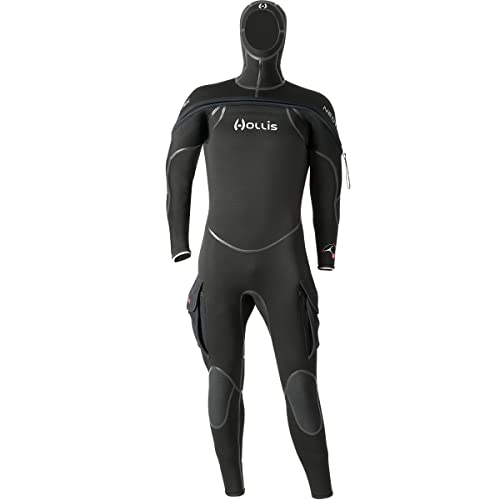
- Thick 8/7/6mm neoprene for cold-water diving
- ThermaSkin liner and internal dams for warmth
- Integrated hooded semi-dry design with front zipper
Best For: Cold-water scuba diving
Flexible Water Protection
O'Neill Men's Fluid 3mm Neoprene Drysuit

- 3mm Fluid Flex foam neoprene construction
- Dry seals and 100% waterproof design
- Loose upper with performance lower fit
Best For: Flexible protection for active water sports
Lightweight Paddling Protection

- Three-layer waterproof breathable nylon shell
- Adjustable latex seals and waist webbing
- Front zipper, integrated socks, and pockets
Best For: Adult paddlers and boaters in cold water
Warmth Layer for Divers

- Full-length zipper simplifies dressing
- Close fit layers under several suit types
- Hand-warmer pockets add comfort
Best For: Women divers needing a top-only undergarment
Cold-Water Insulation
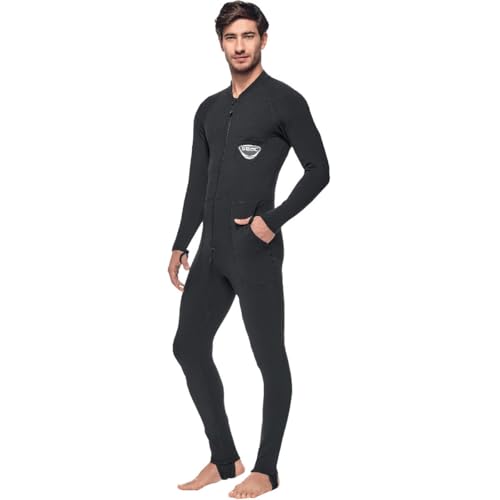
- Lightweight breathable two-layer design
- Water-repellent outer layer supports dryness
- Stirrups, double zipper, and zip pockets
Best For: Divers layering under a drysuit
Best with Extra Features

- Three-layer waterproof-breathable fabric
- Taped seams and waterproof front zipper
- Reinforced knees and seat
Best For: Offshore sailing and demanding cold-water conditions
Best Heavy-Duty Pick

- 5/4mm neoprene for cold water
- Flexible SuperStretch construction
- GBS seams reduce water entry
Best For: Cold-water surfing, diving, and snorkeling
Lightweight Coverage Pick

- Thin 0.5mm full-body coverage
- Quick-drying neoprene-spandex blend
- Zipper closure for easier changing
Best For: Warm-weather snorkeling and recreational water sports
Cold-Water Wetsuit – Lemorecn Men's 3mm Full Wetsuit
If you are comparing drysuits under 300 for general water sports, note that this Lemorecn is a 3mm full wetsuit rather than a true drysuit. It is designed for water temperatures of 55°F and above, combining neoprene insulation with flexible sleeves and practical abrasion protection.
Best For: Diving, snorkeling, surfing, swimming, and kayaking in moderately cool water.
Pros:
- 3mm neoprene helps retain body heat in water temperatures of 55°F and above.
- Back zipper, long pull rope, and adjustable Velcro support easier entry and a secure fit.
- Anti-abrasion knee pads, UV 50+ protection, and flatlock seams add practical versatility.
Cons:
- It is a wetsuit, not a waterproof drysuit for full immersion or severe weather.
- The listed 3mm construction may be less suitable for colder water than thicker suits.
This is a sensible budget option for recreational water activities where insulation and mobility matter more than drysuit-level waterproofing.
Offshore Protection – Men's Pro Waterproof Breathable Drysuit
Among drysuits under 300, this Pro Drysuit focuses on waterproof protection and durable sailing performance. Its three-layer breathable fabric, taped seams, waterproof zipper, and adjustable interior fit are aimed at demanding conditions on or around the water.
Best For: Offshore and inshore sailing, cold-water crossings, and active use in heavy spray or full immersion.
Pros:
- XPLORE+ three-layer fabric is waterproof, windproof, and breathable.
- Fully taped seams and a YKK Aquaseal front zipper help prevent water entry.
- Reinforced knees and seat, durable fabric socks, and a cargo pocket support practical use.
- Adjustable suspenders and a stretch waist provide a customizable fit.
Cons:
- The listed size is X-Large, so fit options may be limited for some shoppers.
- Glideskin neck and cuff seals may require trimming for a custom fit.
This is the strongest true drysuit option in the group for sailors who prioritize waterproof construction, breathability, and reinforcement over a lightweight recreational design.
Cold-Dive Insulation – Hollis NeoTek V2 Hooded Semi-Dry Suit
For shoppers researching drysuits under 300, the Hollis NeoTek V2 is better understood as a hooded semi-dry diving suit. Its thick 8/7/6mm neoprene, internal dams, and thermal liner emphasize warmth for demanding scuba conditions, though it is not presented as a fully waterproof drysuit.
Best For: Cold-water scuba diving where thick insulation and integrated hood coverage are priorities.
Pros:
- 8/7/6mm neoprene provides substantial insulation with compression-resistant and stretch sections.
- ThermaSkin inner liner is designed to support thermal comfort.
- Internal neck, wrist, and ankle dams help limit water circulation.
- G-lock horizontal front zipper includes an internal bib for added coverage.
Cons:
- It is a semi-dry suit, not a fully waterproof drysuit.
- The 8mm-thick construction may feel bulkier than thinner suits.
- The supplied listing is for XX-Large, which may not suit every diver.
Choose this model when cold-water diving insulation is the main concern and you prefer a hooded semi-dry neoprene design over a breathable shell drysuit.
Flexible Water Protection – O'Neill Men's Fluid 3mm Neoprene Drysuit
If you are searching for drysuits under 300, the O’Neill Fluid is a 3mm neoprene drysuit designed around flexibility and water resistance. Its loose upper fit, performance lower fit, dry seals, and fluid seam weld construction make it suited to active water use.
Best For: Water-sports users seeking a flexible 3mm neoprene suit with waterproof seals.
Pros:
- 3mm Fluid Flex foam neoprene balances insulation with mobility.
- Dry seals and a 100% waterproof construction help limit water entry.
- Fluid seam weld construction supports a sealed design.
- Loose upper and performance lower fit are intended to support movement.
Cons:
- The 3mm thickness may be less suitable for very cold conditions than thicker suits.
- The supplied sizing detail only specifies an X-Large fit range.
- Specific sport use and temperature ratings are not provided in the notes.
This model is a practical middle ground for users who want neoprene warmth and waterproof features without moving to a heavy, heavily insulated cold-water suit.
Lightweight Paddling Protection – Men's Lightweight Drysuit
For shoppers comparing drysuits under 300, this lightweight one-piece model is designed for paddling, fishing, boating, canoeing, rafting, touring, and sailing. Its three-layer nylon shell, waterproof front zipper, and integrated socks focus on keeping water out without adding unnecessary bulk.
Best For: Adult paddlers and boaters who need a lightweight drysuit for cold-water activities.
Pros:
- Three-layer waterproof, breathable nylon shell is designed for durability and abrasion resistance.
- Trimmable latex neck and wrist seals, adjustable cuffs, and waist webbing support a customized fit.
- Front-entry waterproof zipper, integrated three-ply socks, and multiple pockets add practical convenience.
Cons:
- Low-stretch fabric and relaxed fit may not suit shoppers seeking a close athletic cut.
- Latex components may require extra care and may not suit users with latex sensitivities.
This is the most complete outer-suit option in this roundup, combining water protection, adjustability, pockets, and integrated footwear. Check the sizing carefully, especially since the supplied listing specifies a large size.
Warmth Layer for Divers – Women's Arctic Drysuit Top
Fourth Element Arctic Women's Top Drysuit Undergarment for Scuba Diving, Large
Check Price On AmazonAmong drysuits under 300, this women’s Arctic top is an undergarment rather than a complete drysuit. It is intended for scuba divers who want a close-fitting polyester layer beneath neoprene, membrane, or trilaminate suits.
Best For: Women divers seeking a comfortable, easy-to-layer top for scuba sessions.
Pros:
- Full-length zipper is designed to make dressing and undressing easier.
- Low neckline and ergonomic, close-fitting design support comfort under a drysuit.
- Hand-warmer pockets provide warmth and a place for small essentials during breaks.
Cons:
- This is a top-only undergarment, not a waterproof drysuit.
- Its close-fitting design may require careful sizing when worn over additional layers.
Choose this piece when your priority is layering comfort and warmth rather than standalone water protection. The large-size listing and women’s fit make sizing confirmation especially important before purchase.
Cold-Water Insulation – SEAC Unifleece Undergarment
For shoppers researching drysuits under 300, the SEAC Unifleece is an insulating undergarment for diving, not a standalone drysuit. Its lightweight two-layer construction is designed to provide warmth beneath a dry suit while the outer layer helps repel water.
Best For: Divers who need a lightweight insulating layer for cold-water drysuit use.
Pros:
- Lightweight, breathable two-layer construction supports warmth in cold environments.
- Double-ended front zipper makes putting it on and taking it off quicker.
- Ankle stirrups help prevent bunching, while zippered pockets provide gear storage.
Cons:
- It is an undergarment rather than a complete drysuit or waterproof outer shell.
- The supplied listing specifies a medium size, so fit availability may be limited.
This is a practical choice for divers who already own a drysuit and want a dedicated insulation layer. The polyester-spandex fabric and stirrups emphasize movement and layering, while the pockets add useful functionality.
Best with Extra Features – Men's Pro Drysuit
For shoppers comparing drysuits under 300, this men’s Pro Drysuit is built for serious sailing and demanding conditions. Its three-layer waterproof-breathable fabric, windproof construction, taped seams, and waterproof front zipper provide comprehensive protection for offshore or inshore use.
Best For: Sailing, cold-water crossings, stormy conditions, and users who need full waterproof protection.
Pros:
- Waterproof, windproof, and breathable three-layer XPLORE+ fabric
- PFAS-free water-repellent technology and fully taped seams
- Reinforced knees and seat improve durability in high-wear areas
- Adjustable suspenders, stretch waist, fabric socks, and cargo pocket add practical comfort
Cons:
- Regular fit and size-specific construction may require careful sizing
- Designed for demanding sailing use, so it may be more coverage than casual users need
This is the strongest match for buyers specifically seeking a true drysuit under 300 with robust weather protection. The waterproof zipper, seals, and reinforced construction make it particularly suitable for rough marine environments.
Best Heavy-Duty Pick – Men's 5mm Full Wetsuit
Although it is a wetsuit rather than a drysuit, this 5mm full-body model is worth considering when comparing drysuits under 300 for surfing or diving. Its 5/4mm neoprene construction is rated for water as cold as 44°F and combines insulation with flexible movement.
Best For: Cold-water surfing, diving, snorkeling, and water activities where neoprene warmth and flexibility matter.
Pros:
- 5/4mm construction provides insulation in cold water
- SuperStretch neoprene supports a broad range of motion
- Glued-and-blind-stitched GBS seams help reduce water entry
- Includes a key loop and durable full-body design
Cons:
- It is not a fully waterproof drysuit, so water contact is expected
- Requires cold-water hand washing and flat air drying
- New garments may have a temporary odor when unpacked
This suit is better viewed as a warm, flexible alternative for immersion sports rather than a substitute for a sailing drysuit. The thick neoprene and sealed seams make it a practical choice when insulation is the priority.
Lightweight Coverage Pick – Full-Body Dive Skin
For shoppers browsing drysuits under 300 who mainly want lightweight coverage, this full-body dive skin offers a thinner alternative. The 0.5mm neoprene, nylon, polyester, and spandex construction provides long-sleeve coverage for sun, scrapes, and stings during water activities.
Best For: Snorkeling, kayaking, surfing, diving, and warm-weather protection where quick drying is useful.
Pros:
- Full-body, long-sleeve coverage helps protect against sun, scrapes, and stings
- Quick-drying material improves comfort in and out of the water
- Zipper closure supports easier dressing and an adjustable fit
- Lightweight 0.5mm design suits a range of water sports
Cons:
- Thin construction provides less insulation than a 5mm wetsuit
- Listed in a large size with specific chest and waist measurements
- It is a dive skin, not a fully waterproof drysuit
This is the most lightweight and versatile option of the three, but it should not be chosen for extreme cold or full waterproofing. Its main strengths are coverage, quick drying, and easy use across several recreational water sports.
How We Picked the Best Drysuits Under 300
We evaluated the selected products by intended activity, water protection, insulation, mobility, construction, and overall practicality at their typical price point. We also separated full drysuits from wetsuits, semi-dry suits, base layers, and dive skins, since these products offer different levels of protection.
For Drysuits Under 300, value is not just about the lowest price. A useful option should match the conditions you expect, provide enough room for movement and layers, and include features that support easier entry, adjustment, and maintenance.
Quick Comparison
| Best For | Look For | Product Type |
|---|---|---|
| Paddling and boating | Waterproof shell, sealed openings, mobility | Full drysuit |
| Cold-water diving | Thicker neoprene and thermal protection | NeoTek or semi-dry suit |
| Layering under a drysuit | Insulation and moisture management | Undergarment |
| Warm-water diving and surfing | Stretch, coverage, and thermal flexibility | Wetsuit or dive skin |
Key Buying Factors for Drysuits Under $300
Waterproofing and Seals
Look for sealed seams and secure neck, wrist, and ankle openings. A waterproof shell is more suitable for paddling or boating than a standard wetsuit, which reduces heat loss but is designed to let in some water.
Insulation and Layering
Shell drysuits generally need thermal layers underneath. Fleece or technical undergarments can improve warmth without restricting movement. Neoprene suits provide built-in insulation but may be bulkier and less adaptable across temperatures.
Fit and Mobility
Check the size chart and allow room for normal clothing or a dedicated undergarment. Shoulder, seat, and leg mobility are especially important for kayaking, rafting, sailing, and fishing. Avoid a fit that creates excessive folds around seals.
Durability and Maintenance
Reinforced panels, quality zippers, and abrasion-resistant fabrics matter when kneeling, scrambling, or handling equipment. Rinse suits after use, dry them fully, and follow the manufacturer’s storage and zipper-care instructions.
Who Should Buy Which Drysuits Under 300?
Choose a Full Drysuit for Active Water Sports
Paddlers, boaters, rafters, and anglers who regularly face cold spray or immersion should prioritize a true waterproof drysuit with adjustable seals and enough room for insulation.
Choose a Neoprene or Semi-Dry Suit for Cold-Water Diving
Divers may prefer thicker neoprene or a hooded semi-dry design for thermal protection and reduced flushing. Confirm thickness, hood coverage, and compatibility with the rest of your dive gear.
Choose an Undergarment for Layering Flexibility
If you already own a shell drysuit, an insulating fleece or technical underlayer may deliver more useful warmth than replacing the suit. Select one that fits comfortably beneath your outer shell.
Choose a Wetsuit or Dive Skin for Warmer Conditions
Wetsuits and dive skins are better suited to surfing, snorkeling, swimming, and warm-water diving where full waterproof protection is unnecessary. Prioritize stretch, coverage, sun protection, and easy movement.