The best drysuits for travel protect you from cold water, wind, and spray without taking over your luggage. The right model balances waterproofing, breathability, mobility, and packability for your planned activities.
Our roundup covers lightweight paddling suits, reinforced designs for frequent use, and insulated semi-dry options for colder conditions. Use the guide below to compare features before choosing a suit for your next trip.
Best 10 Drysuits for Travel Picks for 2026
Offshore Performance

- Three-layer waterproof-breathable nylon shell
- Fully taped seams and waterproof front zipper
- Reinforced seat and knees for durability
Best For: Offshore sailing and demanding cold-water use
Warmth-Focused Diving
Hollis NeoTek V2 Hooded Semi-Dry Suit
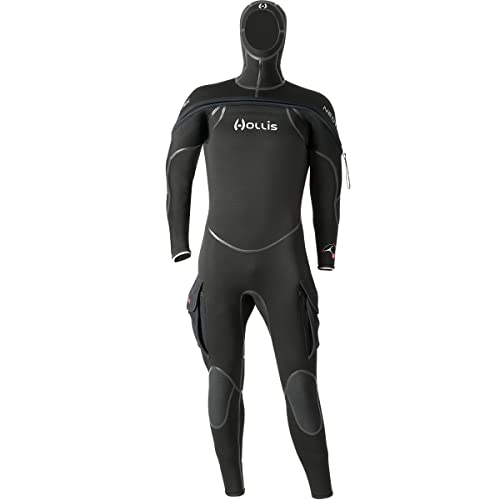
- 8/7/6mm compression-resistant neoprene
- ThermaSkin liner for added warmth
- Internal dams reduce water entry
Best For: Cold-water scuba diving
Kayak Touring Utility
Men's Cold-Water Kayaking Drysuit

- Three-layer waterproof breathable nylon
- Removable hood and fabric socks
- Relaxed fit for thermal layers
Best For: Kayaking, rafting, and cold-water touring
Lightweight Neoprene Coverage
O'Neill Fluid 3mm Neoprene Drysuit

- 3mm Fluid Flex foam neoprene
- Dry seals and fluid seam weld
- Loose upper with performance lower fit
Best For: Boating and moderate cold-water watersports
Lightweight Expedition Pick

- Three-layer waterproof breathable nylon shell
- Adjustable latex seals and waist fit
- Integrated socks plus multiple pockets
Best For: Cold-water paddlers and travelers prioritizing low weight and storage
Best for Everyday Use

- XPLORE+ waterproof breathable three-layer fabric
- Reinforced knees and seat for durability
- Waterproof zipper and adjustable suspenders
Best For: Sailors and offshore travelers facing demanding weather
Extra-Roomy Cold-Water Pick
- Lightweight three-layer waterproof shell
- Relaxed 3X-Large fit for layering
- Pockets, integrated socks, and adjustable cuffs
Best For: Larger-framed travelers wearing layers for paddling or rafting
Cold-Water Protection Pick
PKEDW Men's Front-Zip Dry Suit

- Breathable three-layer waterproof fabric
- Integrated socks and latex gaskets
- Reinforced knees and seat
Best For: Cold-water kayaking, sailing, paddling, and rafting trips
Lightweight Touring Pick
Men's Lightweight Paddling Drysuit
- Lightweight 2.6-pound construction
- Adjustable seals and waist fit
- Integrated socks and multiple pockets
Best For: Travelers packing for paddling and multi-activity water trips
Heavy-Duty Travel Pick
PKEDW Men's XL Front-Zip Dry Suit
- XL regular-fit design
- Reinforced knees and seat
- Water-tested, integrated-sock construction
Best For: Larger travelers needing durable cold-water coverage
Offshore Performance – Men's Pro Drysuit
For travelers planning demanding sailing trips or cold-water crossings, this option stands out among drysuits for travel with a waterproof, breathable three-layer nylon construction. Fully taped seams, a waterproof YKK Aquaseal front zipper, and adjustable seals provide substantial protection in spray and immersion.
Best For: Offshore sailing, inshore watersports, and extended exposure to severe weather.
Pros:
- Waterproof, windproof, and breathable XPLORE+ three-layer fabric
- PFAS-free water-repellent technology and fully taped seams
- Reinforced knees and seat support demanding use
- Adjustable suspenders, stretch waist, cargo pocket, and durable fabric socks
Cons:
- At 3 pounds, it may be less packable than lighter travel shells
- Listed in a regular fit and only supplied here in X-Large
This is a rugged, feature-rich choice when protection and durability matter more than minimal luggage weight. The front zipper and customizable neck and cuff seals are especially useful for active days on deck.
Warmth-Focused Diving – Hollis NeoTek V2 Hooded Semi-Dry Suit
Traveling for cold-water scuba diving calls for insulation as well as water protection. The Hollis NeoTek V2 uses an 8/7/6mm mix of neoprene, a ThermaSkin inner liner, and internal neck, wrist, and ankle dams for a warmer semi-dry setup.
Best For: Cold-water scuba divers who prioritize thermal protection and a hooded full-body design.
Pros:
- Thick 8/7/6mm neoprene balances insulation and flexibility
- ThermaSkin inner liner adds warmth
- Internal dams at the neck, wrists, and ankles help limit water entry
- G-lock horizontal front zipper includes an internal bib
Cons:
- Thicker neoprene can be bulkier to pack than lightweight shell suits
- Designed as a semi-dry suit rather than a fully waterproof shell
- Only the XX-Large size is specified in the supplied listing
With its substantial neoprene construction and integrated hooded format, this suit favors warmth over compact packing. It is a specialized travel pick for divers heading into colder water.
Kayak Touring Utility – Men's Cold-Water Kayaking Drysuit
For paddling trips where packable protection and practical storage are priorities, this model is a versatile choice among drysuits for travel. Its three-layer nylon shell, taped seams, removable hood, and fabric socks are designed for kayaking, rafting, touring, and other cold-water activities.
Best For: Kayak touring, rafting, paddling, and boating in cold water.
Pros:
- Waterproof breathable three-layer nylon with fully taped seams
- Removable, stowable hood and fabric socks support changing conditions
- Rear entry and relief zipper improve practical access
- Relaxed fit accommodates thicker thermal layers
Cons:
- Hand-wash-only care may be less convenient while traveling
- Latex neck and wrist gaskets may require careful maintenance
- Rear-entry design can be harder to manage without assistance
The relaxed cut and adjustable waist make this a useful layering shell for multi-day water trips. Removable components and two splashproof thigh pockets add travel-friendly versatility without relying on a separate outer shell.
Lightweight Neoprene Coverage – O'Neill Fluid 3mm Neoprene Drysuit
The O’Neill Fluid 3mm is a straightforward option for boating travelers who want full-body neoprene coverage without the thickness of a heavy cold-water suit. Its dry seals, smooth skin finish, and fluid seam weld are intended to support waterproof performance on the water.
Best For: Boating and watersports in conditions suited to a 3mm neoprene suit.
Pros:
- 3mm Fluid Flex foam neoprene offers flexible full-body coverage
- Dry seals and fluid seam weld support waterproof protection
- Loose upper fit paired with a performance lower fit
Cons:
- Less insulating than the 8/7/6mm Hollis suit for very cold water
- Neoprene construction may be bulkier than a lightweight fabric shell
- Supplied sizing information is limited to X-Large
This suit keeps the design relatively simple for boating-focused travel. Choose it when 3mm neoprene coverage suits your conditions and you prefer a flexible full-body format over a technical shell with extensive storage.
Lightweight Expedition Pick – Men’s Lightweight Drysuit
For travelers comparing drysuits for travel, this lightweight one-piece suit offers a practical balance of water protection, adjustability, and storage for paddling, fishing, boating, rafting, and sailing. Its three-layer nylon shell is designed for durability while keeping the overall garment light.
Best For: Cold-water paddlers and travelers who want a lightweight suit with integrated socks and useful pockets.
Pros:
- Three-layer waterproof, breathable nylon shell with abrasion resistance.
- Trimmable latex neck and wrist seals, adjustable waist webbing, and hook-and-loop cuffs support a customized fit.
- Front-entry waterproof zipper, integrated three-ply socks, sleeve pockets, and an inner chest pocket add practical convenience.
Cons:
- Latex seals may require trimming for the desired fit.
- The relaxed XX-Large sizing may not suit shoppers seeking a close athletic fit.
This is a versatile travel-oriented option when low weight and storage features matter. The relaxed fit and adjustable closures also leave room for layering in colder conditions.
Best for Everyday Use – Men’s Pro Drysuit
Among drysuits for travel, this medium-weight Pro model is aimed at demanding sailing conditions. Its XPLORE+ three-layer fabric combines waterproof, breathable, windproof, and PFAS-free water-repellent construction with reinforced areas for extended use on rough decks.
Best For: Sailors and offshore travelers who need robust weather protection and a secure fit for demanding conditions.
Pros:
- Fully taped seams and a YKK Aquaseal waterproof front zipper help limit water entry.
- Reinforced knees and seat improve durability in high-wear areas.
- Adjustable suspenders, stretch waist, durable fabric socks, and a low-profile thigh pocket support active use.
Cons:
- Medium-weight construction may pack less compactly than a lightweight travel suit.
- The regular-fit Large is less adjustable than a relaxed-cut design.
- The design is focused on sailing and may be more specialized than casual water-sport travelers need.
Choose this model when durability and storm protection take priority over minimum packed size. Its reinforced construction and adjustable interior are well suited to long days on deck.
Extra-Roomy Cold-Water Pick – Men’s Lightweight Drysuit
This lightweight one-piece suit is a practical candidate for drysuits for travel when you need broad activity coverage and room for layering. It is designed for canoeing, kayaking, paddling, rafting, and other water sports, with a waterproof breathable nylon shell and integrated socks.
Best For: Larger-framed travelers seeking a relaxed, lightweight suit for cold-water paddling and rafting.
Pros:
- Three-layer nylon laminate is waterproof, breathable, lightweight, and abrasion resistant.
- Adjustable waist, hook-and-loop wrist and ankle cuffs, and trimmable latex seals help personalize the fit.
- Front-entry waterproof zipper, three-ply socks, sleeve pockets, and an inner chest pocket improve usability.
Cons:
- The 3X-Large relaxed fit may be too roomy for smaller users.
- The fabric is listed as having no stretch, so sizing and layering need careful consideration.
- Latex components may not suit users who need latex-free gear.
With its lightweight build and 3X-Large relaxed sizing, this version is particularly useful for travelers who need extra room over insulating layers. Confirm measurements before packing it for a trip.
Cold-Water Protection Pick – PKEDW Men's Front-Zip Dry Suit
For travelers who need drysuits for travel to kayaking, sailing, or rafting destinations, this PKEDW one-piece suit combines a breathable three-layer fabric with integrated waterproof socks. Its front zipper, adjustable waist, and reinforced seat and knees make it a practical option for active cold-water use.
Best For: Cold-water travelers seeking a durable, front-entry dry suit for kayaking, sailing, paddling, or rafting.
Pros:
- Three-layer waterproof, breathable fabric is designed for extended cold-water use.
- Latex neck and wrist gaskets plus integrated waterproof socks help limit water entry.
- Reinforced knees and seat add abrasion resistance for demanding activities.
- Chest pocket with key lanyard provides protected storage for small essentials.
Cons:
- Hand-wash care may be less convenient for frequent travelers.
- The listed medium size and regular fit may require careful sizing before purchase.
Individually water-tested construction, self-entry front access, and adjustable fit details give this suit a well-rounded travel profile. It is especially appealing when durability and cold-water coverage matter more than ultra-light packing.
Lightweight Touring Pick – Men's Lightweight Paddling Drysuit
Among drysuits for travel, this lightweight one-piece option is designed for paddling, fishing, boating, canoeing, rafting, touring, and sailing. The three-layer nylon shell, adjustable seals, and front waterproof zipper balance packability-focused weight with coverage for cold-water outings.
Best For: Travelers who prioritize a lightweight, relaxed-fit dry suit with adjustable cuffs and multiple pockets.
Pros:
- Listed at 2.6 pounds with a lightweight three-layer nylon shell.
- Front-entry waterproof zipper supports easier dressing and relief access.
- Adjustable waist, wrist, and ankle features help customize the fit.
- Integrated three-ply socks and inner and sleeve pockets add practical utility.
Cons:
- The fabric is listed as having no stretch.
- Latex components may require consideration for travelers with latex sensitivities.
- Machine-wash instructions should still be checked against the manufacturer’s care guidance.
Its lower listed weight, relaxed fit, and storage pockets make it a useful choice for multi-activity water trips. The guaranteed fill-test claim adds reassurance, while the adjustable design helps accommodate layering.
Heavy-Duty Travel Pick – PKEDW Men's XL Front-Zip Dry Suit
For larger travelers comparing drysuits for travel, this XL PKEDW suit offers the same cold-water-oriented construction as the model’s standard version, including breathable three-layer fabric, integrated socks, and reinforced high-wear areas. Its front zipper and adjustable waist support movement during kayaking, sailing, and paddling.
Best For: XL-size travelers needing a heavier-weight, reinforced dry suit for demanding cold-water activities.
Pros:
- Reinforced knees and seat are designed to withstand abrasion.
- Latex gaskets, neoprene accents, and integrated socks help support a dry seal.
- Front zipper allows self-entry, while the waist and overskirt adjust for fit.
- Individually water-tested construction is intended to provide leak-proof performance.
Cons:
- Listed as heavyweight, which may be less convenient for lightweight packing.
- Hand-wash care can add maintenance work during extended travel.
- At 2.9 pounds, it is heavier than the listed lightweight alternative.
This model is a sensible option when abrasion resistance and a roomy XL fit take priority over minimum luggage weight. The streamlined cut, front entry, and water-resistant zipper flaps help keep it practical for active travel days on cold water.
How We Picked the Best Drysuits for Travel
We focused on the features that matter most when a drysuit must perform on the water and travel efficiently. Our evaluation criteria included waterproof construction, seam sealing, breathable materials, entry design, mobility, durability, and the ability to layer underneath. We also considered whether each suit is suited to paddling, kayaking, sailing, fishing, rafting, or broader cold-water use.
Because travel needs vary, the selection includes both lightweight shells and warmer neoprene-based designs. Check the product specifications carefully, since a drysuit’s included socks, hood, suspenders, and insulation can vary considerably.
Quick Comparison
| Best for | Prioritize | Trade-off |
|---|---|---|
| Air travel and touring | Lightweight fabric and compact packing | May need separate thermal layers |
| Cold-water paddling | Waterproof shell, wrist seals, and layering room | Can feel warmer or bulkier |
| Frequent use | Reinforced knees, seat, and durable closures | Usually heavier and less packable |
| Maximum warmth | Neoprene construction or generous insulation space | Slower drying and greater luggage volume |
Key Buying Factors for Drysuits for Travel
Waterproofing and Breathability
Look for fully sealed seams, reliable waterproof zippers, and adjustable neck and wrist seals. Breathable fabric helps release moisture during active paddling, but it does not replace proper base layers or ventilation.
Weight and Packability
For flights and multi-day trips, choose a suit that compresses reasonably without damaging seals or zippers. Pack it loosely, avoid sharp folds, and allow it to dry completely before storage.
Fit and Layering
A travel drysuit should allow unrestricted arm and leg movement while leaving room for insulating layers. A tight fit can limit mobility and compromise comfort; an overly loose fit may create drag and snag hazards. Consult the manufacturer’s size chart and measure with the layers you expect to wear.
Durability and Construction
Reinforced knees and seat are valuable for kayaking, rafting, and launching from rough surfaces. Front-entry designs can simplify self-dressing, while back-entry suits may offer a cleaner fit. Inspect latex or neoprene seals regularly and confirm replacement-part availability.
Who Should Buy Which Drysuits for Travel?
Choose a lightweight breathable shell if you fly often, paddle in changing weather, or prefer adjusting warmth with separate layers. A reinforced suit is a better choice for frequent kayaking, fishing, rafting, or shore-based activity where abrasion is likely. For colder water, select a neoprene or semi-dry design with enough room for insulation, while warmer-weather travelers may prefer a less bulky shell.
Before buying, confirm the suit’s intended water temperature, entry style, footwear compatibility, and care requirements. The best option is the one that fits securely, supports your activity, and remains practical to carry between destinations.