A camping power station with wireless charging adds one less cable to manage when you’re off-grid. It keeps phones, earbuds, and other Qi-compatible devices topped up while also powering lights, laptops, and small appliances.
Below, we focus on practical options for different trip lengths, power needs, and budgets so you can choose a model that fits how you camp, travel, and prep for outages.
Best 10 Camping Power Station with Wireless Charging Picks for 2026
Compact Camping Power Hub
N300 Portable Power Station with 25W Wireless Charging

- 25W Qi2.2 wireless charger built in
- 256Wh LiFePO4 battery with 300W output
- <10ms UPS and Bluetooth/Wi-Fi app control
Best For: Campers who want a compact, cable-light backup for phones and small devices
High-Capacity Travel Pack
Renogy 266Wh 12V Power Bank with Wireless Charging

- 266Wh battery with 10W wireless pad
- 60W USB-C PD and multiple device support
- DC output designed for select CPAP models
Best For: Users who want a portable battery pack for camping, CPAP, and phone charging
Full-Size Camping Backup
Jackery Explorer 1000 v2 High-Output Power Station

- 1,070Wh LiFePO4 battery with 1,500W AC output
- One-hour emergency charge mode via app
- Multiple ports for appliances and devices
Best For: Campers and households needing high-output backup without wireless charging
Budget Camp Companion
EBL 330W Power Station with Wireless Pad
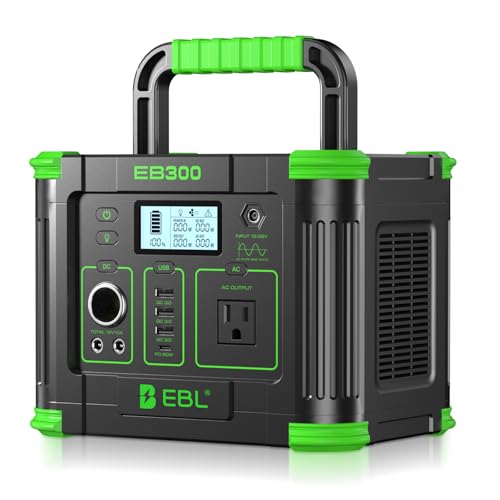
- 288.6Wh battery with 330W rated output
- 5W wireless charging pad for phones
- LED light and SOS mode for emergencies
Best For: Budget buyers who want compact camping backup with wireless charging
Ultra-light camping pick
Jackery Explorer 300 292Wh LiFePO4

- 7.5-lb portable design
- 292Wh, 300W output
- LiFePO4, 4,000+ cycles
Best For: Light campers needing a compact, durable power station
Wireless-friendly group-trip pick
BLAVOR 236.8Wh Fast Charge Station

- 15W Qi wireless charging
- Two 100W USB-C ports
- Built-in 360° camping light
Best For: Campers wanting wireless charging and easy multi-device use
Budget utility pick
220Wh 300W Portable Power Station
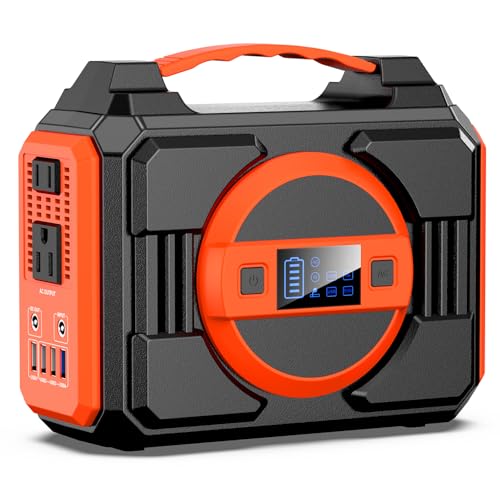
- 5-lb compact build
- 7 outputs, pure sine wave
- Large rear LED light
Best For: Budget campers wanting a compact, quiet backup station
Heavy-Duty All-Rounder

- 1000W output with 999Wh capacity
- 10W wireless charging plus USB-C and DC ports
- Solar-ready with pass-through charging
Best For: Campers and RV users needing high-capacity backup power
Compact Camping Power Hub – N300 Portable Power Station with 25W Wireless Charging
If you want a camping power station with wireless charging that keeps gear simple, the N300 is built around convenience and portability. Its 256Wh LiFePO4 battery, 300W AC output, and 25W Qi2.2 wireless pad make it a practical pick for tents, travel, and light backup use.
Best For: Campers and travelers who want a small, cable-light power station for phones, laptops, and essential devices.
Pros:
- 25W wireless charging reduces cable clutter at camp or on a desk.
- 250W bidirectional AC input can recharge it in about 1.5 hours.
- 300W output with 500W P-Boost covers small appliances and electronics.
- Under-10ms UPS support helps keep CPAPs or routers running during outages.
Cons:
- 256Wh capacity is better for essentials than for heavy appliance use.
- Wireless charging is limited to the built-in pad, not a higher-watt charging surface.
The N300 makes sense if your priority is fast setup, easy phone charging, and a compact form factor. For lightweight camping and short backup needs, it offers a good mix of modern features without adding much bulk.
High-Capacity Travel Pack – Renogy 266Wh 12V Power Bank with Wireless Charging
This camping power station with wireless charging is really a large-format power bank, so it suits users who care more about DC and USB device charging than AC outlets. With 266Wh capacity, 60W USB-C PD, and a 10W wireless pad, it is aimed at camping, CPAP use, and portable backup for gear like laptops and phones.
Best For: Campers, CPAP users, and travelers who need high-capacity USB, DC, and wireless charging in one portable pack.
Pros:
- 266Wh capacity can run up to 5 devices simultaneously.
- 60W USB-C PD supports laptop charging and faster phone top-ups.
- 10W wireless charging helps cut down on loose cables.
- DC 12V/15A output is tailored to specific CPAP models and other 12V gear.
Cons:
- No AC plug, so it is not a traditional power station layout.
- CPAP use requires a separate adapter for compatible models.
- Wireless charging is limited to phones, not earbuds or smartwatches.
For buyers who mainly need a portable battery pack with strong USB-C and DC capability, Renogy’s unit is a focused solution. It is less versatile than an AC-based station, but its capacity and wireless pad make it useful for off-grid trips and backup use.
Full-Size Camping Backup – Jackery Explorer 1000 v2 High-Output Power Station
The Jackery Explorer 1000 v2 is a larger camping power station for buyers who need much more output than a typical wireless-charging model provides. It does not include wireless charging, but its 1,070Wh LiFePO4 battery, 1,500W AC output, and one-hour emergency charge mode make it a strong choice for camping, RV use, and home backup.
Best For: Campers and homeowners who need a high-output, long-life power station for bigger appliances and extended backup.
Pros:
- 1,070Wh capacity and 1,500W output can handle demanding devices.
- One-hour emergency charging mode is useful when time matters.
- LFP battery is rated for over 4,000 cycles and 10+ years of use.
- Multiple ports, including two USB-C ports and three AC outlets, support several devices at once.
Cons:
- It does not offer wireless charging.
- At 23.8 lbs, it is less compact than smaller camping units.
- Solar charging is limited to Jackery solar panels only.
If you want more output and battery life than a smaller camping power station with wireless charging can provide, this Jackery is the more capable option. It trades the convenience feature for stronger appliance support and broader backup usefulness.
Budget Camp Companion – EBL 330W Power Station with Wireless Pad
If you are shopping for a camping power station with wireless charging on a tighter budget, the EBL EB300 keeps the formula simple and portable. Its 288.6Wh battery, 330W rated output, and 5W wireless charging pad make it a handy choice for small devices, emergency lighting, and casual outdoor use.
Best For: Budget-minded campers and emergency-kit buyers who want compact backup power and a wireless charging pad.
Pros:
- 5W wireless charging pad adds convenient phone charging.
- 288.6Wh battery and 330W output suit small electronics and CPAP use.
- Multiple recharging options include wall, car, and solar input.
- Built-in LED light and SOS mode add outdoor and emergency utility.
Cons:
- 5W wireless charging is slower than higher-watt pads.
- 330W output is limited for larger appliances.
The EB300 is a practical all-around pick if you want wireless charging without paying for a larger power system. It is best viewed as a compact support station for camping, roadside, and blackout scenarios rather than a heavy-duty power source.
Ultra-light camping pick – Jackery Explorer 300 292Wh LiFePO4
If you want a camping power station with wireless charging in the broader sense of keeping your gear powered without hassle, the Jackery Explorer 300 is a compact, easy-to-carry option for tents, road trips, and backup use. It focuses on lightweight portability, solid 300W output, and fast solar recharging rather than built-in wireless charging, so it fits campers who value dependable plug-in power in a small footprint.
Best For: Campers who want a lightweight, durable power station for phones, laptops, cameras, and CPAP use.
Pros:
- Only 7.5 lbs, making it easy to pack and carry on hikes or campsite setups
- 292Wh capacity with 300W rated output and multiple ports for up to 6 devices
- LiFePO4 battery chemistry is rated for over 4,000 charge cycles
- Can reach 80% in about 2.8 hours with a 100W solar panel
Cons:
- No built-in wireless charging pad
- Wireless power users will need a separate charging accessory
- Single-unit capacity is best for light to moderate device loads
This is a strong pick if portability and battery longevity matter more than extra features. It’s best suited to buyers who want a trusted small power station for camping and emergency backup with simple, efficient charging options.
Wireless-friendly group-trip pick – BLAVOR 236.8Wh Fast Charge Station
The BLAVOR portable power station stands out for campers who want a camping power station with wireless charging built in, plus fast USB-C charging and useful campsite lighting. With 236.8Wh of capacity, 15W Qi wireless charging, and enough ports to power multiple devices at once, it’s a practical choice for family trips, RV stays, and emergency prep.
Best For: Campers who want built-in wireless charging and multi-device flexibility in a compact unit.
Pros:
- Includes 15W wireless charging for Qi-compatible phones and accessories
- Two 100W USB-C bidirectional ports support fast charging and quick recharge options
- Can charge up to 5 devices simultaneously with 2 USB-C and 2 USB-A ports
- Built-in 360° camping light with 3 warm adjustable lighting modes
Cons:
- Solar panel is not included
- Wireless charging is limited to Qi-compatible devices
- Smaller capacity than larger base-camp power stations
If wireless charging is a must-have feature, this BLAVOR model is the most directly relevant option here. It combines convenience features with rugged protection and compact power, making it especially handy for shared campsite use.
Budget utility pick – 220Wh 300W Portable Power Station
This portable power station is a straightforward choice for buyers looking for a camping power station with wireless charging potential through add-on accessories rather than a built-in pad. It emphasizes compact size, seven output options, pure sine wave AC power, and quiet operation, making it a practical everyday backup for camping, travel, and home outages.
Best For: Budget-minded campers who want a compact power station with lots of outputs and quiet operation.
Pros:
- Lightweight 5 lb design is easy to move and pack
- 220Wh battery with 300W rated output and 7 total outputs
- Pure sine wave AC outlets are better suited for sensitive devices
- Includes a large rear LED light for campsite or outage use
Cons:
- No built-in wireless charging pad
- Capacity is modest compared with larger camping stations
- Solar panel charging is optional and not included
For shoppers who mainly want affordable, simple backup power, this model covers the essentials well. It’s especially appealing if you value light weight, multiple ports, and a quiet design more than premium extras.
Heavy-Duty All-Rounder – EBL 1000W 999Wh Power Station
If you want a camping power station with wireless charging that can also handle backup duty at home, this EBL model stands out for its higher 1000W output and 999Wh capacity. It gives you a practical mix of AC power, USB charging, DC outputs, and a 10W wireless pad, so you can keep phones and campsite essentials powered without carrying extra adapters.
Best For: Campers, RV users, and households that want a higher-capacity portable power station with wireless charging.
Pros:
- 1000W continuous output and 999Wh capacity for small appliances, tools, and electronics
- Includes a 10W wireless charger plus USB-C, USB-A, AC, and DC ports
- Supports solar charging and pass-through charging for flexible off-grid use
- Built-in BMS, cooling fan, SOS light, and folding handle for safer, easier transport
Cons:
- Heavier than smaller grab-and-go units at 17.86 lbs
- Only one AC outlet, so plug layout is more limited than multi-AC stations
This is the strongest pick here if you need more serious output along with wireless charging. It is best viewed as a versatile power hub for camping trips, RVs, and emergency backup rather than a lightweight travel charger.
Lightweight Travel Pick – 330W 288.6Wh Power Station
This camping power station with wireless charging is a good fit when portability matters more than raw wattage. At just 7.94 lbs, it combines a 330W pure sine wave outlet, a 60W USB-C PD port, and a 5W wireless pad in a compact body that is easier to pack for camping, RV trips, and blackout backup.
Best For: Travelers who want a lightweight portable power station with wireless charging and a strong USB-C port.
Pros:
- Very portable at 7.94 lbs with a rugged carry handle
- 330W pure sine wave AC output is suitable for sensitive electronics
- 5W wireless charging pad plus 60W USB-C PD for modern devices
- Three recharge options, including solar input with MPPT optimization
Cons:
- Lower capacity than the larger 999Wh option
- 5W wireless charging is basic rather than fast
If you want a compact unit that is easy to move and still covers the essentials, this is a smart choice. It balances useful ports, solar flexibility, and a true lightweight build for short trips and emergency use.
Balanced Compact Choice – GRECELL 330W 288Wh Power Station
For buyers comparing a camping power station with wireless charging, this GRECELL unit lands in the practical middle ground. It offers 288.6Wh capacity, a 330W AC outlet, and a 5W wireless charging pad, while staying light enough for camping, road trips, and emergency use.
Best For: Campers and families who want a compact portable power station with wireless charging and simple multi-port support.
Pros:
- 288.6Wh capacity with 330W output for everyday devices under 330W
- Includes a 5W wireless pad plus USB-A, USB-C, DC, and car socket options
- Supports wall, car, and solar recharging for flexible use
- Lightweight build with handle and LED flashlight for convenience
Cons:
- Wireless charging is limited to 5W
- Much lower output than larger stations for appliance-heavy use
This is a sensible pick if you want a straightforward portable charger without stepping up to a much larger station. It is especially appealing for users who value versatility, compact size, and a simple wireless charging pad.
How We Picked the Best Camping Power Station with Wireless Charging
We looked for models that combine useful battery capacity, dependable output, and built-in wireless charging in a compact, camp-friendly design. Priority went to units with clear port selection, modern battery chemistry where available, and enough AC or USB-C output to cover common outdoor gear.
We also considered portability, charging flexibility, and whether the unit makes sense for short weekend trips versus longer stays or emergency use.
Quick Comparison
Smaller units are best for phones, lights, cameras, and light laptop use, while mid-size models handle more demanding weekend setups. Larger-capacity stations are a better fit if you want to run CPAP machines, multiple devices at once, or keep backup power ready at home.
If wireless charging is your main convenience feature, compare the pad wattage, since faster wireless output can make a noticeable difference for daily device top-offs.
Key Buying Factors for a Camping Power Station with Wireless Charging
Battery Capacity
Capacity, measured in watt-hours, determines how long the station can run your gear. For basic camping needs, a smaller unit may be enough. For extended trips or heavier loads, choose a larger battery to avoid frequent recharging.
Output Types and Power Limits
Check the AC watt rating, USB-C power delivery, and DC ports against the devices you actually use. A Camping Power Station with Wireless Charging is most useful when the rest of the output setup matches your real-world load.
Wireless Charging Speed
Wireless pads vary from modest to faster smartphone-friendly output. Look for a stable charging surface and confirm that your device supports the wireless standard the station provides.
Recharge Options
Fast wall charging, car charging, and solar input all matter if you camp frequently. More recharge flexibility means less downtime between uses.
Portability and Use Case
Smaller stations are easier to carry to campsites and tailgates, while larger ones are better as all-purpose backup power. Balance weight with how much power you truly need.
Who Should Buy Which Camping Power Station with Wireless Charging?
If you want the lightest setup for phones and small essentials, choose a compact model with wireless charging and a few reliable USB ports. If you camp with laptops, CPAP gear, or multiple devices, move up to a mid-size or high-capacity station.
For emergency preparedness, prioritize higher capacity, stronger AC output, and fast recharge support. For casual campers, convenience and portability usually matter more than maximum runtime.