When weather turns fast, a reliable camping emergency shelter can make all the difference. The best options pack small, set up quickly, and help trap body heat when conditions get wet, windy, or cold.
In this roundup, we focus on practical emergency shelters for hikers, campers, roadside kits, and survival bags so you can choose the right balance of warmth, weight, and durability.
Best 10 Camping Emergency Shelter Picks for 2026
Ultralight Two-Person Pick
Go Time Gear Survival Life Tent

- 8.7 oz and easy to pack
- Includes paracord and whistle
- Built for two-person emergency use
Best For: lightweight emergency kits and backpacking backups
Insulated Throwaway Backup
Disposable Tent First Aid Tent

- Insulated and warm shelter
- Disposable emergency-style design
- Made for camping and urgent backup use
Best For: simple cold-weather emergency backup
Windproof Budget Tube Tent

- Reflects up to 90% of body heat
- 8.7 oz with whistle and rope included
- Waterproof and windproof emergency shelter
Best For: compact cold-weather emergency use
Heavy-Duty Survival Choice
Don't Die In The Woods Emergency Tent
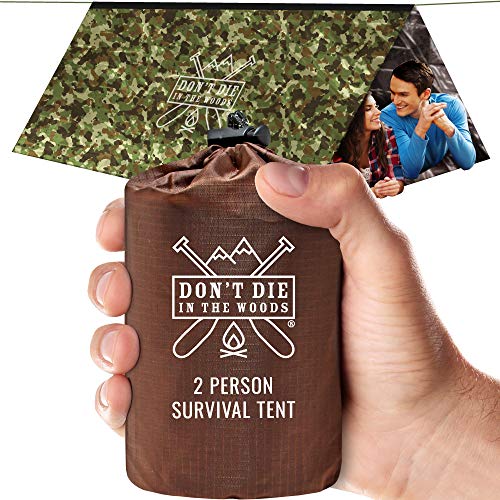
- Extra-thick HeatFlex mylar build
- Includes 425-lb paracord and reinforced seams
- Reusable shelter for two adults
Best For: buyers wanting the toughest reusable emergency shelter
Storm-Ready 2-Person Pick
Emergency 2-Person Survival Tent

- Wind- and water-resistant for emergency weather protection
- Simple setup between trees or as a wraparound shelter
- Includes whistle and paracord for added survival utility
Best For: Campers and emergency kits needing a compact 2-person shelter
Ultra-Compact Backup
Coghlan's Lightweight Emergency Tube Tent
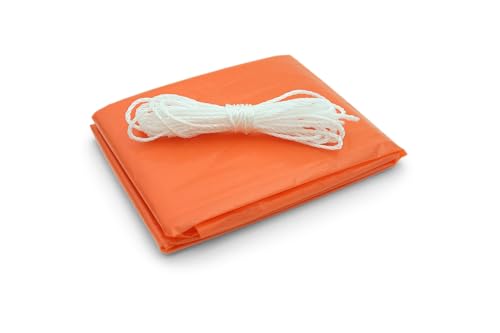
- Lightweight polyethylene build packs down small
- Waterproof and fire-retardant material for emergency use
- Includes 25-foot nylon cord plus setup instructions
Best For: Budget-conscious users wanting a compact backup shelter
Dual-Door Thermal Pick
SURVIVE Survival Tent with Doors

- Dual side doors add convenience and weather blocking
- Mylar design helps with warmth in emergency conditions
- Includes 22 ft of paracord and a whistle
Best For: Emergency kits and campers wanting a compact mylar shelter with doors
High-Visibility Survival Pick
MEKKAPRO 2-Person Emergency Shelter
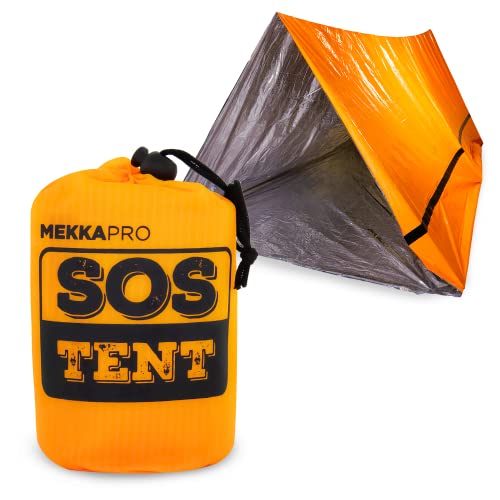
- Reflective mylar helps retain up to 90% body heat
- Bright orange color improves rescue visibility
- Waterproof, windproof, and highly packable
Best For: cold-weather emergencies, vehicle kits, and survival packs
Compact Weather-Ready Kit
Emergency Survival Tent with Whistle & Paracord

- Retains up to 90% of body heat
- Waterproof and wind-blocking mylar build
- Includes whistle and paracord
Best For: quick emergency prep for camping, hiking, and vehicle kits
Best Value Survival Bundle
IMODOMIO 2-Person Mylar Shelter Kit

- Reflects 90% of body heat in a waterproof shell
- Includes whistle, paracord, and stuff sack
- About 10 oz and packs down very small
Best For: winter camping, backpacking, and compact emergency kits
Ultralight Two-Person Pick – Go Time Gear Survival Life Tent
If you want a camping emergency shelter that stays compact without giving up core protection, this Go Time Gear tube tent is built for the basics. It weighs just 8.7 ounces, packs small for a bugout bag or backpack, and comes with a whistle and paracord for a more complete survival setup.
Best For: hikers, campers, and emergency kits that need a lightweight two-person shelter with included survival accessories.
Pros:
- Ultralight 8.7-ounce design is easy to pack and carry
- Includes paracord and a high-decibel whistle
- Designed for two people with all-weather protection
- Fits well in survival bags, bugout bags, and emergency backpacks
Cons:
- Tube-tent style is less roomy than a conventional tent
- Best use depends on trees, rocks, or another anchor setup
For anyone building out practical emergency gear, this is a simple, packable shelter with useful extras. It is strongest as a lightweight backup rather than a comfort-first camping tent.
Insulated Throwaway Backup – Disposable Tent First Aid Tent
This camping emergency shelter is positioned as a disposable insulated option for cold conditions and urgent situations. With its warm, emergency-focused design, it makes sense as a no-fuss backup to keep in a car, kit, or other preparedness stash.
Best For: buyers who want a simple insulated emergency shelter for cold-weather backup use.
Pros:
- Built as an insulated and warm emergency shelter
- Simple disposable format for fast, no-hassle use
- Useful as a backup for camping and emergencies
Cons:
- Disposable design is less reusable than higher-end shelters
- Product details are limited, so feature comparison is harder
If you need a basic insulated shelter more than a long-term gear item, this one fills that role. It is best viewed as a straightforward emergency reserve rather than a feature-rich camp shelter.
Windproof Budget Tube Tent – Emergency Tent for 1 or 2
For a camping emergency shelter that focuses on weather protection and portability, this two-person tube tent covers the essentials. It is lightweight at 8.7 ounces, folds into a small storage bag, and is designed to reflect up to 90% of body heat in wind, rain, and snow.
Best For: campers and travelers who want a compact emergency shelter with strong cold-weather protection.
Pros:
- Reflects up to 90% of body heat
- Windproof, waterproof, and tear-resistant PET polyester film
- Weighs only 8.7 ounces and packs into a small bag
- Includes a whistle, reinforced rope, and portable storage bag
Cons:
- Best setup is between trees or with added support
- Minimal shelter format is less comfortable than a full tent
This is a practical grab-and-go option for emergency preparedness and rough weather. It stands out for its heat-reflective material and small packed size, not for extra living space.
Heavy-Duty Survival Choice – Don't Die In The Woods Emergency Tent
If you want a camping emergency shelter with a tougher build, this mylar tube tent leans hard into durability. It uses extra-thick HeatFlex mylar, reinforced tape seams, and 425-pound-strength paracord while still staying lightweight and compact for a two-person setup.
Best For: campers and preppers who want a more rugged reusable emergency shelter with strong materials.
Pros:
- Extra-thick HeatFlex mylar is designed to be stronger than ordinary space blanket material
- Reflects up to 90% of body heat and is waterproof
- Includes 425-lb paracord and reinforced tape seams
- Can be used as a tube tent, bivy sack, or emergency sleeping bag
Cons:
- Still relies on basic anchoring or tree setup for best use
- Tube-tent format is inherently limited in comfort and space
This is the most construction-focused option in the group, aimed at repeat use and tougher conditions. It is a smart pick if material strength matters more than shelter comfort.
Storm-Ready 2-Person Pick – Emergency 2-Person Survival Tent
If you want a camping emergency shelter that prioritizes wind and water resistance in a very compact package, this two-person survival tent is built for that job. It’s designed as a personal emergency tent for four-season use, with a simple setup between trees or a backup option to wrap around yourself when anchors aren’t available.
Best For: Campers, hikers, and bug-out bags that need a lightweight emergency shelter with included whistle and paracord.
Pros:
- Wind- and water-resistant construction for emergency weather protection
- Simple to erect between trees, with a wraparound use option
- Includes whistle and nylon-core paracord for survival utility
- Compact, 100-gram build for easy packing in kits and packs
Cons:
- Non-freestanding design means it needs support or improvisation
- Plastic construction is focused on emergency use, not comfort camping
- At 5 inches maximum height, interior space is very limited
This is a practical shelter-first choice if your main concern is having a fast-deploying camping emergency shelter that can help block the elements. It’s better suited to preparedness than extended backcountry living, but it covers the essentials well.
Ultra-Compact Backup – Coghlan's Lightweight Emergency Tube Tent
For a camping emergency shelter that’s easy to stash and quick to deploy, this tube tent keeps the formula simple. It uses lightweight polyethylene, comes with a 25-foot nylon cord, and is meant to give two people basic protection from rain, wind, and other rough conditions.
Best For: Budget-minded campers, hikers, and vehicle kits that need a compact, multipurpose emergency shelter.
Pros:
- Lightweight, compact design fits easily in backpacks or emergency kits
- Waterproof and fire-retardant polyethylene material
- Includes 25-foot nylon cord and setup instructions
- Can also be used as a groundsheet, tarp, or gear cover
Cons:
- Tube-tent format is basic and not meant for roomy comfort
- Requires setup with cord rather than a freestanding frame
- Best for emergency use, not as a long-term camp shelter
This is one of the most straightforward emergency shelter options here: compact, versatile, and easy to pack. If you want a no-frills backup for camping or survival situations, it checks the right boxes without adding weight.
Dual-Door Thermal Pick – SURVIVE Survival Tent with Doors
If you’re shopping for a camping emergency shelter with a little more convenience, this mylar survival tent adds doors on both sides and includes useful carry-along extras. It’s a 2-person, four-season shelter designed to help block wind, rain, and snow while staying small enough to keep in a pack.
Best For: Emergency preparedness, family kits, and campers who want a compact shelter with doors, paracord, and a whistle.
Pros:
- Dual side doors can be closed with a rock for added protection
- Mylar material is intended to help retain warmth and block weather
- Includes 22 feet of paracord and a whistle
- Very compact packed size and 11-ounce weight for easy carry
Cons:
- Mylar shelter format is best for emergency use, not comfort
- Free-standing design still offers limited room inside
- Hand-wash care and simple materials suggest minimal durability focus
This option stands out if you want a shelter that feels more functional than a basic tube tent, thanks to the dual doors and included survival accessories. It’s a smart pick for emergency kits where warmth, packability, and quick use matter most.
High-Visibility Survival Pick – MEKKAPRO 2-Person Emergency Shelter
If you need a camping emergency shelter that prioritizes heat retention and visibility, this MEKKAPRO tube tent is built for harsh conditions. Its mylar lining is designed to retain up to 90% of body heat, while the bright orange shell helps make you easier to spot when conditions turn serious.
Best For: campers, hikers, and drivers who want a lightweight emergency shelter for cold, wet, or windy situations.
Pros:
- Reflective mylar lining helps retain up to 90% of body heat.
- Bright orange color improves visibility for rescue scenarios.
- Waterproof and windproof construction for rough weather.
- Ultra-lightweight, compact, and easy to stow in a pack or vehicle.
Cons:
- Designed as an emergency shelter, not a comfort-oriented tent.
- Setup requires tying it between trees or sturdy objects.
- Single-room, tube-style design keeps the layout very basic.
This is a straightforward survival-first option for people who want a compact backup shelter in a camping kit, car, or bug-out bag. The focus is clearly on warmth, visibility, and weather protection rather than features.
Compact Weather-Ready Kit – Emergency Survival Tent with Whistle & Paracord
This camping emergency shelter is aimed at fast, no-fuss protection when weather turns unexpectedly. The mylar material is designed to retain up to 90% of body heat, while the waterproof and wind-blocking build makes it a practical add-on for outdoor trips and emergency kits.
Best For: hikers, campers, and preparedness-minded buyers who want a compact survival shelter with extras like a whistle and paracord.
Pros:
- Thermal reflective mylar helps retain up to 90% of body heat.
- Waterproof and wind-blocking design for harsher weather.
- Includes paracord and whistle for emergency use.
- Folds small and is easy to store in bags or vehicles.
Cons:
- Minimal shelter design is focused on emergencies, not comfort.
- Best performance depends on a quick setup and proper anchoring.
- Material is lightweight, so it is not meant as a durable long-term tent.
As a backup shelter, this model stands out for bundling the basics into one compact package. It makes sense for users who want simple emergency readiness without adding much weight or bulk.
Best Value Survival Bundle – IMODOMIO 2-Person Mylar Shelter Kit
If you want a camping emergency shelter with a little more included value, this IMODOMIO tube tent comes as a complete four-piece kit. It reflects 90% of body heat, packs down to about the size of a soda can, and is built to be waterproof and windproof for emergency use.
Best For: backpackers, winter campers, and emergency-kit buyers who want a compact shelter plus signaling gear.
Pros:
- Reflects 90% of body heat for emergency warmth.
- Very compact and lightweight at about 10 oz.
- Includes a 120dB whistle and 20-foot reflective paracord.
- Can also be used as an emergency sleeping bag or bivy-style shelter.
Cons:
- Still an emergency-first shelter, not a full camping tent.
- Needs trees or another tie-off setup to use properly.
- Basic tube-tent format leaves little room for comfort features.
This is the most complete bundle of the three if you want shelter plus survival accessories in one kit. It is a practical choice for anyone building out a compact emergency loadout for cold or unpredictable conditions.
How We Picked the Best Camping Emergency Shelter
We prioritized shelters that are compact enough to carry, simple to deploy under stress, and built to offer meaningful wind and rain protection. Thermal performance, included accessories like paracord or whistles, and overall portability mattered most. We also looked for designs that fit real emergency use, not just general camping.
Quick Comparison
Most products in this category are tube tents or mylar-style shelters, which are lightweight and reflective but less rugged than a full tent. In practice, that means they work best as backup protection for one or two people, especially in kits where space and weight are limited. If you want the easiest carry option, choose the most compact model; if you want a more confidence-inspiring shelter, look for reinforced construction and better tie-out support.
Key Buying Factors for Camping Emergency Shelter
Size and Capacity
Check whether the shelter is truly sized for one or two adults, especially if you plan to wear bulky clothing or keep a pack inside. A tighter fit can help retain heat, but it should still allow you to get inside quickly.
Warmth and Weather Resistance
Reflective mylar and insulated materials can help retain body heat, but no emergency shelter replaces proper sleeping insulation. Look for wind-blocking and waterproof claims, and treat these shelters as short-term protection rather than long-term living space.
Setup Speed
In bad weather, a shelter that uses a simple tube design, pre-attached cord, or minimal anchoring points is usually easier to deploy. Fast setup is especially important for roadside emergencies and exposed campsites.
Weight and Packability
The best Camping Emergency Shelter is one you will actually carry. Small packed size matters for backpacking, glove compartments, and survival kits where every ounce and inch count.
Extras and Visibility
Accessories like a whistle, paracord, or bright color can improve safety and usefulness. High-visibility shelters are easier to spot in rescue scenarios, while cordage makes securing the shelter much easier in wind.
Who Should Buy Which Camping Emergency Shelter?
Backpackers and ultralight campers should lean toward the smallest, lightest shelter that still offers solid thermal protection. Car campers and families may prefer a more robust two-person model with extra accessories. For emergency kits, the best choice is usually the simplest shelter with the fastest deployment and the smallest packed footprint. If you expect severe weather or extended exposure, pair any Camping Emergency Shelter with insulation, dry layers, and a ground barrier for better real-world protection.