When every ounce matters, the right backpacking first aid kit should be compact, organized, and ready for common trail injuries without adding bulk.
Below, we focus on practical kits for backpackers who want lightweight protection, dependable storage, and the essentials that matter most on long days outside.
Best 10 Backpacking First Aid Kit Picks for 2026
Compact Waterproof Kit

- 150-piece supply mix for common emergencies
- Waterproof EVA hard shell with organized compartments
- Lightweight design clips easily to a backpack
Best For: Backpackers wanting a compact, general-purpose kit
Wilderness-Ready Kit
Mountain Series Backpacker Kit
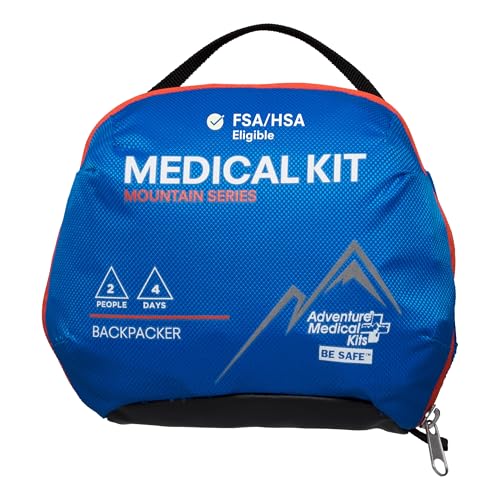
- Designed for up to 2 adventurers for up to 4 days
- Clearly labeled pockets for faster access
- Includes trauma pad, elastic bandage, and wilderness guide
Best For: Two-person wilderness trips and remote backpacking
Doctor-Developed Travel Kit
100-Piece Waterproof Emergency Kit

- 100-piece kit for common outdoor injuries
- Includes emergency blanket, tourniquet, and guide
- Compact waterproof case fits backpacks easily
Best For: Travelers and backpackers who want compact emergency coverage
Ultralight Trail Kit

- Ultra-compact size fits a pack side pocket
- Waterproof DryFlex bag helps protect supplies
- Includes blister essentials and basic wound care
Best For: Ultralight hikers and short-trip backpackers
Budget Compact Tin
Coleman All Purpose Mini First Aid Kit

- Crush-proof metal tin case
- Basic supplies for quick care
- Very compact and affordable
Best For: Budget-minded backpackers who want a tiny basic kit
Wilderness Kit for Two
Adventure Medical Kits Mountain Series Hiker

- Organized pockets and water-resistant bag
- Built for 2 people for 2 days
- Includes trauma pad and guide book
Best For: Remote backpacking trips with two people
Best for Comfort
RHINO RESCUE Small First Aid Kit

- Compact, water-resistant, and portable
- 79 trail-focused emergency essentials
- Includes moleskin, whistle, and blanket
Best For: Ultralight backpackers who want practical trail coverage
Budget-Friendly Compact Pick
276PCS Compact Waterproof First Aid Kit for Travel

- 276-piece starter supply
- Water-resistant EVA case
- Compact but weighs 1 lb
Best For: Backpackers who want a compact, well-stocked starter kit
Ultralight Trail Pick
EVERLIT Ultralight Mini First Aid Kit

- Only 6.7 oz and easy to pack
- 50 essential supplies plus blanket
- Carabiner clip for quick access
Best For: Ultralight backpackers and cyclists who want a tiny kit
Most Organized Waterproof Pick
RHINO RESCUE EVA First Aid Kit

- 130 pieces with guide included
- Water-resistant EVA shell
- Wide-opening design for quick access
Best For: Backpackers who want a more complete, easy-to-use kit
Compact Waterproof Kit – Mini 150-Piece Emergency Kit
If you want a backpacking first aid kit that stays compact without feeling bare-bones, this 150-piece mini kit is a practical option. It packs common wound-care basics, gloves, tweezers, a tourniquet, and other emergency supplies into a lightweight hard shell case that can clip to a backpack.
Best For: Backpackers, campers, and hikers who want a small, organized kit with broad everyday emergency coverage.
Pros:
- 150-piece assortment covers a wide range of basic emergency needs
- Waterproof EVA hard shell helps protect supplies and is easy to clean
- Compact size and bonus carabiners make it easy to attach to a pack
- Separated inner compartments help speed up item access
Cons:
- Designed as a general mini kit rather than a wilderness-specific system
- Waterproof construction protects supplies, but the kit should not be soaked
Overall, this is a strong pick if your priority is portability and organization in a backpacking first aid kit. It offers a broad supply mix in a rugged case, making it easy to carry on shorter trips or as a backup kit.
Wilderness-Ready Kit – Mountain Series Backpacker Kit
For a backpacking first aid kit built around remote outdoor use, this Mountain Series backpacker kit is a smart fit. It is designed to support up to 2 adventurers for up to 4 days, with clearly labeled pockets, a water-resistant bag, and supplies aimed at more serious trail situations.
Best For: Two-person backpacking trips, overnight wilderness outings, and remote excursions where organization matters.
Pros:
- Built for up to 2 adventurers for up to 4 days
- Easy Care organization system keeps supplies easy to find
- Water-resistant bag adds useful outdoor protection
- Includes a trauma pad, elastic bandage, and wilderness first aid book
Cons:
- Heavier and more specialized than a basic travel kit
- May be more than needed for very short day hikes
This is the most trail-focused option in the group, especially if you want a kit that helps with organization and more advanced outdoor scenarios. Its wilderness guide and injury-focused contents make it a dependable backpacking companion.
Doctor-Developed Travel Kit – 100-Piece Waterproof Emergency Kit
This backpacking first aid kit keeps things simple with a compact 100-piece layout that still includes key outdoor essentials. The waterproof hard case, emergency blanket, tourniquet, and doctor-written guide make it a practical choice for travelers and hikers who want a ready-to-go emergency kit.
Best For: Backpackers who want a compact, waterproof kit with a few standout emergency items included.
Pros:
- 100-piece kit covers cuts, scrapes, burns, sprains, and more
- Includes an emergency blanket and tourniquet
- Waterproof hard case helps protect supplies outdoors
- Doctor-written first aid guide adds useful reference support
Cons:
- Less specialized for wilderness use than some backpacking-specific kits
- Uses a bag-style container rather than a rigid hard-shell design
It is a solid middle-ground option if you want useful emergency coverage without carrying a large pack item. The included blanket and guide give it extra value for trips where a lightweight but capable kit makes sense.
Ultralight Trail Kit – Watertight Medical Kit .5
If your backpacking first aid kit needs to stay as light and compact as possible, this Ultralight/Watertight Medical Kit .5 is built for that job. It is designed to fit in a pack side pocket and focuses on the basics, including wound care, blister treatment, and a few common comfort items.
Best For: Ultralight hikers, bikers, and climbers who want a small kit for up to 2 people on short trips.
Pros:
- Very light and compact enough for a pack side pocket
- Waterproof DryFlex inner bag helps keep supplies dry
- Includes moleskins and blister essentials for friction issues
- Covers basic wound care and common outdoor discomforts
Cons:
- Smaller kit size limits how much gear it can carry
- Best suited to short outings rather than extended expeditions
This kit makes the most sense for hikers who value weight savings and blister care over a larger supply count. It is a focused, pack-friendly option that keeps the essentials close without adding much bulk.
Budget Compact Tin – Coleman All Purpose Mini First Aid Kit
If you want a backpacking first aid kit that covers the basics without taking up much space, this Coleman mini kit is a simple, budget-friendly choice. It packs commonly used supplies for quick on-the-go care and comes in a crush-proof metal tin that is easy to toss into a pack.
Best For: Backpackers who want a low-cost, compact kit for quick treatment of minor cuts, scrapes, and everyday trail mishaps.
Pros:
- Compact metal tin is sturdy and crush-proof
- Includes essentials like bandages, antiseptic wipes, and antibiotic ointment
- Small size is easy to store in a backpack or emergency kit
- Budget-friendly option for basic preparedness
Cons:
- Only 27 pieces, so it is more limited than larger wilderness kits
- Best suited to quick care rather than more advanced trail medical needs
Overall, this is a practical grab-and-go kit for hikers who prioritize minimal bulk and basic first aid coverage. It is best viewed as a compact supplement or starter backpacking first aid kit rather than a full expedition setup.
Wilderness Kit for Two – Adventure Medical Kits Mountain Series Hiker
For a backpacking first aid kit built for longer outings, this Adventure Medical Kits Mountain Series Hiker package offers organized supplies in a water-resistant bag. It is designed for up to two people for two days and includes a trauma pad, medicine, and a wilderness first aid guide.
Best For: Backpackers heading out on remote trips who want a more complete, organized wilderness medical kit for two people.
Pros:
- Designed to support 2 people for 2 days
- Easy Care organization system helps you find supplies quickly
- Includes a trauma pad and elastic bandage for advanced wound care
- Comes with a wilderness first aid book for injury guidance
Cons:
- Heavier and larger than minimalist ultralight kits
- May be more kit than solo hikers need for short trips
This is a strong pick if you want structured, trail-ready coverage instead of a bare-bones pouch. The organized layout and included guide make it especially useful when backpacking in more remote areas.
Best for Comfort – RHINO RESCUE Small First Aid Kit
This RHINO RESCUE backpacking first aid kit is built for hikers who want a small, lightweight pack without giving up useful outdoor essentials. It combines 79 supplies in a compact, water-resistant kit that is easy to carry on backpacking, hiking, and other active trips.
Best For: Ultralight backpackers and hikers who want a compact, well-rounded kit with trail-focused supplies.
Pros:
- Very lightweight and compact for easy pack carry
- Includes 79 supplies for cuts, scrapes, burns, and blister prevention
- Outdoor-focused extras like moleskin, whistle, gloves, and emergency blanket
- Water-resistant and organized for travel and trail use
Cons:
- Small format may not suit users who want a more expansive medical setup
- Supplies are focused on common outdoor issues rather than advanced care
For backpackers trying to keep weight down, this kit offers a smart balance of portability and practical coverage. Its trail-oriented contents make it a versatile choice for hiking and other outdoor activities.
Budget-Friendly Compact Pick – 276PCS Compact Waterproof First Aid Kit for Travel
If you want a backpacking first aid kit that covers the basics without taking up much room, this 276-piece option is built for convenience. Its small EVA case is water-resistant, lightweight, and easy to stash in a pack, glove compartment, or carry-on for quick access on the trail.
Best For: Hikers, campers, and backpackers who want a compact kit with a broad starter supply.
Pros:
- 276 pieces provide a wide range of basic emergency supplies.
- Compact 7.8″ x 5.55″ x 2.9″ case is easy to pack.
- Water-resistant EVA material helps protect contents.
- Includes useful items like scissors, tweezers, bandages, tape, and an emergency blanket.
Cons:
- At 1 lb, it is not the lightest option here.
- Its larger supply count may include items some minimalist hikers will not need.
For buyers who prioritize coverage over ultralight packing, this kit strikes a practical balance. It is a solid backpacking first aid kit for travelers who want more than just a tiny repair pouch.
Ultralight Trail Pick – EVERLIT Ultralight Mini First Aid Kit
For hikers who care most about weight and pack space, this backpacking first aid kit is built to stay out of the way until needed. The rip-stop nylon pouch is tiny, water-resistant, and comes with a carabiner so you can clip it to a pack for fast access.
Best For: Ultralight backpackers, cyclists, and hikers who want a minimal emergency kit.
Pros:
- Very light at 6.7 oz with a small 5″ x 4.5″ x 1″ footprint.
- Includes 50 essential supplies for common minor injuries.
- Carabiner makes it easy to attach to a backpack.
- Water-resistant rip-stop nylon helps protect contents from splashes and light rain.
Cons:
- Smaller supply count than fuller kits on this list.
- Best suited to minor injuries, not bigger emergency scenarios.
This is the pick for travelers who want the lightest practical setup and do not want a bulky med pouch. It keeps the essentials close without weighing down a long day on the trail.
Most Organized Waterproof Pick – RHINO RESCUE EVA First Aid Kit
If you want a backpacking first aid kit that feels more complete and easier to use quickly, this RHINO RESCUE bag stands out. It combines 130 pieces, a water-resistant EVA shell, and a layout designed to open wide for fast, organized access when seconds matter.
Best For: Backpackers and outdoor travelers who want a more complete kit with better organization.
Pros:
- 130 pieces cover minor wounds, burns, sprains, blister care, and more.
- Water-resistant EVA exterior helps shield supplies from the elements.
- Double-way zippers and curved opening make the kit easy to access.
- Includes a CPR guide and first aid guide for reference.
Cons:
- Not the smallest option for minimalist backpacking.
- More features may mean more bulk than a bare-bones kit.
This is the strongest choice if you want a trail kit that is still compact but better organized than a basic pouch. It is a practical middle ground between portability and fuller emergency coverage.
How We Picked the Best Backpacking First Aid Kit
We looked for a Backpacking First Aid Kit that balances weight, packability, and real-world usefulness. The best options include core wound care, blister support, and basic tools in a case that can handle weather, compression, and frequent packing.
We also favored kits with clear organization and enough supplies for solo trips or small groups, since a kit that is easy to find and use is often more valuable than one with a long item count.
Quick Comparison
Not every kit serves the same purpose. Ultralight kits are best for fast-and-light trips, while more complete kits suit longer treks, group outings, or hikers who want extra margin. Waterproof and water-resistant cases are especially useful if you expect rain, river crossings, or damp pack conditions.
Key Buying Factors for a Backpacking First Aid Kit
Weight and Size
For backpacking, portability is critical. Look for a compact kit that fits into a side pocket, hip belt pouch, or the top of your pack without forcing you to reorganize other gear.
Core Supplies
The most useful kits cover cuts, scrapes, blisters, and minor sprains. Bandages, gauze, antiseptic wipes, tape, blister care, and a small pair of scissors or forceps are all worth prioritizing.
Weather Protection
A water-resistant or waterproof shell helps keep supplies usable when conditions turn wet. This matters on multi-day hikes where a soaked kit can quickly become less effective.
Organization
Clear internal layout can save time during an injury. Separate compartments or labeled pockets make it easier to find what you need when stress levels are high.
Trip Length and Group Size
A solo day hiker can usually get by with a minimalist kit, while a two-person or family backpacking trip benefits from more supplies and a broader range of treatment options.
Who Should Buy Which Backpacking First Aid Kit?
If you want the lightest possible setup, choose a compact ultralight kit with the basics only. If you hike in wet climates or carry gear on longer trips, a waterproof hard-shell or sealed pouch is a smarter choice. For beginners and cautious hikers, a more complete kit can provide peace of mind and reduce the need for custom add-ons.
In the end, the best Backpacking First Aid Kit is the one you will actually carry, know how to use, and keep stocked for the kinds of injuries most likely to happen on trail.