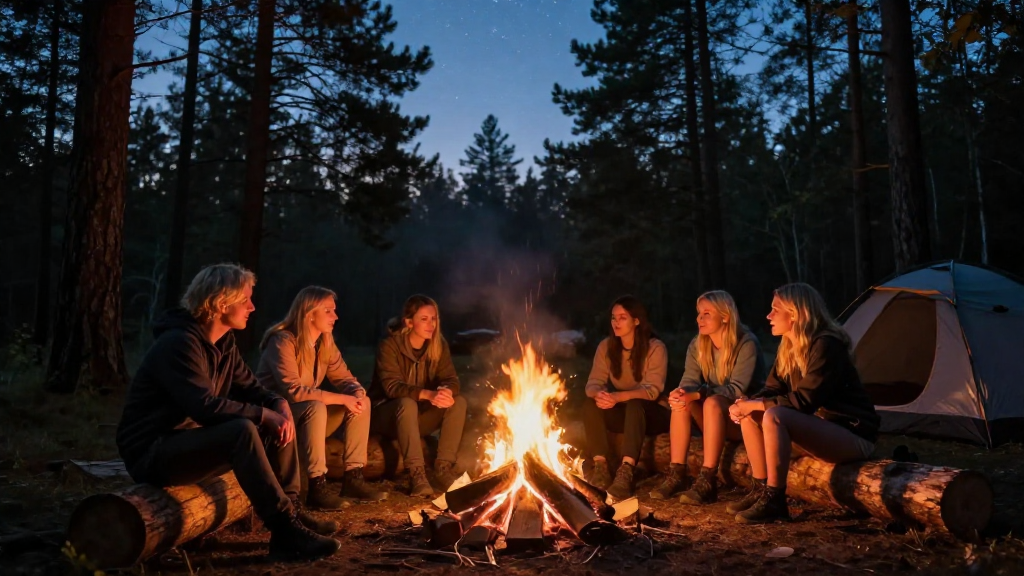
Camping for team building is an innovative approach that various organizations are adopting to enhance collaboration and camaraderie among their team members.
What Makes Camping an Effective Team Building Activity?
Camping for team building is not just a recreational activity; it’s a powerful tool for fostering interpersonal relationships.
Here’s how camping can be beneficial:
-
Encouraging Communication
When participants are removed from their regular work environment, it allows for more open and relaxed communication.
Key Takeaway: Participants often share their thoughts and ideas more freely in a camping setting. -
Promoting Trust
Trust is essential in any team.
Camping activities that require interdependence, like setting up tents or cooking together, build shared experiences that deepen trust among team members. -
Developing Problem-Solving Skills
Camping often presents unexpected challenges, such as weather changes or navigating unfamiliar trails.
Working together to solve these issues fosters team cohesion and innovative thinking. -
Enhancing Team Dynamics
Understanding Personality Types:
Camping provides a relaxed atmosphere where team members can observe each other’s personalities in diverse situations, ultimately leading to better teamwork back in the office. -
Fostering Leadership Skills
Leadership Opportunities:
During camping, individuals can step into various roles, promoting leadership and showcasing unique strengths.
How Does Camping Foster Collaboration?
Collaboration is crucial for effective team dynamics. While on a camping trip, members are often required to work together closely.
Here are some collaborative activities suited for camping:
-
Setting Up Camp:
Requires teamwork, as individuals must communicate effectively to arrange tents and gear. -
Cooking Together:
Meal preparation can be a fun and engaging way to develop skills in delegation and collaboration. -
Group Hikes:
Navigating trails together develops reliance on one another, as team members must support each other to ensure everyone stays safe and arrives at the destination.
Why Is the Outdoor Environment Important for Team Building?
Nature plays a vital role in team-building exercises, particularly during camping.
The outdoor environment helps to:
-
Reduce Stress:
Being in nature can decrease stress levels, allowing team members to communicate more openly and comfortably. -
Increase Focus:
The serenity of outdoor spaces enhances focus, helping teams brainstorm and make decisions more effectively. -
Boost Creativity:
New surroundings stimulate creative thinking, allowing for more out-of-the-box ideas that can benefit team dynamics.
What Activities Can Facilitate Team Building During Camping?
There are numerous activities that can be incorporated into camping for team building:
-
Team Challenges:
Activities like sack races or tug-of-war can encourage teamwork while providing physical fun. -
Campfire Storytelling:
Sharing personal stories around a campfire promotes bonding and helps team members relate to one another on a personal level. -
Scavenger Hunts:
These can be designed to require collaboration, problem-solving, and adventurous exploration, which boost team morale. -
Outdoor Workshops:
Organizing workshops within the camping context focused on skill development—such as leadership or conflict resolution—can enhance team collaboration. -
Reflection Sessions:
After each day’s activities, hold discussions that allow team members to reflect on lessons learned and how they can apply them at work.
What are the Long-Term Benefits of Camping for Team Building?
Camping for team building offers lasting benefits that extend beyond the duration of the trip.
The long-term gains include:
-
Improved Relationships:
Team members often report closer relationships after a camping trip, leading to a more harmonious work environment. -
Enhanced Collaboration Skills:
What team members learn about collaborating in an outdoor setting often translates back to their daily office interactions. -
Decreased Turnover:
A team that bonds well is less likely to experience high turnover rates, benefiting the company both financially and culturally. -
Increased Productivity:
Enhanced teamwork often results in more effective problem-solving abilities and increased overall productivity at work.
How Often Should Companies Consider Camping for Team Building?
Frequency can vary based on the company’s size, culture, and budget.
However, consider these guidelines:
-
Quarterly Outings:
Holding camping trips every three months can help maintain strong relationships among team members. -
Annual Team Retreats:
An annual retreat allows for deeper connections and reflection on the past year while planning for the future. -
Special Occasion Trips:
Celebrate project completions or milestones with camping trips focused on relaxation and celebration, reinforcing teamwork.
How Do You Plan A Successful Camping Trip for Team Building?
Planning is essential in ensuring your camping trip for team building is fruitful.
Here are some steps to consider:
-
Define Objectives:
Clearly state what you want to achieve through the camping experience. -
Choose the Right Location:
Select a campsite that’s easily accessible but also offers a range of activities. -
Engage Participants in Planning:
Involve team members in the planning process to foster a sense of ownership and excitement about the trip. -
Organize Activities Strategically:
Mix team-building exercises with relaxation time to ensure everyone finds value in the experience. -
Gather Feedback:
After the trip, solicit feedback to evaluate what worked well and what can be improved for future outings.
Taking the initiative to incorporate camping for team building into your company’s culture can lead to increased morale, improved communication, and long-term success. It’s an investment that pays dividends by reinforcing the structure and spirit of your team, ultimately benefiting your organization as a whole.
In summary, consider camping for team building as an enriching experience that not only fosters essential skills but also creates unforgettable memories that bind teams together. Why not take the plunge and explore the transformative power of camping today?