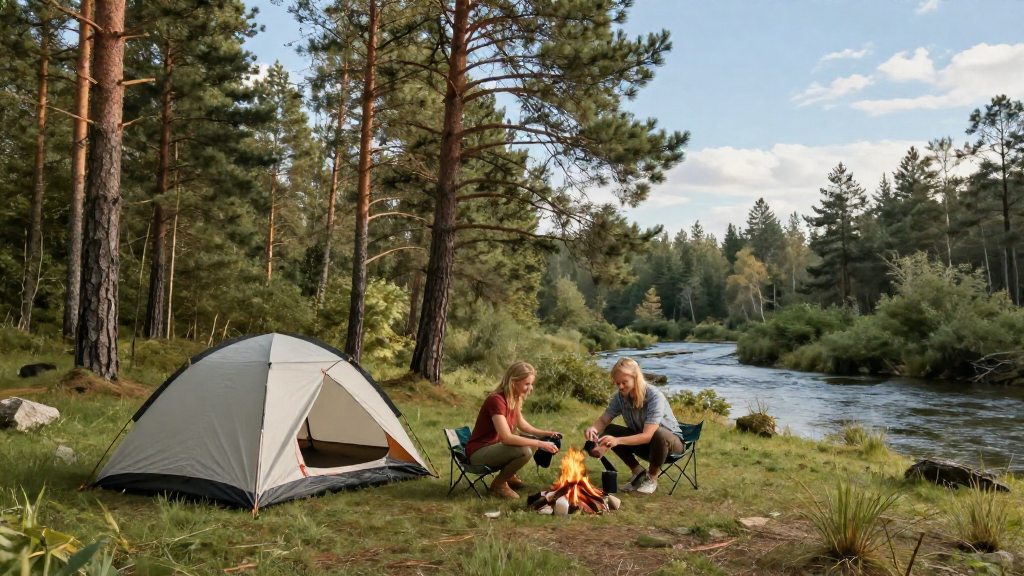
Choosing the perfect place to camp can significantly enhance your outdoor experience. In this article, we will provide essential camping ground selection tips to help you make an informed decision for your next outdoor adventure.
What Should You Consider When Selecting a Camping Ground?
When it comes to camping ground selection tips, several factors can affect your campsite experience. Here are key considerations to keep in mind:
-
Location
– Is it convenient to travel to?
– Consider proximity to scenic spots, trails, or water bodies. -
Amenities
– What facilities are available?
– Check for restrooms, showers, picnic tables, and fire pits. -
Type of Camping Ground
– Are you looking for a private campground, public campsite, or backcountry site?
– Different types cater to various preferences and levels of comfort. -
Scenery and Wildlife
– Do you prefer beautiful vistas or close encounters with wildlife?
– Some campgrounds are set in stunning natural environments, enriching your experience. -
Accessibility
– Is the camping ground accessible for everyone?
– Consider the age and mobility of your camping companions when choosing a site. -
Safety and Regulations
– Are there safety guidelines and regulations?
– Ensure the campground has rules in place to protect both the visitors and the environment.
Is the Weather Consideration Important?
Absolutely! Weather can dramatically affect your camping experience.
- Research Seasonal Weather Patterns
- Look into the typical climate for the region during your travel dates.
-
Famous national parks like Yosemite or the Great Smoky Mountains have varying weather conditions that could impact your trip.
-
Check for Storm Warnings
- Be aware of possible flooding or storms in the area you plan to camp.
- Shelters and facilities can become unavailable or unsafe.
How Do You Know If a Camping Ground Meets Your Needs?
Assessing your specific needs is crucial in your camping ground selection tips.
- Gather Information on Facilities
- If you require electrical hookups, make sure the campground offers them.
-
Families or larger groups might need bigger sites and more amenities.
-
Read Reviews
- Websites like AllTrails, Campendium, or Yelp can provide helpful insights from other campers.
- Look for recent reviews to get a better idea of the current conditions at the campground.
What’s the Best Way to Book a Camping Ground?
Booking your campsite correctly can save you time and ensure you don’t miss out on a great location.
-
Advance Reservations
– Popular campgrounds often fill up quickly, especially during peak seasons.
– Book ahead through official state or national park websites. -
Flexible Dates
– If possible, consider going during weekdays rather than weekends for better availability.
– Off-peak months also tend to have more open spots. -
Check Cancellation Policies
– Understand the campground’s cancellation policy in case your plans change.
– Look for parks that offer no or minimal cancellation fees.
Are There Specific Features to Look For in a Campground?
Certainly! Different features can cater to various preferences.
– Accessibility to Activities
- Check if the campground is near hiking trails, biking paths, or fishing spots.
- Access to lakes and rivers can enhance your camping experience.
– Site Types and Sizes
- Understand the distinction between established sites, primitive camping, and RV hookups.
- Larger groups may need bigger sites with multiple tents allowed.
– Fire Restrictions
- Some campgrounds may have restrictions on campfires, especially during dry seasons.
- Confirm the fire policies and consider bringing a portable stove for cooking.
– Wildlife Encounters
- Research the wildlife in the area; this can influence your planning.
- Knowing about bears, snakes, or certain insects can help you prepare and stay safe.
How Can You Ensure Comfort at Your Chosen Campsite?
Even with the right camping ground selection tips, comfort is key to enjoying your outdoor adventure.
- Arrive Early
- Arriving before sunset allows you to set up your campsite with plenty of light.
-
This also helps secure the best available site.
-
Bring the Right Gear
- A comfortable sleeping bag, sleeping pad, and tent will enhance your experience.
- Consider weather-appropriate clothing and tools for cooking or recreation.
How Important Is Environmental Responsibility When Camping?
Choosing an eco-friendly campground not only enriches your experience but also helps preserve nature.
- Look for Sustainable Practices
- Consider campgrounds that prioritize environmental sustainability.
-
This can include waste reduction programs or native plant landscaping.
-
Practice Leave No Trace Principles
- Always follow the “Leave No Trace” principles, minimizing your impact on the environment.
- Respect wildlife and adhere to designated paths and camping areas.
Conclusion: What Final Thoughts Should You Keep in Mind?
In summary, the camping ground selection tips discussed in this article will help you choose wisely.
- By considering location, amenities, accessibility, and safety,
- You can enhance your outdoor experience and create lasting memories.
So the next time you embark on an adventure in the great outdoors, follow these best practices, and make the most of your time in nature. The perfect camping ground awaits you!