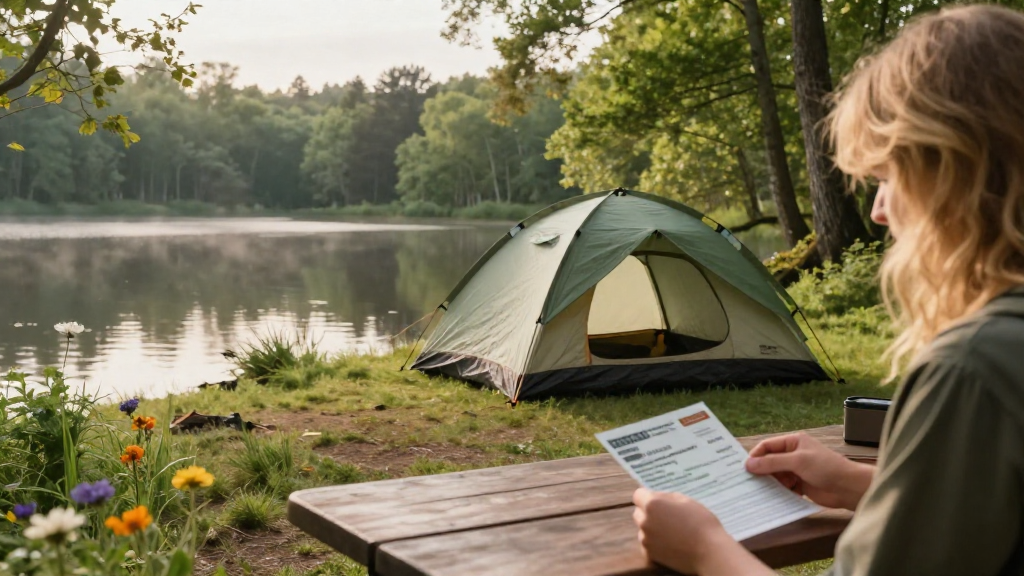
If you’re eager to spend some time in nature, understanding the camping permit process is essential for a successful trip.
What is a Camping Permit?
A camping permit is an authorization required in many parks and camping areas to ensure that camping activities are managed effectively.
Obtaining a camping permit:
- Regulates the number of visitors
- Protects natural resources
- Enhances safety for campers
Understanding the camping permit process is vital for a hassle-free outdoor adventure.
Why Do You Need a Camping Permit?
Camping permits are not just bureaucratic red tape; they serve several important purposes:
- Environmental Protection: Permits help control overcrowding in sensitive areas, preserving flora and fauna.
- Safety: Notifies park rangers of your presence, which can be crucial in emergencies.
- Resource Management: Helps manage the available resources, including water usage and waste disposal.
By acquiring a camping permit, you contribute to sustainable recreational practices while enjoying the great outdoors.
How Do You Begin the Camping Permit Process?
The camping permit process can be straightforward if you take note of a few basic steps:
1. Research Your Destination
Before you start the camping permit process, do your homework on your desired camping destination.
- National Parks: Check the National Park Service website.
- State Parks: Visit your state’s park website.
- Private Campgrounds: Look for details on the specific campground’s website.
Understand the rules and regulations as they can vary widely from one location to another.
2. Check Availability
- Popular Locations: Many parks have limited space, especially during peak seasons.
- Last-Minute Arrangements: Some areas allow for walk-up permits, but this is less reliable.
Use online reservation systems to check for available sites or contact park services directly if uncertain.
3. Understand the Requirements
Each area will have specific requirements regarding:
- Length of Stay: Typically, permits will indicate how long you can camp.
- Group Size: Some camping spots limit the number of campers.
- Vehicle Restrictions: For backcountry camping, make sure you know whether parking is allowed near your site.
Familiarize yourself with the area’s guidelines to navigate the camping permit process smoothly.
What Are the Steps for Obtaining a Camping Permit?
Once you have gathered all necessary information, you can delve into the camping permit process. Here’s how to proceed:
1. Complete the Application Form
You can usually find and fill out the camping permit application online or via a paper form that can be submitted via mail.
- Personal Information: Include your contact details.
- Camping Dates: Specify the dates you wish to reserve.
- Size of Your Group: Indicate the total number of people.
2. Pay the Fees
Be prepared to pay a fee for the camping permit.
- Prices Vary: Fees depend on the park or campground and the type of site.
- Credit/Debit Cards: Most parks accept cards, but some may only accept cash.
3. Wait for Approval
Depending on the destination, you may receive immediate confirmation or have to wait for processing.
- Confirmation Emails: Keep any confirmation documents provided, as these will be necessary for check-in.
- Cancellation Policies: Familiarize yourself with cancellation policies in case your plans change.
4. Print Your Permit
If your application is approved, print the permit and keep it on hand during your camping trip.
Most parks require you to display your camping permit at the site or check-in desk.
What Should You Know About Backcountry Camping Permits?
The camping permit process for backcountry camping can differ from traditional camping sites. Here are some points to consider:
- Wilderness Areas: Backcountry permits often allow for more flexibility, enabling you to camp outside marked campgrounds.
- Self-Registration: In some areas, you can fill out and deposit a self-issued permit at entry points.
- Leave No Trace Principles: Always adhere to Leave No Trace principles to minimize environmental impact.
What to Bring Along with Your Camping Permit?
Once the camping permit process is complete, ensure you pack everything essential for your trip:
- Camping Gear: Tent, sleeping bags, and cooking equipment.
- Food and Water Supplies: Plan meals in advance and carry enough water.
- First-Aid Kit: Be prepared for any unexpected situations.
- Map and Compass: Essential for navigation in backcountry areas.
Being prepared will enhance your outdoor experience and ensure compliance with park regulations.
How to Handle Common Issues with Camping Permits?
Occasionally, issues might arise during the camping permit process. Here’s how to address them:
- Changes in Plans: Contact the park’s ranger station to modify your permit if necessary.
- Lost Permits: Always keep digital backups of your camping permit.
- Awareness of Rules: Ensure you understand site restrictions, such as campfire regulations or required bear-proof containers.
Understanding these common pitfalls can help you enjoy a stress-free camping experience.
Conclusion: Embrace Nature Responsibly!
Understanding the camping permit process is crucial for appreciating the beauty of the great outdoors responsibly.
A camping permit not only enables you to enjoy nature but also ensures that natural resources are preserved for future generations.
Now that you are equipped with the knowledge of how to obtain your camping permit, start planning your next adventure with confidence!
Remember to check all local guidelines and have your camping essentials ready for an unforgettable experience. Happy camping!