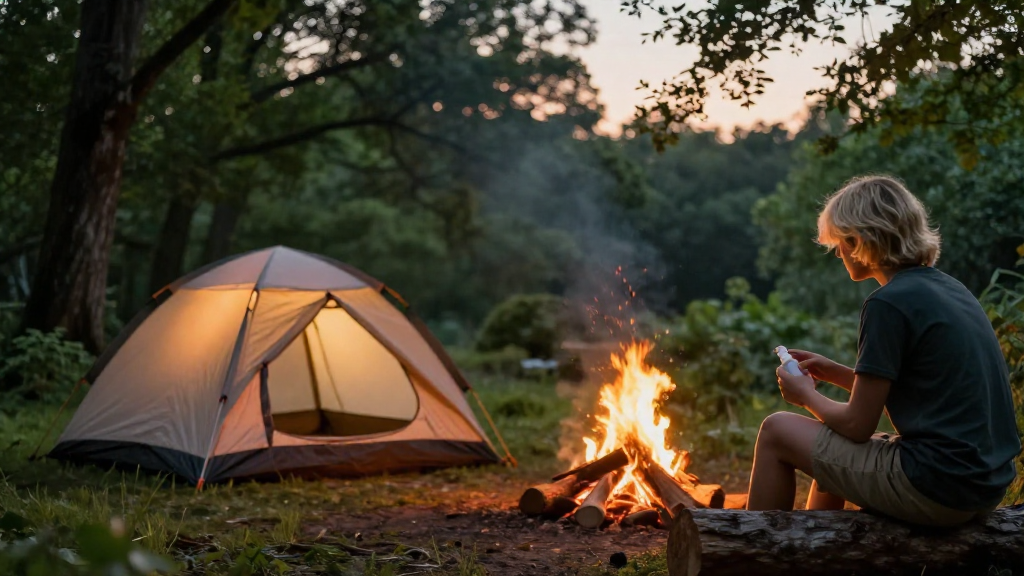
Camping during bug season can be a delightful adventure, but it often comes with its share of challenges due to pesky insects.
With the right strategies in place, you can enjoy the great outdoors without being constantly bothered by mosquitoes, ticks, and other critters.
This guide will offer you practical tips to make your camping experience during bug season a lot more enjoyable and hassle-free.
What Types of Bugs Should You Prepare For?
When camping during bug season, it’s essential to know what insects you might encounter. Here are some common types you may want to prepare for:
- Mosquitoes: Known for their annoying bites and ability to carry diseases.
- Ticks: They can latch onto your skin and transmit Lyme disease and other illnesses.
- Flies: These include black flies and deer flies, which can be bothersome around campsites.
- Ants and Wasps: These can invade your food supplies, making mealtime a challenge.
- No-See-Ums (biting midges): Tiny flies that can leave itchy bites.
Understanding which bugs to expect can help you tailor your camping strategies effectively.
How Can You Keep Bugs Away?
One of the most crucial aspects of camping during bug season is staying bug-free. Here are some effective techniques to minimize your exposure:
1. Choose the Right Campsite
Look for locations that are less prone to bug infestations.
– Avoid standing water: Mosquitoes breed in stagnant water, so campsites near lakes, ponds, or marshy areas may have more bugs.
– Consider altitude: Higher elevations usually have fewer bugs.
– Select windy spots: Bugs have a harder time flying in windy conditions.
2. Wear Protective Clothing
Your choice of attire can significantly impact your comfort level when camping during bug season.
– Long sleeves and pants: Choose light-colored clothing to make it easier to spot any insects that land on you.
– Bug-repellent clothing: Some manufacturers treat clothing with insect repellent such as permethrin, which can keep bugs at bay.
– Hats and nets: A wide-brimmed hat can provide shade and lessen the chance of insects buzzing around your face.
3. Use Insect Repellents
Applying insect repellent is one of the most effective ways to combat bugs.
– DEET-based repellents: These are highly effective against mosquitoes and ticks.
– Natural repellents: For those who prefer organic options, repellents containing lemon eucalyptus oil or citronella can also be effective.
– Reapply regularly: Make sure to follow the instructions on the label and reapply as needed.
How Can You Create a Bug-Free Camping Environment?
Camping during bug season doesn’t mean you have to suffer through the whole trip. Creating a bug-free environment around your campsite can go a long way. Here are some tips:
1. Maintain Cleanliness
Bugs are often attracted to food and waste, so keeping your campsite clean is crucial.
– Store food securely: Use airtight containers, and keep them sealed. Hang food in a tree if necessary.
– Clean up spills: Immediately clean any food waste or spills to avoid attracting insects.
– Dispose of garbage properly: Use sealed trash bags and keep them away from your tent.
2. Use Natural Deterrents
There are several natural methods to deter bugs effectively.
– Plant certain herbs: Lavender, citronella, and basil are known to repel insects.
– Burn citronella candles: These can create a fragrant smoke that bugs tend to avoid.
– Use essential oils: Some essential oils, like tea tree or peppermint oil, can be mixed with water and sprayed around the campsite as a natural repellent.
3. Create Barriers
Establishing barriers around your campsite can help deter insects.
– Use screens: Having screened tents or enclosures can keep bugs from entering your living area.
– Build your fire: Fire not only provides warmth and light but can also deter mosquitoes.
What Gear Should You Bring?
Equipping yourself with the right gear can greatly enhance your experience camping during bug season. Here’s a checklist of essentials to pack:
- Insect repellent: As mentioned, don’t leave home without it!
- Bug nets: A head net or a tent with built-in bug netting can offer added protection.
- First-aid kit: It should include antiseptic wipes and itch-relief ointments for insect bites.
- Light-colored clothing: As discussed earlier, this will help you monitor and avoid insects easily.
- Firewood: A steady supply of firewood keeps the bugs at bay.
What Should You Do if You Get Bitten?
Even with the best preparation, bites can happen while camping during bug season. Here’s what you should do:
1. Stop the Itch
For mosquito and bug bites, you can use:
– Cold compress: Applying ice or a cool cloth can lessen swelling and discomfort.
– Anti-itch creams: Look for creams containing hydrocortisone or calamine lotion.
2. Monitor for Symptoms
Keep an eye on the bite area.
– Watch for infection: If you notice increased redness, swelling, or pus, consult a healthcare professional.
– Be cautious of tick bites: Remove ticks as soon as possible using tweezers and monitor for symptoms like fever or rash that last longer than a few days.
How Can You Enjoy Camping During Bug Season?
Ultimately, camping during bug season can still be a joyous experience if you take the necessary precautions.
Engage in activities that help you embrace nature while keeping bugs at bay:
– Explore trails during the day: Bugs are most active during dawn and dusk; plan hikes accordingly.
– Enjoy evening campfire songs: Gather around the fire to enjoy its warmth and stay bug-free.
– Watch wildlife from a distance: Many animals are more active during cooler hours when bugs are prevalent.
Final Thoughts
Camping during bug season does present challenges, but with careful planning and preparation, you can enjoy a memorable outdoor experience.
By choosing the right campground, wearing appropriate clothing, using repellents, and creating a bug-free environment, you can minimize insect interactions.
Remember, a well-prepared camper is a happy camper! So pack your gear and enjoy the beauty of nature, even when bugs come out to play. Happy camping!