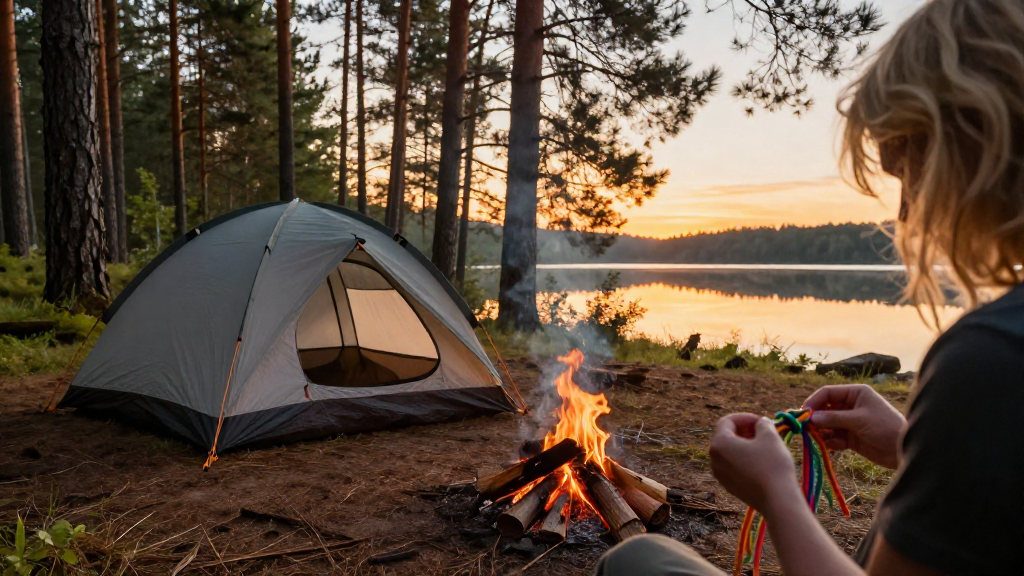
When you’re new to the great outdoors, understanding essential camping skills for beginners can make your experience enjoyable and safe.
Why Are Camping Skills for Beginners Important?
Camping is an incredible way to connect with nature, escape the daily grind, and create lasting memories.
However, without the right camping skills for beginners, your trip can quickly turn into a stressful situation.
Essential camping skills provide you with the knowledge and self-reliance needed to handle unexpected situations.
From setting up your campsite to cooking over an open fire, mastering these skills can help ensure a memorable outdoor adventure.
What Are the Basic Camping Skills for Beginners to Master?
-
Setting Up a Tent
Knowing how to set up your tent properly is fundamental.
Steps to consider include:
– Choosing a suitable location: Look for level ground, away from water sources and dead trees.
– Inspecting the tent: Check for any damages before use.
– Knowing how to layout: Familiarize yourself with poles, rainfly, and tent stakes to set it up proficiently. -
Building a Campfire
A campfire is not just for warmth; it’s essential for cooking and adding ambiance.
Here’s how to create a safe campfire:
– Select a fire pit: If one isn’t available, create a circle with rocks.
– Gather dry materials: Use tinder (dry leaves, small twigs), kindling (sticks), and fuel wood.
– Follow proper fire-building techniques: Structure it in a teepee or log cabin fashion to allow airflow. -
Cooking Over an Open Flame
Cooking while camping doesn’t have to be complicated.
Basic skills include:
– Using a portable grill or grate: This can make the cooking process much easier.
– Preparation at home: Pre-chop vegetables or marinate meats to save time.
– Basic fire cooking methods: Grilling, boiling, or using a Dutch oven for more complex meals. -
Navigating with a Map and Compass
Learning to navigate without relying solely on a smartphone can be a lifesaver.
Key navigation steps:
– Understand map symbols and scale: Familiarize yourself with reading topographic maps.
– Using a compass: Know how to find your bearings and set a course.
– Practice orienteering: Try it out on local trails before heading out on a longer expedition. -
Identifying Local Flora and Fauna
Understanding the local wildlife and plants can enhance your outdoor experience.
Essential points:
– Know edible versus toxic plants: Picking the right berries can be beneficial, while some can be harmful.
– Recognize wildlife: Be aware of which animals you might encounter and their behaviors. -
Basic First Aid
Accidents can happen anywhere, so being prepared is crucial.
First aid skills to learn include:
– Assembling a basic first aid kit: Band-aids, antiseptic wipes, pain relievers, and specific medications.
– Understanding common injuries: Know how to treat cuts, burns, and bites.
– Taking a basic first aid course: Many organizations offer certification programs. -
Campsite Etiquette
Respecting nature and fellow campers is paramount in outdoor settings.
Key principles include:
– Leave no trace principles: Pack out whatever you bring in.
– Respect quiet hours: Be considerate of others’ need for peace.
– Keep food secure: Store food properly to prevent attracting wildlife. -
Staying Hydrated and Finding Water Sources
Learning about water sources and how to purify them is essential for survival.
Quick tips:
– Identify natural water sources: Streams, lakes, and rivers may be available.
– Purification methods: Boiling, filtration, or chemical methods to ensure safety. -
Understanding Weather Conditions
Being aware of weather forecasts can save you from nasty surprises.
How to prepare:
– Dress in layers: Always be prepared for sudden weather changes.
– Learn to read natural signals: Dark clouds, wind shifts, or temperature drops can indicate a storm. -
Creating a Packing List
Being organized before a trip ensures you have everything you need.
Helpful packing tips include:- Categorizing gear: Separate items into food, sleeping, cooking, clothing, and emergency kits.
- Double-checking needs based on location: Urban camping has different requirements compared to remote backcountry sites.
How Can I Enhance My Camping Skills for Beginners?
-
Join a Camping Group
There’s no better way to learn than by immersing yourself in a community.
Groups and clubs often share knowledge and facilitate shared experiences which can make you a better camper. -
Take Online Courses
There are many free and paid resources available to help you expand your knowledge of camping skills for beginners.
Online platforms often offer video tutorials that can visually guide you through basics. -
Practice Makes Perfect
Frequent short camping trips or backyard camping can enhance your confidence.
Regular practice helps reinforce skills like tent setup, fire-building, and navigation.
Conclusion: Ready to Start Your Camping Journey?
Embarking on a camping adventure can be one of the most rewarding experiences, especially with the right camping skills for beginners.
By mastering basic skills such as setting up a tent, building a fire, and navigating the wilderness, you can ensure your trip is enjoyable and safe.
So gather your gear, learn these crucial skills, and embrace the beauty of the great outdoors!
Whether you’re a novice camper or planning your first outing, the journey begins with a solid foundation of knowledge and practice. Happy camping!