Choosing the best fitness tracker for cycling depends on more than step counting. Cyclists need dependable ride data, comfortable wear, useful heart-rate insights, and enough battery life for training or commuting.
This roundup compares 10 options across dedicated bike computers, screen-based fitness bands, smartwatches, and screenless wearables so you can match the features to your riding style and budget.
Best 10 Fitness Tracker for Cycling Picks for 2026
Long-Battery Smart Band

- 1.72-inch bright AMOLED touchscreen
- Up to 21 days of battery life
- Cycling tracking without built-in GPS
Best For: Everyday wellness tracking and casual cycling
Dedicated Ride Computer
CYCPLUS Wireless GPS Bike Computer G1

- Built-in GPS for route and altitude data
- Sunlight-readable 2-inch display
- More than 50 hours of battery life
Best For: Cyclists who want dedicated handlebar ride data
Wellness-Focused Tracker

- 40+ exercise modes with automatic tracking
- 24/7 heart-rate and sleep monitoring
- Up to 10 days of battery life
Best For: Cyclists prioritizing wellness and fitness insights
Screen-Free Simplicity

- Screenless, lightweight design for uninterrupted wear
- Up to a week of battery life with fast charging
- GPS works through a connected smartphone
Best For: Discreet daily tracking for phone-carrying cyclists
Everyday Ride Companion

- 120 sports modes include cycling
- 1.83-inch HD display with customizable watch faces
- Bluetooth calls, notifications, and music controls
Best For: Casual riders wanting a visible, multifunction smartwatch
Recovery-Focused Training
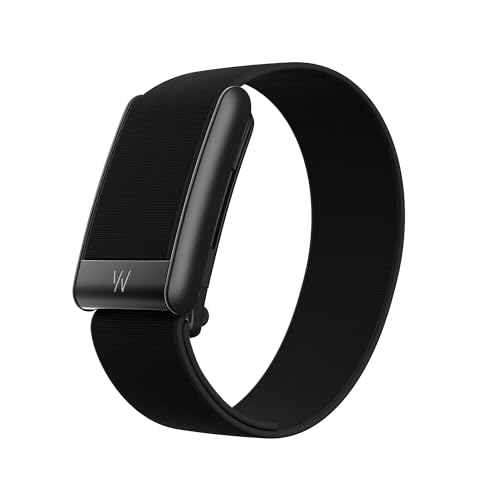
- Monitors strain, recovery, sleep, and continuous health metrics
- 14-plus-day battery supports uninterrupted tracking
- Includes a 12-month WHOOP One membership
Best For: Serious cyclists prioritizing recovery and training readiness
Best All-Day Battery

- 25 sport modes for workout tracking
- AMOLED touchscreen display
- 10–14 days of stated regular-use battery life
Best For: Cyclists seeking versatile tracking with extended battery life
Best for Water-Ready Training

- 25 selectable sport modes
- 5 ATM waterproof design
- Tracks distance, calories, and heart rate
Best For: Active users training in wet conditions
Long-Battery Smart Band – Xiaomi Mi Smart Band 10
If you want a fitness tracker for cycling that also handles everyday wellness tracking, the Xiaomi Mi Smart Band 10 offers a bright, large AMOLED display, multi-sport tracking, and up to 21 days of battery life. It can record cycling activity, but it does not have built-in GPS, so route tracking depends on a connected phone or another device.
Best For: Cyclists who want a lightweight, long-lasting activity and health tracker with a highly visible touchscreen.
Pros:
- Large 1.72-inch AMOLED display with up to 1500 nits HBM brightness for improved outdoor readability.
- Up to 21 days of battery life, with full charging in about an hour.
- Tracks heart rate, blood oxygen, sleep, and multiple sports, including cycling.
- 50-meter water resistance and a built-in electronic compass for swimming activities.
Cons:
- No built-in GPS for independent cycling route tracking.
- Xiaomi Fit supports metric measurements; imperial units require a third-party connection through Google Fit.
The Mi Smart Band 10 is a practical choice when battery life, display visibility, and general health tracking matter more than standalone cycling navigation. Riders needing detailed GPS routes should consider a dedicated bike computer instead.
Dedicated Ride Computer – CYCPLUS Wireless GPS Bike Computer G1
The CYCPLUS G1 is a strong fitness tracker for cycling if your priority is viewing ride data directly from the handlebar. Its GPS records routes and core metrics such as time, distance, and altitude, while the sunlight-readable screen and wireless design keep the setup simple.
Best For: Road and recreational cyclists who want a dedicated GPS computer for ride metrics and route tracking.
Pros:
- GPS tracks riding routes and displays time, distance, mileage, and current altitude.
- 2-inch glare-free FSTN display with automatic backlight for day or night riding.
- IPX6 water resistance and more than 50 hours of average battery life.
- Lightweight 70-gram wireless design with a handlebar mount.
Cons:
- Focuses on cycling data rather than broader health metrics such as sleep or blood oxygen.
- Uses physical buttons instead of a touchscreen.
For cycling-specific tracking, the G1 is more focused than a general smart band. Its dedicated display, GPS, long battery life, and weather-resistant design make it well suited to riders who want ride data without relying on a smartwatch screen.
Wellness-Focused Tracker – Google Fitbit Inspire 3
The Fitbit Inspire 3 is a compact fitness tracker for cycling and general exercise, with automatic exercise tracking, more than 40 exercise modes, and continuous heart-rate monitoring. It uses smartphone GPS rather than built-in GPS, making it better suited to cyclists who are comfortable carrying a phone for route information.
Best For: Fitness-minded cyclists who want detailed wellness, sleep, and exercise tracking in a slim wearable.
Pros:
- Offers more than 40 exercise modes and automatic exercise tracking.
- Provides 24/7 heart-rate monitoring, Active Zone Minutes, and all-day activity tracking.
- Includes sleep scores, stress management features, SpO2 tracking, and irregular heart-rhythm notifications.
- Up to 10 days of battery life and water resistance to 50 meters.
Cons:
- GPS is provided through a smartphone rather than built into the tracker.
- Its 0.76-inch display is smaller than the screen on many cycling computers.
The Inspire 3 is a versatile choice for riders who want cycling support alongside sleep and wellness insights. Choose a dedicated GPS bike computer instead if on-bike route and ride-data visibility are your main concerns.
Ultra-Long Battery Band – PJIVE Smart Health Fitness Tracker
The PJIVE smart bracelet is a fitness tracker for cycling aimed at users who want broad activity coverage and infrequent charging. It supports more than 170 sport modes, including cycling, tracks several health metrics, and uses smartphone GPS rather than offering independent route tracking.
Best For: Multi-sport users who want long battery life, basic cycling records, and continuous health monitoring.
Pros:
- Supports more than 170 sport modes, including cycling, with distance, calories, duration, and activity reports.
- Advertises up to 40–60 days of battery life and approximately two-hour charging.
- Tracks heart rate, blood pressure, blood oxygen, sleep stages, and steps.
- IP68 water resistance, Android and iOS compatibility, and two interchangeable straps.
Cons:
- GPS is listed as smartphone-based, so it is not a standalone cycling navigation device.
- Health tracking and cycling data are viewed through the free companion app rather than a dedicated bike-computer display.
- Supplied details list step count as the measured metric, so advanced cycling metrics are not specified.
The PJIVE band stands out for battery longevity and the breadth of its sport-mode list. It is most useful for general activity and wellness monitoring, while cyclists seeking precise on-bike navigation or advanced ride metrics should look to a dedicated GPS computer.
Screen-Free Simplicity – Fitbit Air
If you want a discreet fitness tracker for cycling, Google Fitbit Air offers comfortable, screen-free activity tracking that stays out of the way on rides. Because GPS is provided through a connected smartphone, it is best suited to cyclists who already carry their phone.
Best For: Cyclists who want lightweight, screenless health and activity tracking with long battery life.
Pros:
- Lightweight, micro-adjustable design supports continuous wear, including sleep.
- Tracks heart rate, activity, skin-temperature variation, and oxygen saturation metrics.
- Battery lasts up to a week, with up to one day of battery life from five minutes of charging.
- Water resistant to 50 meters and compatible with Android and iPhone.
Cons:
- No display for viewing ride information directly from your wrist.
- GPS functionality requires a connected smartphone.
- Some coaching features require a separately sold Google Health Premium membership after the trial.
Fitbit Air is a strong fit for riders who prioritize comfort, low distraction, and all-day health monitoring over on-bike navigation or live stats.
Everyday Ride Companion – TG08 Smartwatch
For shoppers seeking a budget-friendly fitness tracker for cycling with a visible screen, the TG08 smartwatch combines cycling tracking with a broad set of everyday smartwatch features. Its 120 sports modes, notifications, and music controls make it practical for casual rides and daily wear.
Best For: Casual cyclists who want cycling mode tracking, on-wrist notifications, and smartwatch conveniences.
Pros:
- Includes 120 sports modes, including cycling.
- 1.83-inch HD display supports customizable watch faces and readable on-wrist information.
- Bluetooth calling, notifications, and music controls add everyday convenience.
- Battery supports approximately five to seven days of active use, with IP67 water resistance.
Cons:
- The supplied details do not indicate built-in GPS, so cycling location tracking may depend on the phone or app.
- IP67 protection is intended for splashes, sweat, and brief submersion rather than extended swimming.
- Step recording begins after exceeding 20 steps.
The TG08 is more of an all-purpose smartwatch than a dedicated cycling computer, but its cycling mode and bright display make it a versatile option for recreational riders.
Recovery-Focused Training – WHOOP 5.0
WHOOP 5.0 takes a different approach to a fitness tracker for cycling by focusing on training strain, recovery, sleep, and continuous health data rather than an on-device screen. It can help cyclists understand how their riding and daily habits affect readiness, but the purchase includes a 12-month WHOOP One membership.
Best For: Training-focused cyclists who want continuous recovery, sleep, strain, and health insights.
Pros:
- Tracks strain, recovery, sleep, heart rate, HRV, respiratory rate, VO2 Max, steps, and calories.
- Screenless design supports continuous day-and-night wear.
- 14-plus-day battery life reduces charging interruptions.
- WHOOP AI and personalized coaching turn health and training data into recommendations.
Cons:
- No screen for checking cycling metrics while riding.
- The supplied package includes a 12-month membership, and continued use may involve membership costs.
- The standard included charger is corded; the waterproof wireless PowerPack is an upgrade.
WHOOP 5.0 is best viewed as a recovery and training companion for committed cyclists, not a replacement for a cycling computer or screen-based GPS watch.
Best All-Day Battery – C60 Fitness Tracker
If you want a fitness tracker for cycling that also covers everyday activity, the C60 combines workout tracking with a bright AMOLED touchscreen and extended battery life. Its 25 sport modes can record exercise time, heart rate, and distance, while the Keep Health app provides detailed data.
Best For: Cyclists who want broad activity tracking and less frequent charging.
Pros:
- 25 sport modes track workout time, heart rate, and distance.
- 1.10-inch AMOLED color touchscreen with customizable watch faces.
- Advertised battery life of 10–14 days with regular use.
- 5 ATM waterproof design for rain and water exposure.
Cons:
- Route tracking and GPS functionality are not specified in the supplied details.
- Health measurements such as blood pressure and body temperature should be treated as general wellness data, not medical guidance.
The C60 is a versatile option for riders who prioritize basic cycling metrics, all-day monitoring, and battery endurance. Consider another model if mapped routes or dedicated GPS are essential.
Best for Water-Ready Training – Zeacool Fitness Tracker
The Zeacool is a practical fitness tracker for cycling and other active routines, with 25 selectable sport modes and tracking for steps, distance, calories, and exercise data. Its 5 ATM waterproof design also suits riders who train in changing weather or include swimming in their routine.
Best For: Active users who want cycling and general workout tracking with strong water resistance.
Pros:
- 25 sport modes can be selected in the app to record sports data.
- 5 ATM waterproof construction is designed for swimming, diving, rain, and daily water exposure.
- Tracks heart rate, blood oxygen, blood pressure, temperature, sleep, steps, distance, and calories.
- Advertised battery life of up to 10 days with regular use.
Cons:
- GPS or route mapping is not listed in the supplied specifications.
- The supplied details do not identify the exact cycling metrics available in the selected sport mode.
Choose the Zeacool if waterproofing and broad wellness tracking matter as much as cycling data. It is less suited to riders who need dedicated navigation or clearly documented cycling-specific GPS features.
Best Smartphone-Connected Option – Bakoor Fitness Tracker
For shoppers seeking a fitness tracker for cycling with smartphone-connected route support, the Bakoor tracker offers 25 sport modes and connected GPS through a phone. It also provides an AMOLED display, activity tracking, notifications, and sleep monitoring in a compact daily-wear design.
Best For: Cyclists who already ride with a smartphone and want connected GPS plus everyday smart features.
Pros:
- 25 sport modes track steps, calories, distance, heart rate, and exercise time.
- Connected GPS via smartphone can record workout routes.
- AMOLED touchscreen shows calls, messages, and social notifications.
- IP68 water-resistant design and up to 7 days of stated battery life.
Cons:
- GPS requires a connected smartphone rather than being described as built-in GPS.
- Battery life is shorter than the 10–14-day claims listed for two of the other options.
- The supplied details list water resistance rather than a 5 ATM rating.
The Bakoor stands out when smartphone-connected route recording and notifications are priorities. Riders wanting standalone navigation or longer battery endurance may prefer a more specialized cycling device.
How We Picked the Best Fitness Tracker for Cycling
We grouped these products by how well they support cycling, rather than treating every wearable as a dedicated bike computer. Our comparison considers ride tracking, GPS availability, display readability, battery claims, water resistance, heart-rate monitoring, comfort, and the usefulness of companion apps.
Dedicated GPS computers generally provide the clearest cycling data, while fitness bands and smartwatches can be better all-around activity trackers. Screenless products may suit riders who prefer minimal distractions, but they depend more heavily on a phone or app for reviewing workouts.
Quick Comparison
| Type | Best for | Main advantage | Potential limitation |
|---|---|---|---|
| GPS bike computer | Road cyclists and commuters | Ride-focused data and navigation-friendly display | Less useful for general wellness tracking |
| Fitness band | Everyday activity and casual cycling | Lightweight design and long battery life | Often limited cycling metrics or onboard GPS |
| Smartwatch | Multisport users | Large feature set and phone notifications | May require more frequent charging |
| Screenless wearable | Distraction-free training | Comfortable, discreet, and recovery-focused | Limited at-a-glance ride information |
Key Buying Factors for a Fitness Tracker for Cycling
GPS and Ride Recording
Built-in GPS is valuable when you want distance, route, pace, and speed without carrying a phone. If a tracker only uses connected GPS, check whether your phone must remain nearby during rides.
Battery Life
Look beyond the headline battery figure. GPS use, screen brightness, notifications, and frequent heart-rate sampling can shorten runtime. Longer battery life is particularly useful for touring, commuting, and multi-day trips.
Display and Controls
A bright, readable screen helps when checking speed or workout duration in daylight. Physical buttons can be easier to use with cycling gloves, while touchscreen controls may be less convenient in rain or during intense efforts.
Health and Training Sensors
Continuous heart-rate tracking can help monitor effort, but wrist-based readings are not equally reliable for every cyclist. For structured training, confirm compatibility with an external chest strap or other sensors if that matters to you.
Durability and Comfort
Look for water resistance, a secure strap, and a lightweight design. A device should tolerate sweat and occasional rain without becoming uncomfortable over long rides. Treat blood-pressure and similar wellness readings as general estimates unless clinically validated.
Who Should Buy Which Fitness Tracker for Cycling?
- Choose a GPS bike computer if cycling data, ride visibility, and route-focused use matter most.
- Choose a fitness band if you want affordable activity tracking, sleep monitoring, and occasional cycling records in a small package.
- Choose a smartwatch if you also want notifications, calls, multiple sport modes, and broader everyday functionality.
- Choose a screenless tracker if you prefer unobtrusive wear and are comfortable reviewing workout details in an app.
- Choose a budget health tracker if basic heart-rate, steps, sleep, and activity metrics are your priority, but verify app quality and sensor limitations before buying.
The right Fitness Tracker for Cycling is the one that records the information you will actually use. Prioritize GPS and ride controls for serious cycling, or favor comfort, battery life, and wellness features for a device worn all day.