The best camping tarps for backpacking provide dependable rain protection without adding unnecessary weight or bulk to your pack. This roundup compares versatile rain flies, hammock shelters, and ground coverings for different overnight setups.
Use the buying guide below to match tarp size, fabric, waterproofing, and setup options to your route, shelter system, and expected weather.
Best 10 Camping Tarps for Backpacking Picks for 2026
Ultralight Ground Protection
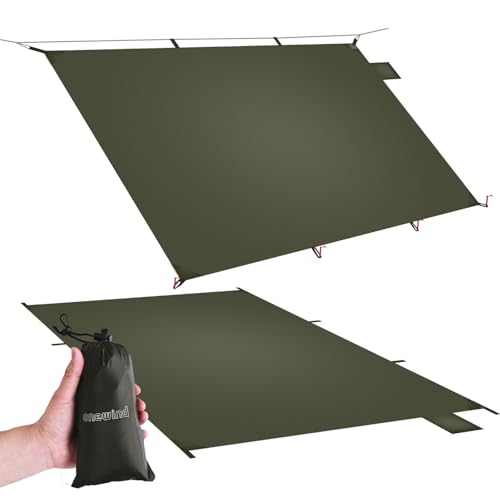
- 9.3-ounce 20D ripstop silnylon construction
- PU 4000mm waterproof coating
- Packs down to approximately 7 by 17 cm
Best For: Minimalist backpacking and thru-hiking
Complete Shelter Kit

- Large 12-by-10-foot waterproof rain fly
- Includes stakes, carabiners, adjustable ropes, and storage bags
- Provides UV, wind, and snow protection
Best For: Large hammock shelters and all-in-one setups
Rugged Utility Cover

- Double-sided waterproof polyethylene lamination
- Rip-stop fabric with reinforced edges and corners
- 7.5-by-9.5-foot multipurpose coverage
Best For: General camping and durable campsite protection
Heavy-Duty Shelter
FREE SOLDIER Waterproof Camping Tarp

- Large 10 × 10.5-foot shelter for two people
- Waterproof, UV-protective ripstop polyester
- Includes guy lines, tensioners, and stuff sack
Best For: Two-person hammock camping and durable all-weather shelter
Ground Protection
Frelaxy 80 × 80in Tent Footprint
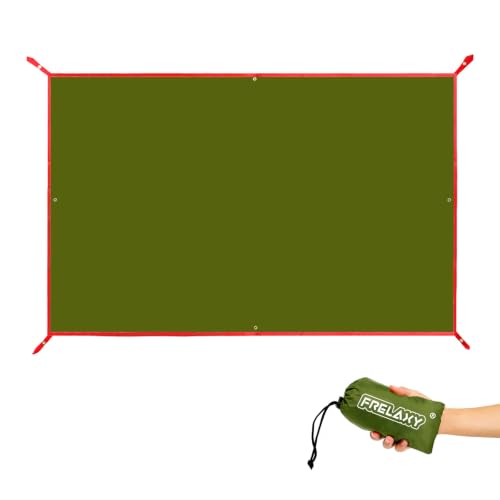
- Lightweight 0.7-pound ground tarp
- PU3000mm waterproof polyester fabric
- Useful for tents, hammocks, beaches, and general ground cover
Best For: Ultralight tent-floor and ground protection
Best All-Around Coverage

- 11-by-9-foot ripstop nylon shelter
- 3000 mm waterproof rating with taped seams
- Includes guylines, stakes, pouch, and carry bag
Best For: Backpackers needing versatile hammock or tent coverage
Best Ultralight Footprint
Azarxis Waterproof Camping Tarp

- Weighs just 6.08 ounces
- Waterproof 420D Oxford cloth
- Useful as a footprint, awning, or ground cloth
Best For: Ultralight hikers needing basic ground protection
Best Tie-Out Flexibility
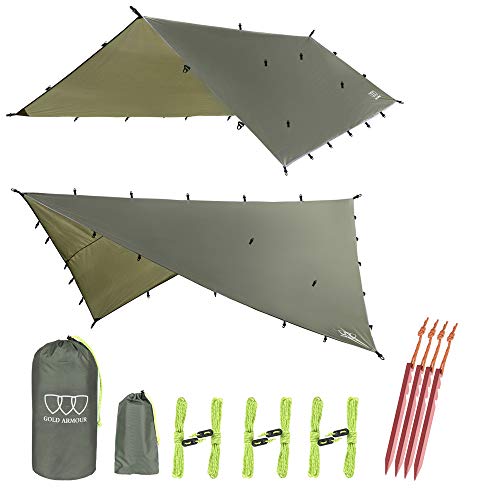
- 5,000 mm waterproof polyester shelter
- 33 tie-down points plus two centerlines
- Includes stakes, ropes, tensioners, and sack
Best For: Campers wanting adaptable large-tarp configurations
Weather-Ready Shelter – Unigear Hammock Rain Fly
For backpackers who want broad coverage and dependable weather protection, the Unigear is one of the more robust camping tarps for backpacking. Its 210D rip-stop Oxford fabric, PU 3000mm waterproof rating, and reinforced attachment points make it suited to rain, snow, wind, and sunny conditions.
Best For: Hammock camping, backpacking, hiking, and campers who need a versatile shelter with strong tie-out points.
Pros:
- 210D rip-stop Oxford fabric with PU 3000mm waterproofing
- Eight reinforced fix points with double stitching help resist ripping and leaks
- Includes six stakes and six ropes for multiple setup configurations
- Can also serve as a survival tarp, ground sheet, footprint, or sunshade
Cons:
- At 1.1 kg, it is heavier than ultralight backpacking tarps
- The listed size is 9.8 by 9.8 feet, so it may be more shelter than solo hikers need
The Unigear stands out when durability and flexible shelter options matter more than minimizing pack weight. It is a practical choice for wet-weather trips, hammock setups, and shared outdoor coverage.
Ultralight Ground Protection – Onewind Tent Footprint
The Onewind is a compact option for hikers seeking lightweight camping tarps for backpacking. Made from 1.1-ounce 20D ripstop silnylon, this 98-by-55-inch groundsheet weighs about 9.3 ounces and packs down small enough for easy storage in a backpack.
Best For: Thru-hikers, minimalist backpackers, and campers who want one lightweight sheet for ground protection, rain coverage, or shade.
Pros:
- PU 4000mm face coating and silicone backing provide waterproof protection
- Very light at about 9.3 ounces and packs to approximately 7 by 17 cm
- Multiple attachment points support use as a footprint, rain fly, sunshade, or picnic mat
- 20D high-strength ripstop silnylon is designed to resist weather and wear
Cons:
- Its 98-by-55-inch dimensions provide less coverage than larger rain tarps
- Designed primarily as a footprint and compact multipurpose sheet rather than a spacious shelter
Choose the Onewind when packability is the priority. Its narrow footprint and low weight suit solo or minimalist systems, while the attachment points let it perform several campsite roles.
Complete Shelter Kit – Rain Fly 12×10 Camping Tarp
This 12-by-10-foot Rain Fly is a convenient choice among camping tarps for backpacking because it combines broad coverage with a complete setup kit. The TPU-coated 210T polyester Diamond Ripstop fabric is designed to provide waterproof, wind, snow, and UV protection while remaining portable.
Best For: Backpackers, hammock campers, and outdoor users who want a large rain fly with stakes, carabiners, ropes, and storage included.
Pros:
- Large 12-by-10-foot coverage for hammocks, shelters, and ground protection
- Waterproof, dirt-resistant polyester with UV protection
- Includes six aluminum stakes, six carabiners, seven adjustable ropes, and storage bags
- Backed by a limited lifetime warranty covering material and workmanship defects
Cons:
- The complete kit weighs a little over two pounds, making it heavier than ultralight options
- Its larger packed system may take more room in a minimalist backpack
The Rain Fly is a strong fit for campers who value coverage and convenience. The included hardware reduces the need to assemble a separate shelter system, while the generous dimensions support several configurations.
Rugged Utility Cover – Amazon Basics Waterproof Tarp
The Amazon Basics tarp is a practical utility option for campers who need waterproof camping tarps for backpacking, tent protection, or general campsite coverage. Its rip-stop polyethylene construction is laminated on both sides and reinforced at the edges and corners for dependable tie-down strength.
Best For: Camping, tent footprints, firewood covers, vehicle protection, and emergency shelter use where rugged utility matters.
Pros:
- Waterproof polyethylene lamination on both sides
- Rip-stop construction helps prevent tears from spreading
- Reinforced edges, corners, and grommets support secure tie-downs
- 7.5-by-9.5-foot size offers useful coverage for campsite tasks
Cons:
- At 0.68 kg, it is not the lightest option for weight-focused backpacking
- Its supplied recommended use is camping, with fewer backpacking-specific details than the other options
This tarp makes the most sense for campers who want a straightforward, durable cover for multiple jobs. It is less specialized for ultralight trips but offers useful protection for tents, gear, firewood, and vehicles.
Heavy-Duty Shelter – FREE SOLDIER Waterproof Camping Tarp
For backpackers who prioritize coverage and durability, the FREE SOLDIER is a substantial option among camping tarps for backpacking. Its 10 × 10.5-foot waterproof polyester design provides room for two people, while multiple guy points support hammock and ground-shelter setups.
Best For: Two-person hammock camping, storm protection, and backpackers who prefer a heavier-duty tarp.
Pros:
- 210T ripstop polyester with a 2500 PU waterproof rating and UV protection
- Large 118 × 126-inch coverage with 19 guy points and five reinforced grommet points
- Includes four guy lines with tensioners and a stuff sack
- Can be configured as a hammock shelter, awning, or ground sheet
Cons:
- At about 42 ounces, it is heavier than ultralight backpacking tarps
- Its larger packed size may be less convenient for weight-focused trips
This tarp makes the most sense when reliable coverage and reinforced construction matter more than minimizing pack weight. It is a versatile shelter for wet, sunny, and demanding outdoor conditions.
Ultralight Versatility – JAICOM 10 × 10ft Hammock Rain Fly
The JAICOM 10 × 10-foot tarp balances broad coverage with a relatively light 2.1-pound carry weight, making it a practical choice among camping tarps for backpacking. Its waterproof, tear-resistant polyester fabric and multiple attachment points allow several shelter configurations.
Best For: Backpackers who want a versatile tarp kit for hammocks, tents, picnics, and changing camp layouts.
Pros:
- Waterproof 210T polyester fabric with press-glued seams and UPF50+ protection
- Eleven reinforced webbing attachment points support multiple setups
- Includes six aluminum stakes, eight adjustable guy ropes, and two carry bags
- 10 × 10-foot coverage weighs about 2.1 pounds
Cons:
- It is not as light as the smallest dedicated ultralight shelters
- The larger accessory set adds items to organize in a backpack
With its complete hardware package and flexible tie-out layout, the JAICOM is a convenient all-around shelter. It suits trips where adaptability and included accessories are more important than achieving the absolute lowest base weight.
Ground Protection – Frelaxy 80 × 80in Tent Footprint
The Frelaxy footprint is a lightweight alternative for backpackers who mainly need ground protection rather than an overhead rain fly. At 80 × 80 inches and 0.7 pounds, it is a compact pick among camping tarps for backpacking, with waterproof fabric designed to help keep tent floors and gear away from wet ground.
Best For: Tent-floor protection, hammock ground use, beach outings, and hikers seeking a compact ground tarp.
Pros:
- Weighs only 0.7 pounds for easier backpacking
- 190T polyester fabric has a PU3000mm waterproof rating
- High-duty grommets, thickened straps, and ripstop construction improve durability
- Available in five sizes for different tents or hammocks
Cons:
- It is primarily a ground tarp and does not provide a full overhead shelter
- No UV protection is specified
- The listed 80 × 80-inch size offers less coverage than larger shelter tarps
Choose the Frelaxy when pack weight and moisture protection under your shelter are the priorities. Its footprint-focused design is especially useful for protecting tent floors, though it is less suitable as a standalone rain fly.
Best All-Around Coverage – Wise Owl Hammock Rain Fly
For backpackers who want broad, dependable coverage, this 11-by-9-foot Wise Owl rain fly is a versatile pick among camping tarps for backpacking. Its ripstop nylon construction, taped seams, included guylines, stakes, and carry bag make it ready for hammock setups, tent protection, or emergency shelter use.
Best For: Solo backpackers and small tent or hammock systems needing a complete, weather-focused tarp kit.
Pros:
- Waterproof ripstop nylon with taped seams, reinforced stitching, and a 3000 mm water-pressure rating.
- Includes six 10-foot guylines, aluminum stakes, a stake pouch, and a waterproof carry bag.
- Offers spacious 11-by-9-foot coverage while weighing 26 ounces.
- Works as a rain fly, hammock shade, gear cover, ground layer, or emergency shelter.
Cons:
- At 26 ounces, it is heavier than some minimalist tarp options.
- The supplied details list four stakes, so larger or more complex pitches may need additional hardware.
This is a practical, adaptable choice when you value included setup components and substantial coverage over the absolute lightest pack weight.
Best Ultralight Footprint – Azarxis Waterproof Camping Tarp
At just 6.08 ounces, the Azarxis tarp is a compact option for backpackers who primarily need ground protection. This 5-by-7-foot waterproof Oxford cloth sheet can serve as a tent footprint, picnic mat, sun canopy, or basic tarp shelter, making it a lightweight entry among camping tarps for backpacking.
Best For: Hikers seeking an inexpensive, ultralight footprint or multipurpose ground cloth for smaller setups.
Pros:
- Very light at 6.08 ounces and folds into a compact storage pouch.
- Waterproof 420D Oxford cloth helps protect tents and gear from moisture.
- Can be used as a footprint, awning, sun canopy, picnic mat, or outdoor ground cover.
- Metal grommet eyelets allow staking or guylines when used as an awning.
Cons:
- The listed 5-by-7-foot size provides less coverage than larger rain flies.
- Only a storage pouch is included; stakes and guylines are not listed.
- Its supplied details do not specify a UV-protection rating.
This tarp makes the most sense as a lightweight footprint or utility sheet, rather than a full-featured overhead shelter for demanding weather.
Best Tie-Out Flexibility – Gold Armour Rainfly Tarp
The Gold Armour Rainfly Tarp stands out for its numerous setup options, with 33 tie-down loops, two centerlines, and a 5,000 mm waterproof rating. Its 12-by-10-foot polyester design is a strong contender among camping tarps for backpacking when you want flexible pitching for hammocks, tents, shade, or emergency shelter.
Best For: Backpackers and campers who want multiple anchoring points and a large, adaptable shelter.
Pros:
- Provides a 5,000 mm waterproof rating for substantial weather protection.
- Offers 33 tie-down points and two centerlines for flexible configurations.
- Includes stakes, ropes, tensioners, and a rainproof gear sack.
- Can function as a tent tarp, hammock shelter, footprint, ground sheet, blanket, or shade canopy.
Cons:
- The supplied details do not state the tarp’s weight, making pack-weight comparisons difficult.
- The 12-by-10-foot version may be more coverage than solo minimalist trips require.
- Its larger footprint can require more space and anchoring points during setup.
With strong water resistance and extensive tie-out flexibility, this is a capable choice for users who prioritize pitching versatility and included accessories.
How We Picked These Camping Tarps for Backpacking
We focused on the features that matter most on the trail: packed weight, waterproof construction, useful coverage, reinforced attachment points, portability, and setup flexibility. The selection includes dedicated hammock rain flies, multipurpose tarps, and tent footprints so you can compare products for both overhead shelter and ground protection.
We also considered whether each tarp suits ultralight backpacking, casual camping, emergency use, or mixed outdoor activities. A lightweight tarp is not automatically the best choice if it lacks adequate coverage or has limited tie-out options.
Quick Comparison
- Best for hammock users: Choose a rain fly with enough ridgeline length and side coverage to protect the hammock from wind-driven rain.
- Best for tent footprints: Look for compact, waterproof groundsheets sized close to your tent floor to reduce excess weight.
- Best multipurpose option: A rectangular tarp with several reinforced points can serve as an awning, ground cloth, rain shelter, or gear cover.
- Best for maximum coverage: Larger tarps offer more protection and pitching options but take up more pack space and may weigh more.
Key Buying Factors for Camping Tarps for Backpacking
Size and Coverage
Choose dimensions based on how you plan to pitch the tarp. A compact rain fly may work well over a hammock, while a larger rectangular shelter is more practical for sitting, cooking, or protecting multiple people. Remember that angled pitches reduce usable floor area.
Weight and Packed Size
Backpackers should compare total packed weight, including guylines, stakes, stuff sacks, and accessories. Ultralight materials save weight, but they may require more careful handling and precise campsite selection.
Waterproofing and Durability
Check the fabric, waterproof rating when provided, seam construction, and quality of the reinforced edges or tie-outs. A tarp should keep out rain while resisting abrasion from regular setup and packing.
Attachment Points and Setup
Multiple tie-outs make it easier to adapt the shelter to wind, terrain, and campsite restrictions. Stakes and guylines included in the package can simplify setup, but confirm their quality before relying on them in severe weather.
Who Should Buy Which Camping Tarps for Backpacking?
Ultralight solo backpackers should prioritize a compact tarp or footprint that covers their specific shelter while minimizing every extra ounce. Hammock campers should select a dedicated rain fly with broad side coverage and dependable ridgeline support. Couples and group campers will benefit from a larger tarp with multiple pitching configurations. Budget-minded or occasional campers may prefer a versatile multipurpose model that can protect gear, create shade, or serve as an emergency shelter. For wet ground, pair an overhead tarp with a properly sized footprint rather than using a groundsheet as a substitute for rain protection.