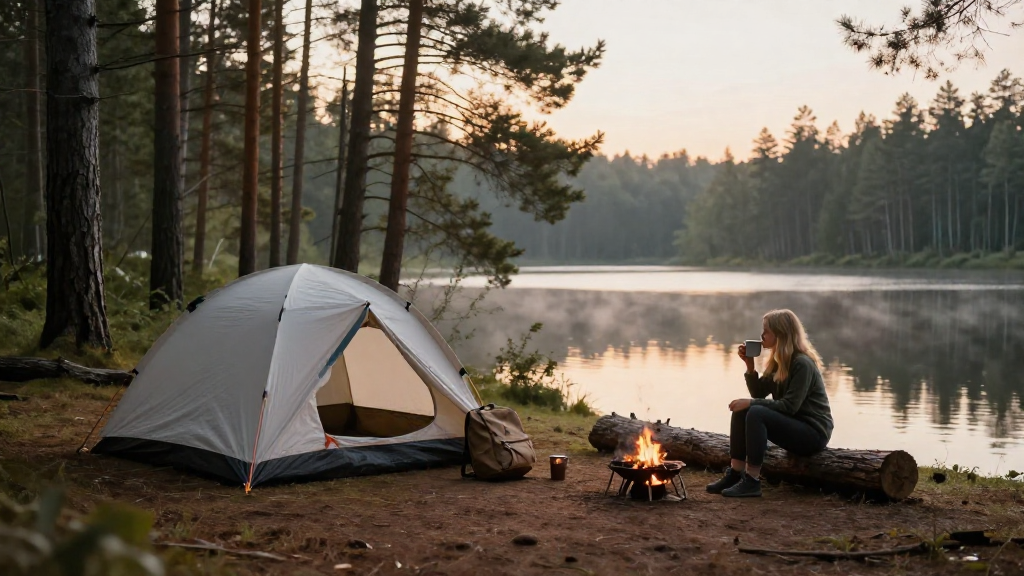
Embracing camping and minimalism can transform your outdoor experiences, offering both freedom and tranquility.
Why Choose Camping and Minimalism?
Camping and minimalism go hand in hand, promoting a lifestyle free from excess. Here are key reasons to consider this approach:
- Simplicity: Focus on what truly matters in your outdoor experience.
- Ease of Travel: Less gear means easier transportation to your camping destination.
- Environmental Benefits: Fewer resources consumed lead to lesser impact on nature.
- Mindfulness: With fewer distractions, you can connect better with the natural world around you.
By opting for minimalism while camping, you can reduce stress and enhance your connection with nature.
What Gear Do You Really Need?
When beginning the journey of camping and minimalism, it’s crucial to identify essential gear. Consider packing only items that are multifunctional and necessary:
- Shelter: Tent or tarp (choose lightweight materials).
- Sleeping: Sleeping bag (opt for a compact and weather-appropriate one).
- Cooking: Portable stove or campfire grill (along with reusable cookware).
- Light: Headlamp or flashlight (aim for LED options for longer battery life).
- Clothing: Layered clothing (prioritize moisture-wicking and quick-dry fabric).
What Should You Leave Behind?
To fully embrace camping and minimalism, let go of non-essentials that weigh you down. Consider avoiding:
- Excessive clothing items.
- Multiple cooking gadgets.
- Heavy camping gear.
- Electronics (apart from maybe a phone for safety).
By leaving these items behind, you lighten your load and make space for greater experiences.
How Can You Plan an Efficient Packing List?
A concise packing list is fundamental when practicing camping and minimalism. Follow these steps to create your perfect list:
- Assess your needs: What do you require for safety, comfort, and enjoyment?
- Prioritize multi-use items: For instance, a buff can serve as a headband, neck warmer, and face mask.
- Stick to the essentials: Limit yourself to only the most necessary items on your list.
- Prepare for various weather conditions: Make sure to pack layers that can be added or removed easily.
Example Minimalist Packing List
- 1 Tent and footprint
- 1 Sleeping bag rated for local temperatures
- 1 Lightweight backpack
- Reusable dishware (bowl, cup, utensils)
- Basic first aid kit
- Water filter/purification tablets
Sticking to a structured packing list helps maintain the camping and minimalism philosophy, allowing you to enjoy your adventure without excess baggage.
What About Food Preparation?
Food can often be an area where campers feel they need to overpack. However, minimalism encourages us to pare down our culinary approach while camping. Make meal prep simpler by following these tips:
- Plan simple meals: Think one-pot meals or easy-to-cook options like dehydrated meals.
- Bring refillable containers: Reduce waste by using them for snacks or prepared foods.
- Choose versatile ingredients: Use foods that can serve multiple meals.
Example Minimalist Meal Ideas
- Breakfast: Oatmeal with dried fruit and nuts.
- Lunch: Wraps with nut butter and banana or hummus and veggies.
- Dinner: Quinoa with beans and vegetables cooked in one pot.
The goal here is to be prepared without overdoing it. Less preparation can mean more time to enjoy the beauty around you.
How Do You Stay Organized?
When camping with a minimalist mindset, it’s crucial to stay organized. Here are tips to achieve a clutter-free camp:
- Use storage bags: Organize your camping gear in labeled bags.
- Create zones: Keep areas for cooking, sleeping, and relaxing clearly defined.
- Implement a daily tidy-up routine: Spend a few minutes every day organizing your camp to keep it orderly.
Why Is Organization Important?
A clutter-free campsite fosters:
- Calmness: A neat environment is easier to navigate.
- Less stress: Reducing unnecessary chaos allows you to focus on enjoying nature.
By embracing these organizational techniques, you epitomize camping and minimalism.
How Can Technology Help You Camp Minimally?
While minimalism often implies less technology, certain apps and gadgets can enhance your camping experience by reducing clutter. Consider using:
- Navigation apps: Save maps offline to avoid carrying bulky paper maps.
- Outdoor cooking apps: Find instant recipes and meal plans that are compact.
- Weather apps: Stay informed about changing weather conditions while minimizing the need for multiple weather gear.
Do You Really Need a Phone?
A phone can serve many purposes during your camping journey. However, if you choose to disconnect completely, consider alternative methods for navigation and weather information while maintaining the essence of camping and minimalism.
How Do You Maintain a Minimalist Mindset While Camping?
Lastly, embracing a minimalist mindset throughout your camping trip is crucial. Here’s how:
- Practice gratitude: Take time to appreciate the simple wonders of nature around you.
- Engage in mindfulness: Focus on your surroundings—sounds, sights, and smells.
- Limit distractions: Consider a tech-free camping experience when possible.
Why Is This Important?
Maintaining a minimalist mindset helps in achieving the core principles of camping and minimalism—to unplug, unwind, and immerse oneself fully in the natural world.
In Conclusion
Incorporating camping and minimalism into your outdoor excursions requires thoughtful planning and a shift in mindset.
By evaluating what’s truly essential, staying organized, and embracing simplicity, you can enjoy camping in a way that emphasizes liberation and connection, rather than clutter and chaos.
The next time you venture into the great outdoors, remember the values of minimalism to enhance your experience.
Happy camping!