The best folding saws for backpacking make quick work of firewood, small branches, and trail-clearing jobs without taking up the space of a full-size bow saw. The right choice balances cutting speed, packed size, weight, grip comfort, and blade durability.
We compared 10 popular models across compact pocket saws, pruning-style designs, and larger folding frames to help you choose a practical saw for your pack and typical campsite tasks.
Best 10 Folding Saws for Backpacking Picks for 2026
Trail-Ready Classic

- 7.5-inch rust-protected Swedish steel blade
- Locks open and closed for secure packing
- Lightweight handle with strong all-weather grip
Best For: Compact campsite prep and trail maintenance
Precision Pocket Cutter

- 6.7-inch plated steel blade with hardened teeth
- Arbor-composite grip for wet or cold conditions
- Includes a storage case and weighs 8.8 ounces
Best For: Controlled branch cutting and compact carry
Large-Capacity Camp Saw

- 12-inch blade for larger wood
- Folds flat while staying assembled
- Textured rubber grip and four pivot points
Best For: Campers carrying a larger, packable saw
Maximum Reach Frame Saw

- 21-inch blade for substantial cutting reach
- Unfolds quickly with automatic tensioning
- Protective aluminum frame conceals teeth when folded
Best For: Trail clearing and larger wood off-trail
Heavy-Duty Pick

- 11-inch SK-5 steel blade with 7 TPI teeth
- Handles branches up to about 6–7 inches
- Folds for backpacking and survival kits
Best For: Larger branch cutting on camping and bushcraft trips
Versatile Locking Blade
Fiskars 10-Inch Folding Pruning Saw
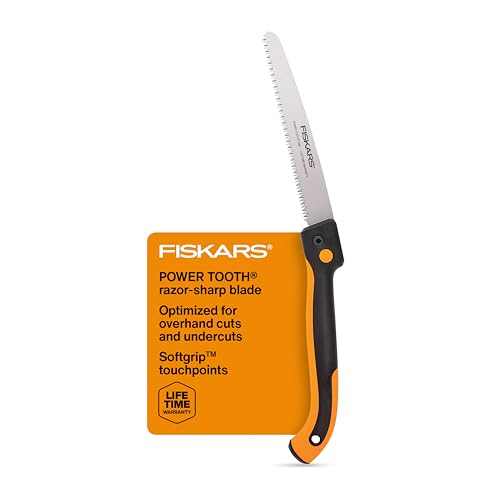
- Triple-ground power-tooth blade
- Locks in two positions for different cuts
- Folds into the handle for storage
Best For: Backpacking and bushcraft users needing cutting-position flexibility
Compact Carry Pick

- Bimetal, Teflon-coated blade
- Auto-locking folding design
- Includes a belt- or backpack-compatible pouch
Best For: Compact trail trimming and camp tasks
Best All-Around Value
11-Inch Triple-Cut Camping Saw

- 7 TPI triple-cut SK5 blade
- Folds for backpack-friendly storage
- Non-slip TPR handle
Best For: Versatile camping, bushcraft, and branch cutting
Best for Large Branches
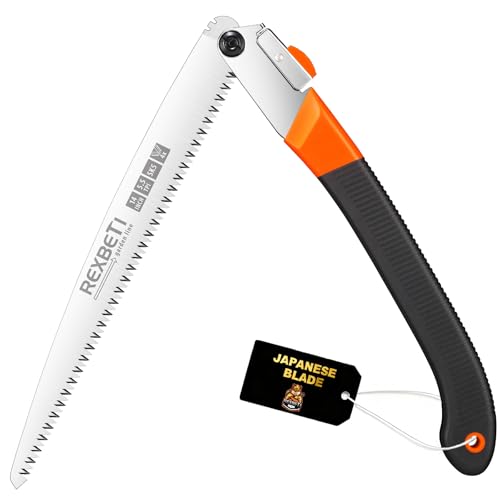
- Long 14-inch SK-5 steel blade
- 5.5 TPI staggered cutting teeth
- Weighs 14.5 ounces
Best For: Thick branches, firewood, and serious woodcraft
Best Lightweight Frame Saw

- Long 21-inch steel blade
- Lightweight 15.2-ounce design
- Frame stores extra blades
Best For: Trail clearing, firewood preparation, and stable frame sawing
Trail-Ready Classic – Bahco Laplander
The Bahco Laplander is a lightweight, straightforward choice among folding saws for backpacking. Its 7.5-inch rust-protected Swedish steel blade, secure folding lock, and comfortable two-component handle suit campsite prep, trail clearing, and general wood processing.
Best For: Backpackers who want a compact, versatile saw for green or dry wood and occasional trail maintenance.
Pros:
- 7.5-inch XT-toothed blade provides fast cutting through wood and brush.
- Folds and locks in both open and closed positions for safer packing.
- Lightweight 7.52-ounce design with a non-slip handle and included leather strap.
Cons:
- The 7.5-inch blade is less suited to larger-diameter wood than longer saws.
- Plastic handle may feel less substantial than framed or composite alternatives.
Choose the Laplander when packability and everyday versatility matter more than maximum cutting capacity. Its manageable size and broad material compatibility make it a practical camp and trail tool.
Precision Pocket Cutter – Silky Pocketboy Outback
The Silky Pocketboy Outback is a refined option among folding saws for backpacking, combining a 6.7-inch blade with a grippy arbor-composite handle and included storage case. Its plated, impulse-hardened teeth are designed for smooth cutting across pruning, branch work, and game-processing tasks.
Best For: Backpackers who prioritize controlled, smooth cuts and a compact saw for branches and varied outdoor work.
Pros:
- Lightweight 8.8-ounce folding design with a storage case.
- Impulse-hardened, taper-ground teeth are built for durable cutting performance.
- Composite handle is designed for grip in wet, cold, and game-processing conditions.
Cons:
- The 6.7-inch blade limits reach compared with larger camp saws.
- Its specialized cutting design may be more than casual campsite users need.
The Pocketboy Outback stands out for hikers who value cutting refinement and handle control in a small package. It is a particularly appealing choice when smooth, accurate branch cuts are more important than maximum blade length.
Large-Capacity Camp Saw – Gerber Freescape 12-Inch
The Gerber Freescape is a larger folding saw for backpacking, with a 12-inch blade and four pivot points intended to make better use of its cutting length. It folds flat while remaining assembled, making it easier to pack for camping, hiking, pruning, and bushcraft.
Best For: Campers and backpackers who want more blade reach for larger wood and prefer a flat-folding design.
Pros:
- 12-inch blade offers more capacity than compact folding saws.
- Folds completely flat without requiring loose parts to be removed.
- Textured rubber handle provides a secure grip in varied conditions.
Cons:
- At 16 ounces, it is substantially heavier than the smaller saws here.
- Its larger folded footprint may be less convenient for ultralight packing.
The Freescape makes sense when cutting capacity takes priority over minimum weight. Its flat-folding construction is convenient, but the 12-inch blade and 16-ounce weight are best matched to trips where larger camp wood is part of the plan.
Maximum Reach Frame Saw – AGAWA BOREAL21
The AGAWA BOREAL21 is a long-reach folding saw for backpacking, pairing a 21-inch blade with an anodized aluminum frame and automatic blade tensioning. Its three-hinged design unfolds in seconds, conceals the teeth when folded, and packs into a protective frame.
Best For: Off-trail backpackers, hunters, and campers who need substantial cutting reach for clearing trails or processing larger wood.
Pros:
- 21-inch blade provides substantial reach and cutting capacity.
- Automatic tensioning and a no-loose-parts folding design simplify setup.
- Aluminum frame, stainless hardware, and rust-protected blade support outdoor use.
Cons:
- At 18 ounces, it is heavier than compact folding saws.
- Its larger frame may be excessive for short trips or light pruning.
The BOREAL21 is the capacity-focused pick in this group. It sacrifices some weight and compactness for a long blade, quick deployment, concealed teeth, and a frame designed for demanding outdoor cutting.
Heavy-Duty Pick – REXBETI 11-Inch Folding Saw
For backpackers who expect to cut larger branches, the REXBETI 11-inch folding saw combines an SK-5 steel blade with aggressive 7 TPI staggered teeth. Its compact folding design and rubber-coated handle make it a practical choice for camping, bushcraft, survival kits, and trail tasks.
Best For: Backpacking and outdoor users who want higher cutting capacity for green wood, firewood, and branches up to about 6–7 inches.
Pros:
- 11-inch SK-5 steel blade with aggressive staggered teeth
- Designed for branches up to approximately 6–7 inches
- Folding construction is portable for packs and survival bags
- Rubber-coated handle supports grip in wet, cold, or dry conditions
Cons:
- Larger blade may take up more pack space than shorter folding saws
- At 14.88 ounces, it is not the lightest option listed
The REXBETI is a strong fit when cutting power matters more than minimizing every ounce. Its longer blade and reinforced construction favor demanding branch-cutting jobs, while the folding format keeps it practical for backpacking.
Versatile Locking Blade – Fiskars 10-Inch Folding Pruning Saw
The Fiskars 10-inch folding pruning saw is a versatile option among folding saws for backpacking, with a triple-ground power-tooth blade and two locking positions. The blade folds into the handle for transport and can be set up for both overhand and under cuts.
Best For: Backpackers and bushcrafters who value cutting versatility, compact storage, and a non-slip grip.
Pros:
- Triple-ground power-tooth blade supports fast, aggressive cuts
- Dual locking positions accommodate overhand and under cuts
- Blade folds into the handle for convenient transport
- Non-slip grip provides added control
Cons:
- Its 10-inch blade is less compact than a smaller 7-inch model
- The supplied details do not specify a carry pouch
The Fiskars stands out for its dual-position blade lock. That flexibility can be useful when trail work involves branches at different angles, while the folding handle and lifetime warranty add practical value for regular outdoor use.
Compact Carry Pick – MOSSY OAK 7-Inch Folding Saw
The MOSSY OAK 7-inch folding saw is a compact choice for backpacking, camping, and survival kits. Its bimetal, Teflon-coated blade uses 7 TPI triple-ground teeth, while the auto-lock design and included pouch make carrying and storing the saw straightforward.
Best For: Backpackers who prioritize compact carry, protected storage, and efficient cutting of smaller branches.
Pros:
- D6A and M2 bimetal blade is designed for sharpness and durability
- Teflon coating reduces friction and resists rust
- Auto-locking blade helps secure it when fully opened
- Included pouch attaches to belts or backpacks
Cons:
- 7-inch blade offers less reach and capacity than the longer models
- Its 0.26 kg weight is not the lightest despite the compact size
The MOSSY OAK is especially convenient when packability and carry protection are priorities. The shorter blade suits routine trail trimming and camp tasks, while the pouch keeps the folded saw accessible without exposing its teeth.
Best All-Around Value – 11-Inch Triple-Cut Camping Saw
For backpackers who want a compact tool for camp chores and light trail work, this folding saw combines an 11-inch curved SK5 blade with aggressive 7 TPI teeth. Its folding format fits conveniently in a backpack, while the rubberized handle supports controlled cutting through green or dry wood.
Best For: Backpacking, camping, bushcraft, and general branch or firewood cutting.
Pros:
- Triple-cut SK5 high-carbon steel blade with 7 TPI razor teeth.
- Compact folding design is easy to pack in a backpack or tool bag.
- Non-slip TPR handle helps provide comfort and control.
- Suitable for green wood, dry wood, branches, and firewood.
Cons:
- Its 11-inch blade is shorter than the larger saws in this roundup.
- The supplied specifications describe manual cutting only, with no power assistance.
This is a practical middle-ground choice among folding saws for backpacking: compact enough to carry, yet equipped for a range of routine outdoor cutting tasks.
Best for Large Branches – REXBETI 14-Inch Folding Saw
The REXBETI stands out for backpackers who need extra reach and cutting capacity without carrying a full-size rigid saw. Its 14-inch hardened SK-5 blade folds for transport, weighs 14.5 ounces, and uses aggressive 5.5 TPI staggered teeth for thick branches and firewood.
Best For: Serious woodcraft, bushcraft, camping, and cutting branches up to the stated 7- to 10-inch range.
Pros:
- Long 14-inch blade provides more cutting capacity than shorter folding saws.
- Staggered 5.5 TPI teeth use four cutting angles for efficient sawing.
- Folding design reduces the full-size saw to a more portable format.
- 8-inch rubber-coated polymer handle supports a firm grip in varied weather.
Cons:
- The longer blade may be more saw than casual backpackers need.
- Its 14-inch folded length takes more pack space than smaller models.
- The listed surface recommendation is metal, although the product highlights emphasize wood cutting.
Choose this model when cutting power and blade reach matter more than minimum packed size. At 14.5 ounces, it remains relatively light for a large folding saw.
Best Lightweight Frame Saw – Coghlan’s 21-Inch Folding Saw
Coghlan’s folding frame saw offers a long 21-inch steel blade in a lightweight design suited to camping, hiking, and trail maintenance. The triangular anodized aluminum frame adds stability while folding for storage, and the frame can hold extra blades for longer projects or emergency repairs.
Best For: Campers and hikers who prioritize a long cutting stroke, stable frame, and 15-ounce carry weight.
Pros:
- 21-inch blade supports efficient cutting through branches and firewood.
- Anodized aluminum triangular frame is both lightweight and portable.
- Frame holds extra blades for extended outdoor tasks.
- Folding construction makes storage and transport convenient.
Cons:
- The frame-style design may occupy more packed length than compact folding hand saws.
- Its 6-tooth specification is less aggressive on paper than the 7 TPI model in this roundup.
- At 15.2 ounces, it is slightly heavier than the REXBETI.
This is a strong option for folding saws for backpacking when reach and frame stability are priorities. It is especially appealing for clearing trails or preparing larger amounts of camp wood.
How We Picked the Best Folding Saws for Backpacking
We focused on features that matter in the backcountry: folded dimensions, overall weight, blade length, tooth design, locking security, handle comfort, and ease of carrying. The selection includes compact saws for occasional camp use as well as longer models suited to larger branches and more demanding cutting.
We also considered versatility. A lightweight pocket saw may be ideal for backpackers counting every ounce, while a rigid frame saw can deliver faster, more controlled cuts when firewood preparation is a priority. Because specifications and included accessories vary, verify the current manufacturer or retailer listing before buying.
Quick Comparison
| Type | Best For | Main Advantage | Potential Trade-Off |
|---|---|---|---|
| Compact pocket saw | Ultralight backpacking and small branches | Small packed size and low weight | Slower on thick wood |
| Pruning-style folding saw | General camp chores and trail maintenance | Simple, versatile handling | Less rigid than a framed saw |
| Long-frame folding saw | Frequent firewood cutting | Longer stroke and better clearance | Bulkier in a pack |
Key Buying Factors for Folding Saws for Backpacking
Weight and Packed Size
For long trips, a compact saw that fits inside a pack pocket can be more useful than a larger, faster model left at home. Check both the saw’s weight and its folded length, particularly if you use a lightweight or minimalist pack.
Blade Length and Tooth Pattern
Longer blades generally offer more cutting capacity and a longer stroke, but they add bulk. Coarser teeth remove wood quickly, while finer or specialized pruning teeth can provide smoother control on smaller branches. Look for a replaceable blade if you expect frequent use.
Locking Mechanism and Grip
A secure open-position lock is essential for safe, efficient sawing. A comfortable, nonslip handle helps reduce fatigue, especially in cold or wet conditions. The blade should also fold or close securely for transport.
Durability and Maintenance
Coated or corrosion-resistant steel is useful in damp environments, but every blade benefits from being wiped clean and dried after use. Avoid twisting the saw during a cut; even a durable blade can bend or bind under lateral pressure.
Who Should Buy Which Folding Saws for Backpacking?
Choose a compact model such as the Bahco Laplander or Silky Pocketboy when low weight and packability matter most. These are sensible choices for hikers who mainly cut small-to-medium branches or want an emergency camp saw.
A mid-size pruning saw from Fiskars, MOSSY OAK, or REXBETI is a practical all-around option for occasional firewood, campsite chores, and light trail work. If you regularly process thicker branches, consider a longer model such as the Gerber, AGAWA, or Coghlan’s frame saw. Their larger cutting arcs can improve productivity, though the added size is harder to justify for ultralight trips.