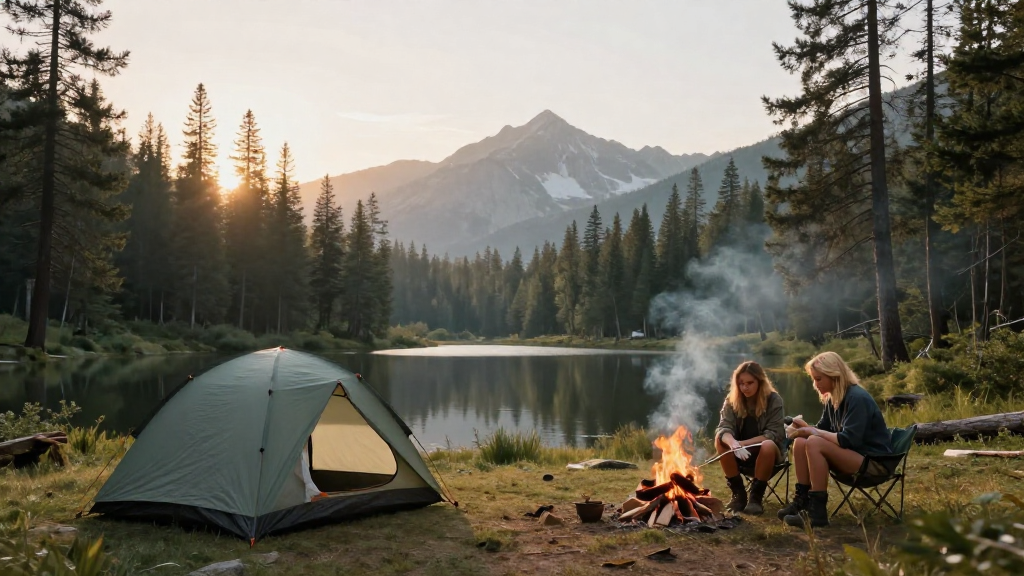
Are you yearning for an adventure in nature? Camping on a mountain can provide an exhilarating experience filled with breathtaking views, fresh air, and proximity to wildlife.
In this guide, we’ll break down everything you need to know about camping on a mountain, from preparation to what to pack, and safety tips to ensure an enjoyable trip.
What Preparations Are Needed Before Camping on a Mountain?
Planning is crucial for a successful mountain camping trip. Here are essential steps to take:
-
Choose Your Location
Select a mountain range that suits your experience level. Popular locations include the Rocky Mountains, Sierra Nevada, and the Appalachian Trail. Research local regulations, weather patterns, and available camping grounds. -
Check the Weather
Mountain weather can change rapidly. Check forecasts regularly, and be prepared for rain, snow, or sudden temperature drops. -
Book Campsites in Advance
Depending on your chosen destination, campsites may require reservations. Make sure to book early, especially during peak seasons. -
Know Your Skill Level
Be realistic about your camping experience. If you are a beginner, it might be prudent to camp in a well-established area with access to facilities. -
Gather Information
Familiarize yourself with the terrain, trails, and local wildlife. Understanding your environment can prevent unpleasant surprises.
What Should You Pack for Mountain Camping?
Packing the right gear for camping on a mountain is essential for a safe and enjoyable experience. Here’s a checklist of must-have items:
- Shelter and Sleeping Gear
- Tent (lightweight and weather-resistant)
- Sleeping bag (suitable for the expected temperature)
-
Sleeping pad or inflatable mattress
-
Cooking Supplies
- Portable stove or campfire equipment
- Cooking utensils (pot, pan, and cutlery)
- Biodegradable soap and sponge for cleaning
-
Non-perishable food items
-
Clothing
- Layered clothing (base, insulation, and waterproof layers)
- Sturdy hiking boots
- Warm hat and gloves
-
Extra socks and underwear
-
Navigation Equipment
- Map and compass or GPS device
-
Headlamp or flashlight with extra batteries
-
Safety Tools
- First aid kit
- Multi-tool or knife
-
Whistle and firestarter kit
-
Support Items
- Backpack with sufficient capacity
- Water bottles or hydration system
How Can You Stay Safe While Camping on a Mountain?
Safety should always come first when you’re camping on a mountain. Here are some tips to help you avoid potential hazards:
-
Stay Hydrated
Always carry enough water and have a backup plan for refilling using purification tablets or filters. -
Know Your Limits
Listen to your body. If you feel too tired to hike back, it may be wise to set up camp and rest. -
Follow Trail Etiquette
Stick to marked trails to protect the wild flora and fauna, and yield to faster hikers on the path. -
Be Wild-Aware
Research local wildlife and know how to react if you encounter animals such as bears or snakes. -
Pack Out What You Pack In
Leave no trace. Take your trash and leftovers back with you to keep the natural environment pristine.
What Activities Can You Do While Camping on a Mountain?
While camping on a mountain, there are numerous activities to enhance your experience:
-
Hiking
Explore various trails based on your skill level, ranging from easy nature walks to rigorous mountain climbs. -
Bird Watching
Enjoy the diverse wildlife and learn to identify local bird species. -
Photography
Capture stunning landscapes, sunrises, and wildlife moments. -
Fishing
If you’re near a water body, consider bringing your fishing gear. Always check local regulations to avoid fines. -
Star Gazing
Far from city lights, enjoy the blanket of stars. Bring a telescope or simply lay back and admire the night sky.
What Are the Best Practices for Cooking While Mountain Camping?
Cooking in the great outdoors can be both rewarding and challenging. Here are best practices to follow when camping on a mountain:
-
Choose Simple Recipes
Opt for meals that require minimal preparation. Consider dishes like dehydrated meals or simple pasta. -
Follow Fire Safety Rules
If starting a campfire, use established fire rings, keep fires small, and completely extinguish them before leaving. -
Store Food Properly
Use bear canisters or hang food bags out of reach from wildlife. -
Clean Up Promptly
Wash dishes immediately after eating to avoid attracting unwanted visitors. -
Prepare for Wind and Cold
Wind can affect cooking time, and cooler temperatures can cool food quickly. Choose a sheltered spot for your cooking area.
How Can You Leave No Trace While Camping on a Mountain?
An important responsibility of being in nature is practicing Leave No Trace principles. Follow these guidelines while camping on a mountain:
-
Plan Ahead
Research the area before arriving to minimize impact on sensitive environments. -
Travel and Camp on Durable Surfaces
Stay on established trails and camp in designated spots to prevent erosion. -
Dispose of Waste Properly
Pack out all trash, leftover food, and even toilet paper. Use established bathrooms or follow local guidelines for disposing of human waste. -
Leave Natural and Cultural Features Undisturbed
Avoid picking plants, disturbing wildlife, or removing rocks and artifacts. -
Respect Other Visitors
Keep noise levels down and maintain a safe distance from other campers to ensure everyone enjoys the tranquility of nature.
Conclusion
Camping on a mountain is one of the most rewarding ways to experience the great outdoors. By preparing adequately, packing wisely, and adhering to safety and environmental guidelines, you’ll create unforgettable memories amidst stunning landscapes.
Embrace the beauty of nature, challenge yourself, and take time to reflect under the vast sky. Now that you have the information needed, it’s time to gear up and hit the trails! Remember to cherish the moments, respect the wilderness, and your journey will be both safe and fulfilling. Happy camping!