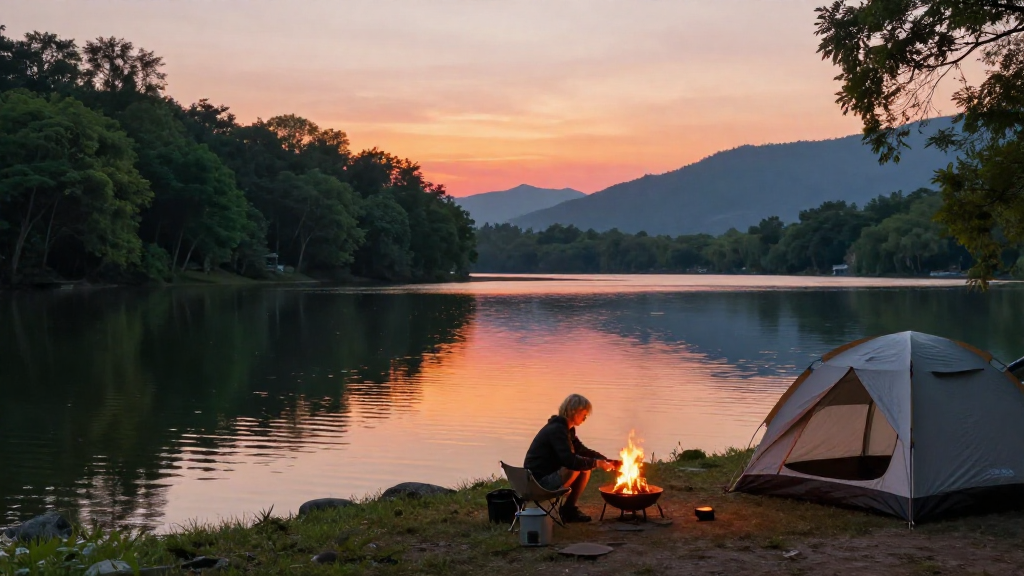
Camping near lakes can provide stunning views, peaceful surroundings, and opportunities for various recreational activities.
However, safety should always be your top priority when setting up camp in these beautiful areas.
What Should I Know Before Camping Near Lakes?
Understanding the environment and its potential hazards can help ensure a safe and enjoyable camping experience.
Here are essential tips to consider:
-
Research the Area:
– Look up camping regulations and guidelines specific to your chosen lake.
– Discover if you need a permit and what rules apply regarding campfires, wildlife, and fishing. -
Weather Awareness:
– Check the weather forecast prior to your trip.
– Be prepared for sudden storms or temperature drops, which can be common near lakes. -
Wildlife Precautions:
– Familiarize yourself with local wildlife and their behaviors.
– Store food properly to deter animals, using bear-proof containers if necessary. -
Water Safety:
– Be aware of currents, especially in rivers flowing from lakes.
– Always wear a life jacket when kayaking or swimming.
How Do I Choose the Right Spot for Camping Near Lakes?
The location of your campsite can greatly impact your safety and comfort.
Here are some tips to help you pick the perfect spot:
- Distance from Water:
-
Camp at least 200 feet away from the water’s edge to minimize the risk of flooding and wildlife encounters.
-
Avoid Hazards:
-
Stay clear of steep banks, dead trees, and areas prone to landslides.
-
Sunlight and Wind:
-
Choose a spot that will receive morning sunlight but not be too exposed to harsh winds.
-
Flat Ground:
- Set up your tent on stable, flat ground to ensure comfort while sleeping.
How Can I Stay Safe Around Water While Camping Near Lakes?
Water activities can be fun, but they also pose certain risks.
Follow these safety tips to enjoy the water while camping near lakes:
-
Swimming Safety:
– Always swim with a buddy and supervise children closely.
– Avoid swimming in areas with strong currents or unknown depths. -
Boating Precautions:
– Use a reputable company for rentals and ensure you receive proper safety gear.
– Check that your boat is equipped with all necessary safety equipment, such as life jackets and flares. -
Fishing Safely:
– Verify local fishing regulations and licenses.
– Be cautious while using fishing equipment and aware of hooks and lines. -
Emergency Preparedness:
– Keep a first aid kit handy and know how to use the equipment inside.
– Have a plan in case someone gets lost or injured.
What Should I Pack for Camping Near Lakes?
Having the right equipment is essential for a successful trip.
Here’s a useful packing list for your camping near lakes adventure:
- Shelter and Sleeping Gear:
-
Tent, sleeping bag, and sleeping pad.
-
Cooking Supplies:
-
Portable stove, cooking utensils, and biodegradable soap.
-
Water Gear:
-
Water bottles, purification tablets, or a filtration system.
-
Safety Items:
-
First aid kit, insect repellent, sunscreen, and a multi-tool.
-
Recreation Equipment:
- Fishing gear, kayak, or paddleboard, and lightweight chairs for lounging.
How Do I Respect Nature While Camping Near Lakes?
It’s crucial to leave no trace and minimize your impact on the environment.
Here are steps you can take to be a responsible camper:
- Leave No Trace:
-
Take all garbage with you, including biodegradable waste.
-
Respect Wildlife:
-
Observe animals from a distance and never feed them.
-
Campfire Restrictions:
-
Follow local regulations concerning campfires. Use established fire rings if allowed.
-
Stay on Trails:
- Stick to designated paths to preserve the natural flora and fauna.
What Are the Benefits of Camping Near Lakes?
Camping near lakes, when done safely, offers numerous benefits:
-
Recreational Opportunities:
– Swim, fish, kayak, or simply enjoy the tranquility of water views. -
Scenic Beauty:
– Experience breathtaking sunrises and sunsets reflected on the water. -
Nature Exploration:
– Discover diverse ecosystems and wildlife habitats nearby. -
Mental Health Benefits:
– Enjoy peace and calm, with the sounds of nature promoting relaxation.
Can I Camp Year-Round Near Lakes?
While camping near lakes is most popular during the summer, many locations offer year-round opportunities.
Here’s what to consider for winter camping:
- Winter Preparation:
-
Invest in suitable cold-weather gear, including a four-season tent and insulated sleeping bags.
-
Snow and Ice Safety:
-
Be cautious near frozen lakes, as ice thickness can vary.
-
Access and Regulations:
- Check if winter camping is permitted and what services are available in the colder months.
In Summary: How to Camp Near Lakes Safely?
Camping near lakes can be a rejuvenating escape from the bustle of daily life.
By following these guidelines:
- Choose a safe campsite, aware of your surroundings and the environment.
- Prepare for water activities and respect safety regulations to ensure enjoyment.
- Pack wisely and practice Leave No Trace principles to preserve nature for future visitors.
By prioritizing safety and responsible camping practices, you can create unforgettable memories while immersing yourself in the beauty of lakeside camping.
Happy camping!