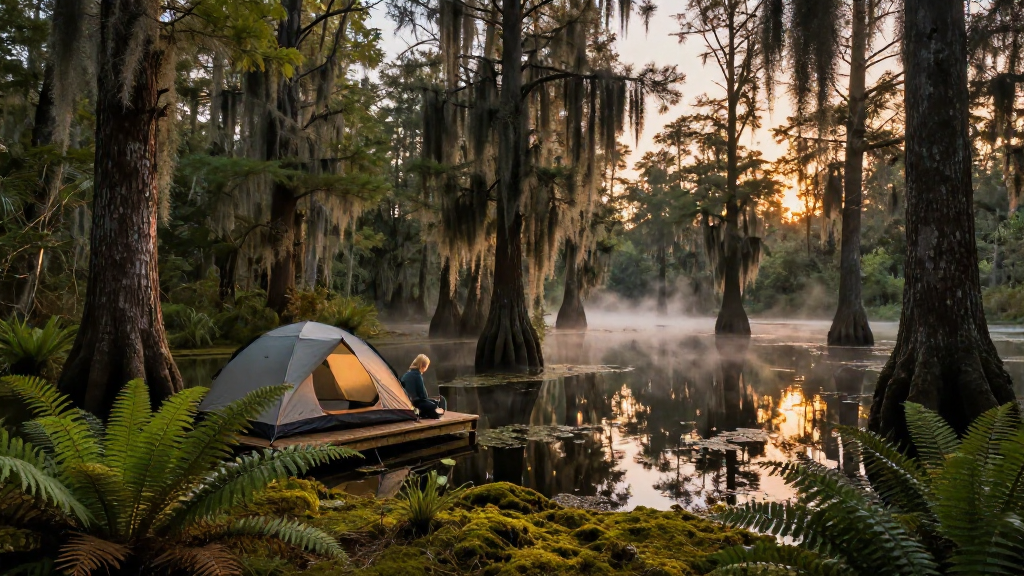
Camping in swampy areas can be a rewarding adventure if approached with the right knowledge and preparation.
In this guide, we’ll explore essential tips for camping in swampy areas, ensuring you have a safe and enjoyable experience.
What Should You Know Before Camping in Swampy Areas?
Before diving into the specifics of camping in swampy areas, it’s essential to understand the unique challenges and considerations that come with such environments. Swamps can be beautiful but also treacherous.
Here are key factors to consider:
- Terrain: Swampy areas often feature muddy trails and uneven ground, making navigation tricky.
- Wildlife: Insects and other wildlife are more prevalent in wetlands. Be prepared to deal with mosquitoes, ticks, and potentially larger animals.
- Weather Conditions: Swamp areas can be prone to sudden weather changes—know the forecast and prepare for rain.
- Water Management: You may have to contend with high water levels and rainy conditions, so it’s crucial to plan accordingly.
How Do You Choose the Right Location?
Choosing the perfect spot can make or break your experience. When camping in swampy areas, consider the following:
- Elevated Ground: Look for spots that are slightly elevated. This will minimize the risk of flooding and standing water.
- Proximity to Water: Avoid setting up camp too close to rivers, streams, or stagnant water to reduce chances of mosquito infestations.
- Resources: Ensure you’re near necessary resources like firewood and potable water sources.
- Sunlight and Wind: A location that receives sunlight and wind can help to dry the area out and reduce humidity.
How to Setup Your Camp?
Setting up your campsite efficiently is vital when camping in swampy areas. Here’s how to do it wisely:
-
Choose the Right Tent: Invest in a waterproof tent that can withstand wet conditions.
-
Footprint Protection: Use a tarp or footprint beneath your tent to protect it from moisture.
-
Elevate Your Sleeping Area:
- Consider using a sleeping pad or air mattress to stay off the cold, damp ground.
-
Utilize a mesh camp cot to keep yourself elevated.
-
Drainage Path: Create a small trench (also known as a French drain) around your tent to direct any pooling water away from your sleeping area.
How to Stay Dry and Comfortable?
Staying dry is crucial when camping in swampy areas. Here are some tips to help you maintain comfort:
-
Clothing Matters: Wear moisture-wicking fabric and bring a breathable rain jacket.
-
Boot Selection: Waterproof boots or rubber footwear can help keep your feet dry, especially during muddy or wet hikes.
-
Firewood Storage:
- Keep firewood off the ground.
-
Use a waterproof container or place it on a flat stone to avoid it soaking up moisture.
-
Shelter Options: Consider packing a tarp that can serve as an overhead cover in case of rain.
What Safety Measures Should You Take?
Safety is paramount when camping in swampy areas. Here are essential safety measures to follow:
-
Insect Repellent: Mosquitoes are rampant in swampy environments. Bring a high-DEET repellent or natural alternatives like lemon eucalyptus oil.
-
First Aid Kit: A well-equipped first aid kit is a must. Include:
- Antiseptics
- Band-aids for minor cuts
-
Tweezers for tick removal
-
Water Purification: Always purify water from natural sources. Bring water purification tablets or a filter.
-
Inform Someone: Always tell someone your itinerary before heading out.
How to Cook and Prepare Food?
Cooking in swampy conditions requires some extra considerations, especially when it comes to keeping food safe and manageable.
Here’s how to do it:
-
Portable Cooking Gear: Use lightweight stoves that can easily be set up on uneven surfaces.
-
Dry Storage: Keep food in waterproof bags or containers to prevent spoilage.
-
Elevate Food Storage: Store your food in hanging containers away from wildlife.
-
Wet Weather Recipes: Prepare meals that require minimal cooking, or use freeze-dried meals for convenience.
How to Handle Waste?
Proper waste management is essential while camping in swampy areas, as improper disposal can lead to contamination.
Here’s how to manage waste effectively:
-
Follow the Leave No Trace Principles: Always pack out what you pack in.
-
Human Waste:
– If there are no restroom facilities, dig a ‘cat hole’ at least 200 feet away from water sources.
– Use a trowel to bury human waste at least 6-8 inches deep. -
Trash Disposal: Utilize a sealable trash bag for all waste, and dispose of it properly once you are back to civilization.
What Gear is Essential for Swamp Camping?
Packing the right gear is one of the key aspects of successful camping in swampy areas. Here’s a checklist to help you prepare:
- Tent: Waterproof with a good rainfly
- Tarp: For ground coverage and overhead protection
- Cooking Gear: Lightweight stove and cooking pots
- Clothing: Waterproof jacket, moisture-wicking layers, and a hat
- Footwear: Waterproof boots
- Insect Repellent: High-quality or natural alternatives
- First Aid Kit: Comprehensive kit with anti-itch cream
Conclusion: Can You Enjoy Camping in Swampy Areas?
Yes, you can absolutely enjoy camping in swampy areas by following these tips and preparation steps.
The key is to be ready for the unique challenges presented by wetlands, including managing moisture, wildlife, and proper site selection.
By following this guide, you can have an adventure that allows you to connect with nature in a beautiful and often overlooked environment. Finding peace amidst the chirping of frogs and rustling leaves can be one of the most rewarding experiences, so gear up and embrace the swamp!