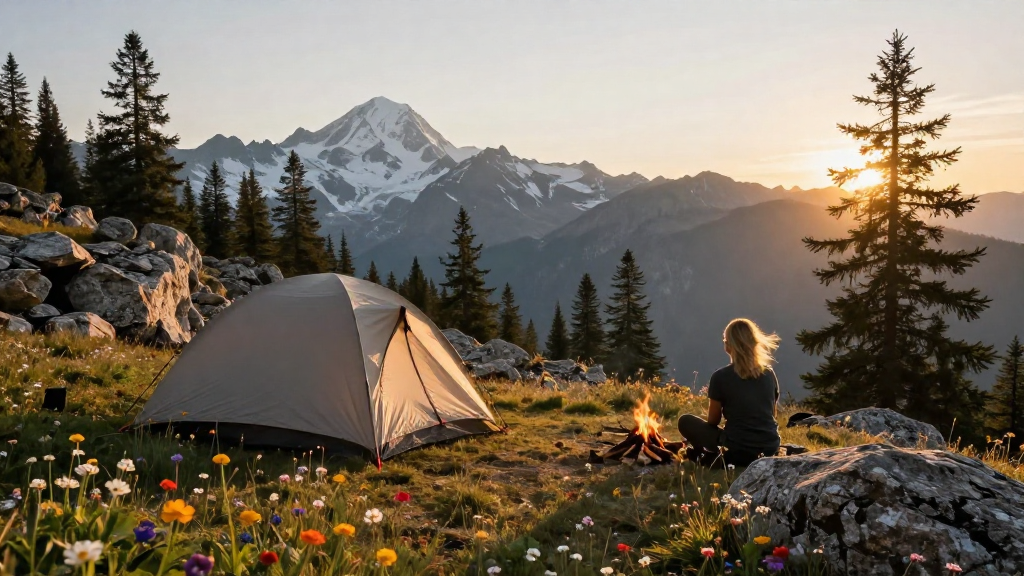
Camping at elevation can be an exhilarating experience, offering breathtaking views and a chance to escape the hustle and bustle of everyday life.
However, it also comes with unique challenges that require careful planning and preparation.
What are the Challenges of Camping at Elevation?
When you decide on camping at elevation, you’re stepping into an environment that can be both awe-inspiring and harsh.
Here are some challenges to keep in mind:
-
Altitude Sickness:
As you ascend, the air becomes thinner, which can lead to symptoms like headache, nausea, and dizziness. -
Weather Changes:
Weather can shift quickly at high elevations. What starts as a sunny day can turn into rain or snow within hours. -
Limited Resources:
Water sources may be scarce, and finding firewood might be challenging. -
Increased Sun Exposure:
UV rays are more intense at high elevations, increasing the risk of sunburn.
By understanding these challenges, you can prepare to mitigate their effects.
How Can You Prepare for Camping at High Elevations?
Preparation is key when it comes to camping at elevation.
Here’s what you should do before you even pack your bags:
-
Acclimatize:
Spend a few days at a moderate elevation before heading to your camping spot. -
Research Your Destination:
Understand the terrain, weather patterns, and any potential hazards. -
Pack Appropriately:
Invest in quality gear suited for high-altitude camping, including: - Tent: A lightweight, wind-resistant tent is crucial.
- Sleeping Bag: Choose one rated for low temperatures.
- Clothing: Layering is key. Bring thermal base layers, waterproof outer layers, and sun protection.
What Gear Do You Need for Camping at Elevation?
Your gear can make or break your experience while camping at elevation.
Here’s a list of must-have equipment:
- Tent/Shelter:
-
Look for a tent that can withstand winds and is easy to set up.
-
Sleeping Gear:
- A quality sleeping pad for insulation and comfort.
-
A warm sleeping bag appropriate for the season.
-
Cooking Equipment:
- A portable stove since fires may not be permitted and fuel can be hard to find.
-
Lightweight cook pots and utensils.
-
Water Filtration System:
-
A reliable way to purify water from lakes or streams.
-
Safety Gear:
- First aid kit, whistle, and a map or GPS device.
How Should You Eat and Drink While Camping at Elevation?
When camping at elevation, nutrition and hydration are vital.
Here are some tips:
-
Hydration:
Drink plenty of water to help your body acclimate. It’s easy to become dehydrated in thin air. -
Easy-to-Digest Foods:
Opt for carbs and proteins. Foods like oatmeal, nuts, and freeze-dried meals are great options. -
Cook Smart:
High-altitude cooking often requires longer times and modifications to recipes. Prepare food that’s simple and doesn’t require extensive cooking.
How Do You Deal with Weather While Camping at High Elevations?
Weather can be unpredictable when camping at elevation.
Follow these guidelines to stay safe:
-
Check Forecasts:
Before your trip, look to forecast websites for reliable weather predictions. -
Bring Appropriate Clothing:
Layering is essential; pack thermal layers, waterproof jackets, and insulated hats and gloves. -
Know When to Go:
Avoid camping late in the day or in stormy weather.
What Are the Best Practices for Setting Up Camp at Elevation?
Setting up camp efficiently is crucial for a successful high-elevation experience.
Here’s how:
-
Choose Your Site Carefully:
Look for flatter ground, away from trails and potential rockfall zones. -
Wind Protection:
Set up your tent with the entrance facing away from the wind. -
Water Source Consideration:
Ensure you’re close to a clean water source, but not so close that flooding is a concern. -
Fire Safety:
If fires are allowed, create a campfire ring away from tents, and always have a means to extinguish flames.
How to Stay Safe While Camping at Elevation?
Safety should be your top priority when camping at elevation.
Here are some crucial reminders:
-
Know the Signs of Altitude Sickness:
If you experience severe headaches, breathlessness, or confusion, descend immediately. -
Travel in Groups:
Always hike and camp with others when possible. There’s safety in numbers. -
Respect Wildlife:
Keep food stored properly to avoid attracting animals. -
Leave No Trace:
Follow guidelines to minimize your impact on the environment.
How Can You Enjoy Your Camping Experience at Elevation?
Finally, the goal of your trip is to enjoy yourself. Camping at elevation should be a memorable experience!
Here are some ideas to enhance your enjoyment:
-
Photography Opportunities:
The views from high elevations can be stunning. Capture the memories through your lens. -
Plan Activities:
Hiking, fishing, or simply relaxing under the stars can be enriching additions to your trip. -
Stay Flexible:
Be prepared to change your plans based on weather or physical condition.
In conclusion, camping at elevation offers a unique blend of adventure and challenge.
By properly preparing, equipping yourself with the right gear, and understanding the environmental risks, you can have an enjoyable and safe experience.
So pack your bags, hit the trail, and get ready for an unforgettable high-altitude adventure!