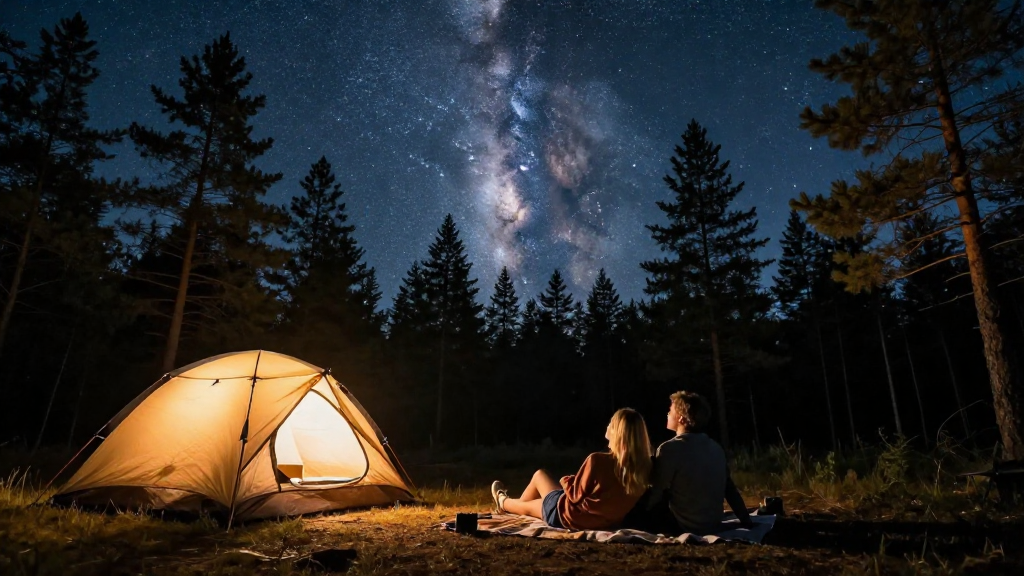
Camping can be an exhilarating experience, especially when combined with stargazing. In this article, we will explore essential camping and stargazing tips that will not only enrich your outdoor experience but also help you connect more deeply with nature.
What Equipment Do You Need for Camping and Stargazing?
To truly enjoy the wonders of the night sky while camping, certain essential items will enhance your experience. Here are some recommendations:
- Tent: A spacious tent that accommodates you and your gear.
- Sleeping Bag: Choose a bag suited for the season.
- Camping Chair: Comfortable seating for long nights of stargazing.
- Telescope or Binoculars: While the naked eye is great, a telescope or binoculars can reveal far more.
- Star Chart or Smartphone App: Use these tools to identify constellations and celestial objects.
- Lanterns and Flashlights: Bring adequate light sources, but keep them dim to maintain night vision.
- Warm Clothing: Nights can get cold; layers will help you stay comfortable.
These items make up the basic gear for camping and stargazing. With them in tow, you are set for a memorable outdoor adventure.
Where is the Best Place for Camping and Stargazing?
Choosing the right location is critical when you want to combine camping and stargazing. Here are some ideal locations:
-
National Parks: Parks like Yosemite, Yellowstone, and Grand Canyon offer vast, open spaces with minimal light pollution.
-
State Parks: Many state parks have designated camping areas that are advantageous for stargazing.
-
Private Campgrounds: Look for campgrounds specifically promoted for astronomy enthusiasts.
-
Open Fields or Mountains: If you prefer more solitude, find open fields or high-altitude spots that are away from urban light.
When selecting your location, remember to check local conditions and stargazing forecasts.
When is the Best Time for Camping and Stargazing?
Timing is crucial when you combine camping and stargazing. Here are some factors to consider:
- Moon Phases: The best time to stargaze is during a new moon, as the sky is darker.
- Season: Winter can be great for clear skies, while summer offers warmer nights.
- Weather Conditions: Always check weather forecasts to avoid cloud cover and unfavorable conditions.
- Astronomical Events: Plan your trip during meteor showers, eclipses, or planetary alignments for an unforgettable experience.
Utilizing this timing knowledge can significantly enhance your camping and stargazing experience.
How Can You Prepare for the Night Sky?
Preparation is essential for successful stargazing. Here are some camping and stargazing tips to keep in mind:
Avoid Light Pollution
- Move away from city lights; even a small distance can make a huge difference.
Allow Your Eyes to Adjust
- Spend at least 20-30 minutes in darkness to allow your eyes to adjust.
Bring Snacks and Beverages
- A thermos of hot chocolate or a light snack can make the experience even more enjoyable.
Use Red Light
- If you need to use a light, choose a red flashlight to avoid ruining your night vision.
What Constellations Can You Expect to See?
Each season showcases different constellations. Here are some iconic ones you shouldn’t miss:
Winter
- Orion: The Hunter, easily recognizable with its three-star belt.
- Canis Major: Home to the brightest star, Sirius.
Spring
- Leo: The Lion, often visible if you look toward the rising sun.
Summer
- Scorpius: The Scorpion, characterized by its long, curving tail.
- Sagittarius: Look for the Teapot shape.
Fall
- Andromeda: The Princess, which can guide you to the Andromeda Galaxy.
Knowing the night sky will add depth to your camping and stargazing journey.
How to Capture the Beauty of the Night Sky?
If you want to record your stargazing moments, here are some tips to help you take stunning photographs:
-
Use a Tripod: A stable platform will minimize camera shake.
-
Long Exposure Settings: Play around with longer exposure settings to capture more detail in the stars.
-
Low ISO: Set your camera to a low ISO setting to reduce noise.
-
Wide Aperture: A wide aperture allows more light into your camera, revealing more stars.
-
Plan Your Shots: Use apps that help you find the Milky Way’s location for stunning pictures.
Capturing these moments can help you remember your camping and stargazing adventures long after they’ve concluded.
How to Keep Comfortable While Stargazing?
Comfort is key during long nights of camping and stargazing. Here are some tips:
-
Blankets and Pillows: Bring comfortable blankets and pillows for lounging under the stars.
-
Bug Repellent: Keep pesky insects at bay with appropriate repellent.
-
Warm Layers: As mentioned earlier, dressing in layers can help you stay warm.
-
Stay Hydrated: Drink plenty of water, especially if you’ve been hiking during the day.
Implementing these tips will allow you to enjoy the night sky without discomfort.
Can You Enhance Your Experience with Stargazing Equipment?
If you’re particularly passionate about astronomy, investing in equipment can enhance your camping and stargazing experience. Consider:
-
High-Quality Binoculars: Good binoculars can vastly improve your viewing experience compared to the naked eye.
-
Portable Telescopes: Lightweight telescopes designed for travel can offer deeper views of celestial objects.
-
Astrophotography Gear: If photography is your thing, consider investing in specialized equipment for shooting the night sky.
These items can deepen your understanding and enjoyment of stargazing.
What Final Thoughts Should You Keep in Mind?
Combining camping and stargazing is an incredible way to connect with nature and the universe. To summarize the key camping and stargazing tips:
- Equip yourself properly, focusing on essential gear.
- Choose darker, well-suited locations.
- Timing and preparation are vital for the best experience.
- Familiarize yourself with the constellations visible during your trip.
- Capture the beauty of the night sky and ensure your comfort.
By following these guidelines, you’ll set yourself up for an unforgettable adventure where the beauty of nature and the cosmic wonders of the night sky merge beautifully.
So pack your gear, step outside, and let the stars guide you on your next great adventure!