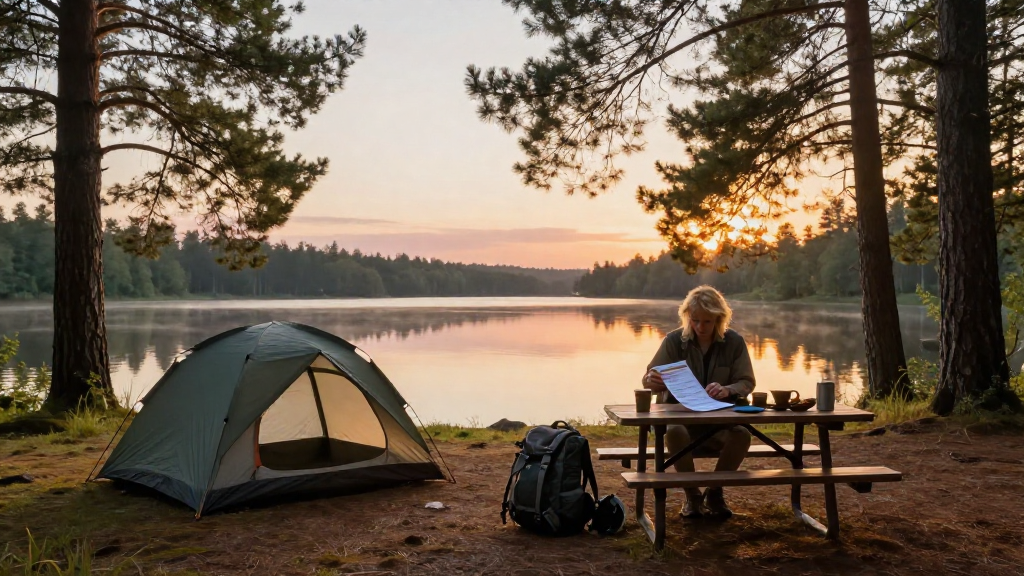
When venturing into the great outdoors, it’s essential to be aware of some key camping legal tips to enhance your experience and avoid potential issues.
Why Are Camping Legal Tips Important?
Understanding camping legal tips is crucial for several reasons:
-
Avoiding Fines and Penalties: Local laws can impose fines for violations, such as camping in unauthorized areas.
-
Protecting the Environment: Following legal guidelines helps preserve nature and wildlife.
-
Ensuring Safety: Knowing the rules can enhance your safety and that of your fellow campers.
What Are the Essential Camping Legal Tips?
Before you pack your gear and head out, consider these camping legal tips:
1. Know the Camping Regulations
Do you know the rules of the land you’re camping on?
-
National Parks: Each national park has its own set of regulations regarding camping. Check the official website or visitor center for guidelines. Often:
-
Fires are restricted to specific locations.
-
Food must be stored properly to avoid attracting wildlife.
-
State Parks and Forests: Regulations can vary significantly from one state to another.
-
Always check for required permits.
-
Be aware of any seasonal closures or restrictions.
2. Obtain the Necessary Permits
Are you aware of the permits needed for camping?
-
Backcountry Camping: Many areas require backcountry permits that ensure you’re allowed to camp in certain regions.
-
Group Camping: If you’re camping with a large group, a specific permit may be required to reserve space.
3. Respect Local Wildlife Laws
What legal considerations apply to wildlife?
-
Feeding Wildlife: It’s essential not to feed wildlife, as this can lead to dangerous encounters and legal repercussions.
-
Wildlife Protection: Some species are protected by law. Be cautious and aware of local guidelines regarding wildlife interaction.
4. Understand Property Rights
Are you camping on private property?
-
Stay Off Private Lands: Trespassing laws apply to camping as well. Always seek permission if you’re on private land.
-
Public Lands: Make sure to recognize the difference between public and private areas, as camping is typically allowed in designated public areas.
5. Follow Campfire Regulations
What do you need to know about campfires?
-
Campfire Restrictions: Many regions impose fire bans during dry seasons or high fire risk. Always check to see if fires are permitted.
-
Fires in Designated Areas: Use only designated fire pits if available and follow safe practices for extinguishing fires after use.
6. Leave No Trace Principles
How can you respect the environment while camping?
-
Pack It In, Pack It Out: Always take your trash back with you. This not only complies with laws but also preserves the area for future visitors.
-
Camp Responsibly: Avoid damaging plants or wildlife and minimize the impact of your presence.
7. Know Noise Ordinances
Are there restrictions on noise?
- Volume Control: Many camping areas have noise restrictions. Keeping noise levels down helps maintain the quiet enjoyment of the natural environment for everyone.
8. Follow Local Fishing and Hunting Laws
If your trip includes fishing or hunting, what should you remember?
-
Licenses and Regulations: Ensure you have the appropriate licenses and understand the rules regarding the areas you plan to fish or hunt in.
-
Seasons and Limits: Follow designated seasons and catch limits specific to your area.
9. Be Aware of Waterway Laws
What do you need to consider regarding nearby bodies of water?
-
Boating Laws: If planning to kayak or canoe, check the regulations for the waterways. Some areas may require permits for certain activities.
-
Swimming Safety: Always be cautious and aware of local rules regarding swimming in natural bodies of water.
10. Carry Important Documents
What documents should you take on your camping trip?
-
Identification: Always carry an ID and any relevant permits required for the area you are visiting.
-
Emergency Contacts: Have a list of emergency contacts on hand, especially if you are camping in remote areas.
11. Research Local Laws Before You Go
Are you prepared for unexpected legal situations?
-
Contact Local Authorities: Reach out to local offices to inquire about specific regulations in the area where you plan to camp.
-
Online Resources: Use reputable sites to familiarize yourself with the laws in your chosen camping location.
12. Stay Updated on Changes
How can you ensure you have current information?
-
Regular Updates: Laws regarding camping can change frequently, especially in response to environmental conditions or new policies.
-
Social Media and Community Groups: Following local camping groups or park services can provide real-time updates regarding rules and regulations.
Why Should You Volunteer for Camping Initiatives?
How can giving back enhance your camping experience?
-
Education: Volunteering often leads to learning more about local laws and conservation efforts.
-
Networking: Meet fellow campers and environmentalists, gaining insights that could help with your future trips.
-
Community Improvement: Contributing positively to the community helps protect the resources you love to use.
What if You Encounter a Legal Issue While Camping?
What should you do if you face legal trouble while camping?
-
Stay Calm: If confronted by law enforcement or park rangers, remain polite and respectful.
-
Understand Your Rights: Familiarize yourself with your legal rights as a camper, which may vary depending on location.
-
Document the Situation: If necessary, record events leading up to the confrontation, ensuring you have a clear account of the facts.
Conclusion
Being informed about camping legal tips can significantly enhance your outdoor experience, ensuring that you enjoy nature while respecting the environment and abiding by local laws.
From knowing the regulations and obtaining necessary permits to respecting wildlife and understanding property rights, these legal tips are vital for all campers.
Plan ahead, stay informed, and immerse yourself in the beauty of nature responsibly. Happy camping!