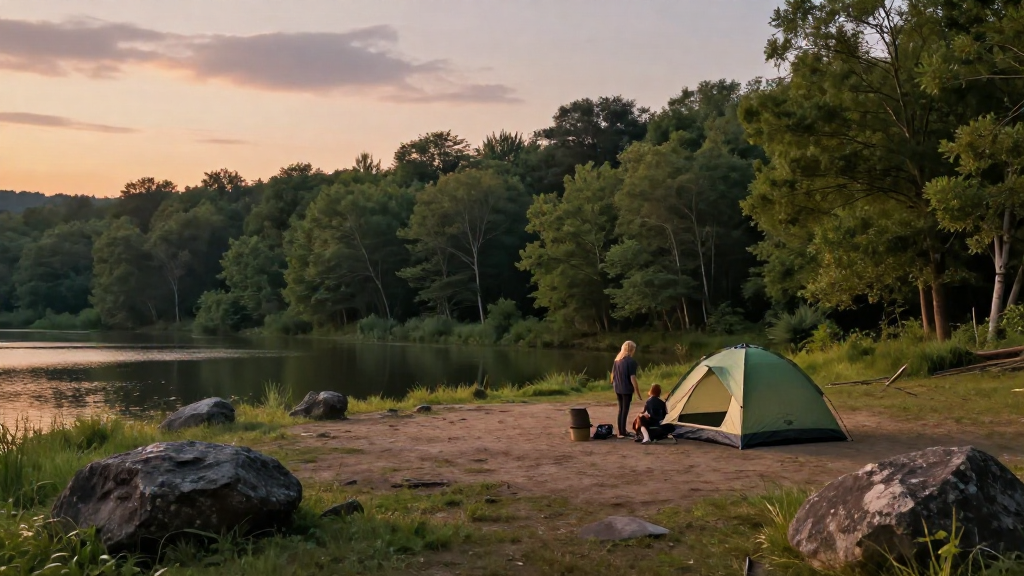
When you’re out in nature, knowing how to find flat ground for camping can make or break your outdoor experience.
Flat terrain is essential for a good night’s sleep and for safely setting up your campsite. In this article, we will explore the best methods and tips for locating ideal flat ground, ensuring your camping venture is both comfortable and enjoyable.
Why Is Flat Ground Important for Camping?
When you opt for flat ground camping, you enjoy countless benefits, including:
-
Comfortable Sleeping: Uneven surfaces can make sleeping a challenge. Flat ground allows for a restful night under the stars.
-
Stable Tent Setup: A level area keeps your tent from slumping or shifting. This stability protects your gear and enhances your camp’s functionality.
-
Safety: A flat area minimizes rolling hazards, especially in the case of steep inclines. This ensures a safer environment for you and your fellow campers.
-
Easier Cooking and Gathering Areas: Uneven terrain can lead to spills and accidents while cooking or gathering around the fire.
What Features to Look for When Finding Flat Ground?
Finding flat ground for camping isn’t just about spotting a level area. It requires a keen eye for detail. Here are the main features to consider:
-
Proximity to Water: While it’s essential to be near a water source for drinking and cooking, ensure you’re at least 200 feet away from lakes and rivers to avoid flooding risks.
-
Sun Exposure: Choose a spot that has some sun exposure, especially for morning warmth. However, avoid being in direct sunlight all day, which can overheat your tent.
-
Wind Protection: Look for natural windbreaks like tall shrubs or trees. They can shield you from harsh winds while still providing ventilation.
-
Natural Drainage: Ensure your camping spot is not in a depression where water can collect. The ground should be well-drained to avoid sogginess.
-
Wildlife Considerations: Be aware of wildlife paths or nests. Set up camp away from areas known for animal activity, ensuring safety and peace during your stay.
How to Identify Flat Ground for Your Tent?
Finding that perfect flat ground camping site may take some time and careful observation. Here are the steps to effectively identify a suitable spot:
1. Visual Inspection
-
Look at the Terrain: Stand back to take an overall look. A quick survey can help you spot an even landscape.
-
Check for Clumps of Grass: Dense grass often indicates flat ground. Areas with compact earth or vegetation show signs of being level.
-
Examine Rocks or Boulders: If there are significant rocks marking the area, it may indicate the terrain has been uneven. Steer clear of such spots.
2. Feeling the Ground
-
Walk Around: Take a short stroll in various areas. Flip-flops or sandals can mislead you. Wearing appropriate shoes will provide better feedback on the ground’s stability.
-
Kneel Down: Literally getting down to eye level can provide a sense of the ground’s slope. If you find a cozy spot for your knees, you could have found flat ground!
3. Use Tools if Necessary
-
Leveling Device: A simple smartphone app can help you determine how flat the ground is. Some apps have level features, providing a straightforward reading.
-
Measuring Tool: A small tape measure can assist in pinpointing the height variations in the area.
Where Are the Best Locations to Camp?
Knowing how to find flat ground for camping also depends significantly on where you choose to camp. Here are some areas often known for providing ideal flat ground:
1. Established Campsites
-
Campgrounds: Most campgrounds are designed with flat sites in mind. These areas provide established flat ground, making it easier for inexperienced campers.
-
Designated Tent Areas: National parks usually have designated camping zones where natural features have already been assessed for safety and flatness.
2. Open Fields
Wide-open fields can often serve as excellent flat ground. Here’s why:
-
Visibility: You can see potential hazards and wildlife from afar.
-
Accessibility: They are often easier to reach with vehicles or hiking trails.
-
Space: Plenty of room means you can spread out your gear comfortably.
3. Beside Rivers or Lakes (With Caution)
Camping beside water bodies can be delightful. Just ensure that you follow safety measures:
-
Maintain Distance: Always camp at least 200 feet away from the water to avoid flooding and wet ground in the morning.
-
Check the Ground: Look for sandy or rocky flat areas as opposed to muddy patches.
What Should You Avoid When Finding Flat Ground to Camp?
It’s equally essential to know what to avoid when searching for flat ground. Here are some red flags:
-
Slopes or Steep Areas: Never set camp in areas with significant inclines. This could not only disturb your sleep but can also be hazardous during rain.
-
Bug Prone Areas: Marshy or wet spots harbinger mosquitoes and other biting insects. Look for spots with good ventilation to deter bugs.
-
Dead Trees or Branches (Widowmakers): Stay away from areas with dead trees or large branches overhead as they pose a risk of falling.
-
Near Animal Trails: These paths can give insight into where wildlife roam. Avoid camping directly on or near these paths to prevent potential interactions.
Conclusion: Mastering the Art of Finding Flat Ground for Camping
Understanding how to find flat ground for camping is vital for an enjoyable outdoor experience. A proper campsite ensures safety, comfort, and better functionality throughout your time outdoors.
Take the time to explore various terrains and locations, and follow the tips outlined above.
Your perfect camping adventure awaits when you pinpoint that level, stable ground!
By incorporating careful consideration of your environment and following outlined strategies, you can ensure your camping trip is enjoyable and safe. Navigate the great outdoors confidently, knowing that flat ground is just another journey away!