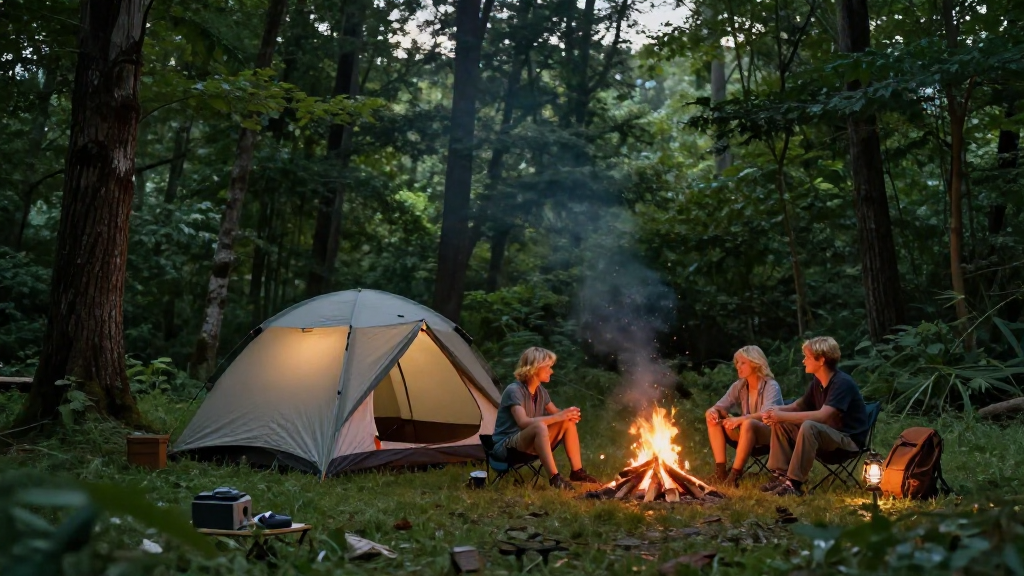
Camping is a fantastic way to reconnect with nature, but it often comes with its fair share of creepy crawlies.
This guide will provide you with effective camping bug control tips to ensure your outdoor adventure remains enjoyable.
Why Is Bug Control Important for Camping?
When planning a camping trip, one of the most unsettling aspects can be the presence of insects.
Mosquitoes, ticks, and ants are not just annoyances; they can carry diseases and ruin your experience.
Effective camping bug control tips will help keep these pests at bay, allowing you to focus on making lasting memories.
What Are the Best Camping Bug Control Tips?
1. Choose the Right Location
Where you set up camp can have a significant impact on your bug problem.
Opt for campsites that are less prone to insect infestations.
Look for places that have:
- Good airflow: Bugs are less likely to congregate in windy areas.
- Sunlight exposure: Insects tend to avoid sunny spots.
- Avoidance of standing water: Standing water is a breeding ground for mosquitoes.
2. Use Natural Repellents
Many campers prefer natural solutions to chemical bug sprays.
Here are a few effective options:
- Essential Oils: Oils like lavender, eucalyptus, and tea tree have insect-repelling properties.
- Garlic: Eating garlic or applying garlic oil can deter mosquitoes.
- Citrus Peels: Rubbing citrus peels on your skin can ward off bugs.
These natural remedies are not only environmentally friendly but also safe for children and pets.
3. Wear Appropriate Clothing
What you wear can either attract or repel insects.
Follow these camping bug control tips for your attire:
- Light-Colored Clothing: Insects are more attracted to dark colors.
- Long Sleeves and Pants: These protect your skin from bites.
- Tightly Woven Fabrics: These can prevent mosquitoes from biting through your clothes.
Including bug-repellent clothing infused with permethrin is a great added layer.
4. Set Up a Bug-Proof Shelter
Creating a bug-free zone is essential for a comfortable camping experience.
Consider these strategies:
- Invest in a Quality Tent: Ensure your tent is properly sealed with no holes or tears.
- Seal Entry Points: Close all openings, including vents, to prevent bugs from coming inside.
- Use a Mosquito Net: Setting up a net around your sleeping area offers extra protection.
These simple steps can significantly enhance your bug control strategy.
5. Utilize Bug Zappers and Traps
Incorporating technology into your camping bug control tips can yield great results.
Bug zappers and traps attract and eliminate unwanted insects.
Consider portable options that are battery-operated for convenience.
6. Manage Food and Waste Properly
Bugs are naturally drawn to food and waste.
By properly managing these items, you can minimize bug attractions.
Here’s how:
- Store Food Securely: Use airtight containers to prevent insects from being attracted to your snacks.
- Clean Up Immediately: Don’t leave food scraps or wrappers lying around; clean up as soon as your meal is over.
- Use Trash Bags: Keep waste in sealed bags and dispose of them properly.
Implementing these strategies will drastically reduce your chances of attracting pests.
7. Use Citronella Products
Citronella candles or torches are popular options among campers for repelling insects.
Here’s why they are effective:
- Natural Repellent: Citronella oil masks scents that attract bugs.
- Create Ambiance: They also provide light and a pleasant aroma, enhancing your camping experience.
8. Create a Campfire
A campfire is a natural deterrent to insects.
The smoke produced repels many bugs, including mosquitoes.
Make sure to have enough firewood and maintain your fire safely while enjoying its benefits.
9. Maintain Good Hygiene
Your personal hygiene can also impact the number of bugs attracted to you.
Follow these practices for better bug control:
- Shower Regularly: Sweat attracts insects.
- Use Unscented Products: Scented soaps, lotions, and deodorants can lure bugs.
- avoid Strong Fragrances: Wearing perfume or cologne can attract unwanted guests.
10. Research Local Bugs and Risks
Before heading out, it’s smart to research the specific insects in your camping area.
Gather information on:
- Common insects: Know their tendencies and how to prevent encounters.
- Disease Risks: Understand which bugs may carry diseases in your location.
Arming yourself with knowledge can enhance your camping experience significantly.
What Should You Do If You’ve Been Bitten?
Despite your best efforts, bites can still occur.
If you find yourself bitten, here are some essential camping bug control tips for immediate relief:
- Wash with Soap and Water: Clean the affected area.
- Apply Cold Compress: Reduce swelling and discomfort.
- Use Anti-Itch Creams: Over-the-counter creams can help alleviate itching.
- Take an Antihistamine: This can further reduce allergic reactions or discomfort from bites.
Conclusion
By implementing effective camping bug control tips, you can have a much more enjoyable outdoor experience.
From choosing the right location and wearing appropriate clothing to managing food and utilizing repellents, these strategies will keep pesky insects at bay.
Remember, a little preparation goes a long way in ensuring your camping adventure is filled with memorable moments rather than bug bites.
So gear up, enjoy nature, and don’t let bugs ruin your season of camping!
Whether it’s your first-time camping or you’re a seasoned adventurer, feel free to share these camping bug control tips with friends and family to maximize everyone’s outdoor experience.