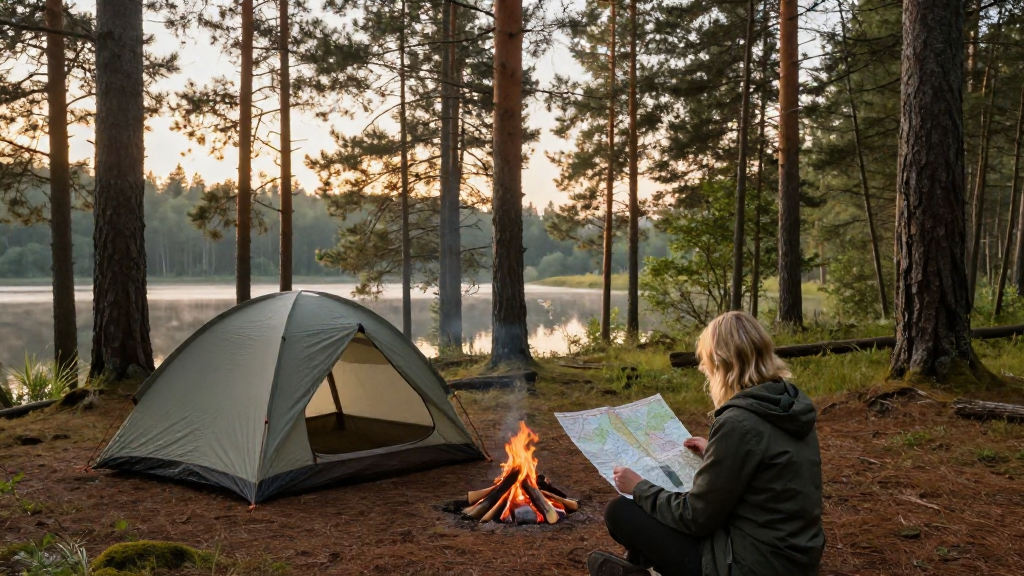
Getting lost while camping can turn an enjoyable outdoor adventure into a stressful situation.
To fully enjoy your camping experience, it’s essential to learn how to avoid getting lost while camping. Below, you’ll find practical tips and strategies to help you stay safe and oriented during your outdoor excursions.
What Are the Main Causes of Losing Your Way?
Before we get into the strategies for how to avoid getting lost camping, it’s important to understand the main causes of getting lost. Here are the top reasons:
- Distraction: Focusing too much on the scenery or engaging in conversation can lead to spatial disorientation.
- Inadequate Planning: Not researching your campsite or trail beforehand can leave you vulnerable.
- Weather Changes: Rapid weather shifts can make familiar surroundings appear strange.
- Limited Navigation Skills: Inexperience with maps or compasses can lead to miscalculations.
- Poor Trail Markings: Some areas may not have sufficient signs, making navigation difficult.
By addressing these areas, you can proactively manage your risk of getting lost while camping.
How Can You Prepare Before Your Trip?
Preparation is key when learning how to avoid getting lost while camping. Here’s a checklist to ensure you’re ready for your adventure:
-
Research Your Destination: Know the trails, terrain, and notable landmarks.
-
Get a Map: Always carry a physical map of the area, even if you plan on using GPS.
-
Download Offline Maps: Cellular reception can be spotty or non-existent in remote areas. Download offline maps using apps like Google Maps or specialized hiking apps.
-
Invest in a Compass: Familiarize yourself with how to use a compass in conjunction with your map.
-
Inform Someone: Let a family member or friend know your plans, including your intended route and return time.
What Essential Gear Should You Carry?
To navigate effectively during your trip, equip yourself with the right gear. Here are some essentials:
-
Topographic Map: Offers detailed information about terrain features.
-
Portable GPS Device: While not infallible, these can provide a quick reference for your location.
-
Navigation Apps: Install navigation apps on your smartphone that function without internet access.
-
Flashlight/Headlamp: Essential for navigating after dark when visibility is low.
-
First Aid Kit: Always important for safety, but if you get lost, keeping healthy is crucial.
By ensuring you have the right gear, you equip yourself better for preventing the common pitfalls of how to avoid getting lost camping.
What Navigation Skills Should You Practice?
Having a basic understanding of navigation can significantly reduce the chances of losing your way. Consider practicing these essential skills:
-
Reading a Map: Learn to read and interpret symbols, scale, and contour lines on topographic maps.
-
Using a Compass: Familiarize yourself with the principles of bearing, Azimuth, and declination. Practice finding your way by setting a bearing with your compass.
-
Identifying Landmarks: Use natural features around you as reference points.
-
Estimating Distance: Develop a good ‘pace count’ habit to estimate how far you’ve traveled.
-
Navigating by the Sun and Stars: On clear nights, learn how to find direction by observing celestial bodies.
These skills will greatly contribute to how to avoid getting lost camping.
How Should You Navigate While Hiking?
While hiking, take active steps to maintain awareness of your surroundings. Here are some tips:
-
Frequent Check-Ins: Regularly check your map and GPS to ensure you’re on the right track.
-
Take Note of Landmarks: Mark points of interest or notable landmarks to identify your route back.
-
Stay on Established Trails: Avoid straying off paths that have been marked by signs or worn down by other hikers.
-
Hike with a Buddy: Having a companion can help keep you focused and provides additional navigation skills.
-
Turn Around if Confused: If you can’t confirm your path, it’s safe to return to the last known point.
Using these tips while navigating will ensure your hiking remains productive, safe, and aligned with how to avoid getting lost camping.
What Should You Do If You Get Lost?
Despite preparation and navigation, mistakes can happen. Here’s what to do if you find yourself lost:
-
Stay Calm: Panic can cloud your judgment, make rational decisions to get back on track.
-
Stop and Assess: Take a moment to figure out your last known point. Can you pinpoint recognizable landmarks?
-
Reorient Yourself: Refer to your map and compass. Try to assess the situation from a fresh perspective.
-
Retrace Your Steps: Return to the last point where you were confident you were on track.
-
Use Your Whistle: If you’re in a situation where you can’t find your way, blow a whistle. It’s more effective than shouting and can be heard from farther away.
-
Mark Where You Are: If you decide to stay put, mark your location with rocks, branches, or other materials. This helps rescuers find you.
Having a plan for when you get lost is crucial in understanding how to avoid getting lost camping in the first place.
How Can You Improve Your Overall Camping Skills?
Finally, becoming a competent camper not only helps you avoid getting lost but also enriches your outdoor experiences. Here are some ways to enhance your camping skills:
-
Join a Course: Many organizations offer courses in wilderness survival and navigation.
-
Practice Camping: Try different trails and locations to build familiarity and expand your knowledge.
-
Learn from Experienced Campers: Don’t hesitate to ask questions and learn from seasoned explorers.
-
Read Books: Dive into literature focused on outdoor skills, survival techniques, and navigation.
-
Volunteer for Trail Maintenance: This will expose you to various trails and teach you a lot about the landscape.
By honing your camping skills and preparedness, you will significantly lower the risks associated with how to avoid getting lost camping.
Conclusion
Camping is a fantastic way to connect with nature and unwind from the pressures of daily life.
By mastering the skills and strategies outlined, you can ensure a worry-free adventure.
Always remember to plan ahead, stay oriented, and practice good navigation.
With these precautions in place, you will be well-equipped to enjoy your upcoming camping trips without fear of getting lost. Whether you’re a novice or an experienced camper, these guidelines are invaluable for a successful outing.