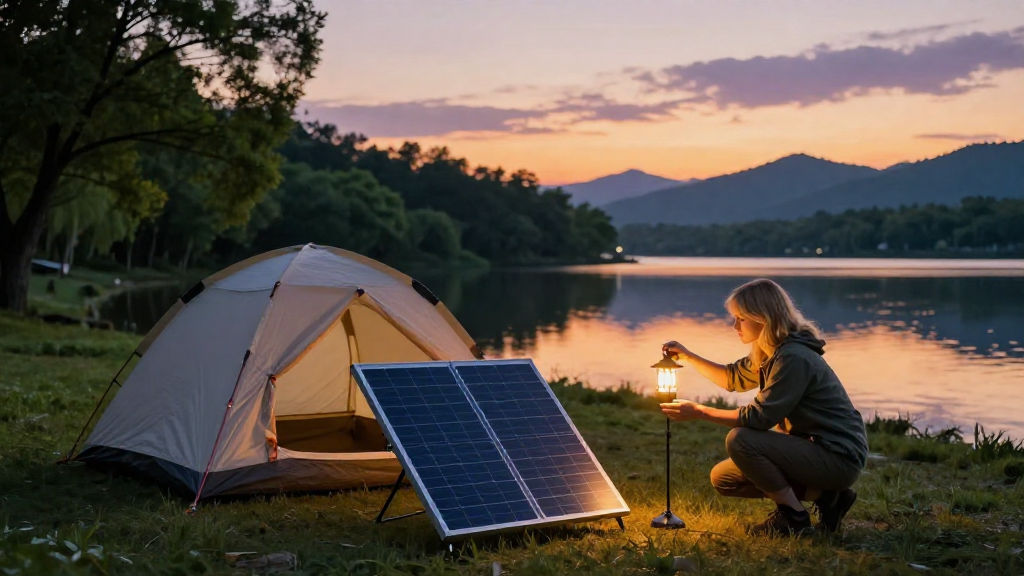
As outdoor enthusiasts look for sustainable ways to enjoy nature, a solar power camping setup emerges as an effective solution.
What is a Solar Power Camping Setup?
A solar power camping setup refers to the use of solar energy to power various devices and appliances while you are out in the great outdoors.
Utilizing solar panels or solar chargers allows campers to harness the sun’s energy, making camping more enjoyable and environmentally friendly.
Here are some common components involved in a solar power camping setup:
- Solar Panels: The primary source of harnessing sunlight.
- Solar Batteries: To store energy for later use.
- Inverters: To convert stored energy into usable AC power.
- Solar Chargers: Compact devices for charging small electronics like phones or cameras.
What Are the Benefits of Using Solar Power While Camping?
Choosing a solar power camping setup offers numerous advantages:
-
Sustainable Energy Source:
Harnessing solar power reduces reliance on fossil fuels. -
Cost-Efficient:
After the initial investment, energy from the sun is free. -
Ease of Use:
Most solar-powered devices are easy to operate. -
Quiet Operation:
Unlike petrol generators, solar setups produce no noise. -
Minimal Environmental Impact:
Solar energy is eco-friendly and helps preserve the natural environment.
What Equipment Do You Need for Your Solar Power Camping Setup?
To create an efficient solar power camping setup, consider the following equipment:
Solar Panels:
- Portable Solar Panels: Lightweight and designed for easy transport.
- Fixed Solar Panels: For more extended stays in one location.
Batteries:
- Deep Cycle Batteries: Designed for prolonged energy discharge.
- Lithium Batteries: Lightweight, compact, and efficient.
Charge Controllers:
- PWM Controllers: Provide basic regulation of energy flow.
- MPPT Controllers: More efficient but typically more expensive.
Inverters:
- Pure Sine Wave Inverters: Ideal for sensitive electronics.
- Modified Sine Wave Inverters: Suitable for less sensitive devices.
Solar Chargers:
- Foldable Solar Chargers: Lightweight and easy to pack.
- Solar Power Banks: Convenient for charging small devices without needing a direct power source.
How Do You Set Up Your Solar Power Camping Equipment?
Setting up your solar power camping setup is crucial for maximizing efficiency.
Here’s a step-by-step guide:
Step 1: Choose Your Location
- Look for a clear area with maximum sun exposure.
- Avoid shaded spots like under trees or near tall mountains.
Step 2: Position the Solar Panels
- Tilt the panels towards the sun at a 30-45 degree angle.
- Use adjustable mounts or stands for optimal positioning.
Step 3: Connect the Charge Controller
- Connect the solar panels to the charge controller, ensuring correct polarity.
- The controller will regulate the flow of energy to the batteries.
Step 4: Connect the Batteries
- Link the batteries to the charge controller for energy storage.
- Ensure secure connections to prevent any power loss.
Step 5: Set Up Inverters
- Connect the inverter to the batteries if you need AC power for larger devices.
- Switch it on only when you need it to conserve energy.
Step 6: Charge Devices
- Use your solar power camping setup to charge phones, tablets, or GPS devices.
- Monitor battery levels for optimal performance.
What Devices Can You Power with Your Solar Setup While Camping?
A solar power camping setup can power various devices, making your outdoor experience comfortable and convenient. Here are some devices commonly powered by solar energy:
- Mobile Phones and Tablets: Stay connected without relying on public charging stations.
- Laptops: For those who need to work remotely or want to watch movies.
- Coolers and Refrigerators: Keep your food fresh and drinks cold.
- Camping Lights: Illuminate your campsite with minimal effort.
- Fans or Heaters: Maintain comfort in extreme weather conditions.
- Small Kitchen Appliances (like blenders): Prepare meals easily without campfire cooking.
How to Maximize Your Solar Power Camping Setup Efficiency?
To ensure your solar power camping setup is best utilized, follow these energy-saving tips:
- Full battery charge before the trip: Ensure your batteries are fully charged prior to camping.
- Limit device usage: Turn off devices that are not in use.
- Prioritize energy needs: Charge the most critical devices first.
- Maintain your solar panels: Keep them clean and free of debris for maximum efficiency.
What Are Common Mistakes to Avoid with Solar Power Camping Setup?
Being aware of common mistakes can help you have a successful experience with your solar power camping setup.
Here’s what to avoid:
-
Neglecting Sun Exposure:
Always check if your panels have unobstructed sunlight. -
Overloading the System:
Only connect devices that your setup can handle to avoid surges. -
Ignoring Battery Management:
Regularly check battery levels and never allow them to fully discharge. -
Failing to Plan:
Know your power requirement ahead of time to pack appropriately. -
Underestimating Equipment:
Make sure to invest in high-quality solar panels and batteries for reliability.
Conclusion
A solar power camping setup enhances your outdoor adventures by providing sustainable, quiet, and efficient energy.
With the right equipment, a clear understanding of your energy needs, and effective setup techniques, you can enjoy a comfortable camping experience while being kind to the environment.
Investing in a solar power camping setup not only offers convenience but also contributes to an eco-friendly lifestyle that embraces nature rather than disrupts it.
So head out into the wild, powered by the sun!