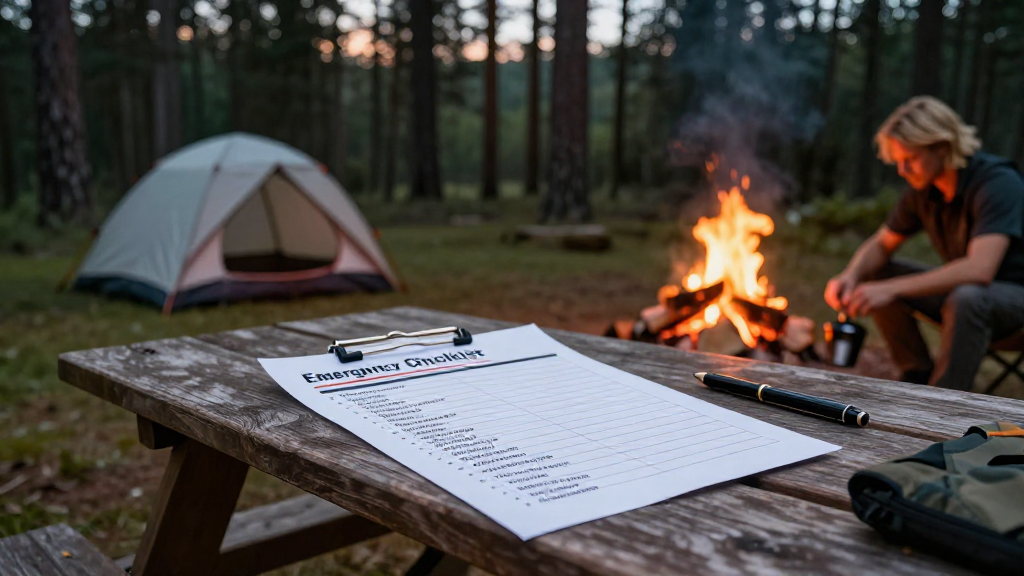
When planning an outdoor adventure, having a camping emergency checklist can make all the difference in ensuring your safety and enjoyment.
Why Do You Need a Camping Emergency Checklist?
An effective camping emergency checklist helps you prepare for unexpected situations that can arise while camping, such as sudden weather changes, injuries, or equipment failure.
The great outdoors is unpredictable, and being prepared can save lives and prevent mishaps from turning into disasters.
With a well-structured camping emergency checklist, you can pack wisely, no matter your camping destination.
What Should Be Included in Your Camping Emergency Checklist?
Here’s a detailed look at essential items that you should include in your camping emergency checklist:
-
First Aid Kit
– Adhesive bandages
– Antiseptic wipes
– Pain relievers (like ibuprofen)
– Gauze and adhesive tape
– Tweezers
– A first aid manual -
Emergency Food Supplies
– Non-perishable snacks (trail mix, energy bars)
– Compact meals (MREs or freeze-dried meals)
– A portable cooking stove (if you have the means to cook) -
Water Purification
– Water purification tablets
– A portable water filter
– Collapsible water containers -
Navigation Tools
– A detailed map of the area
– A compass or GPS device
– Extra batteries for electronic devices -
Emergency Shelter
– A lightweight tarp
– A space blanket
– An emergency bivvy bag -
Fire Starting Equipment
– Waterproof matches or a lighter
– Fire starters (candles, dry tinder)
– An emergency stove for boiling water if needed -
Personal Safety Items
– Whistle (to signal for help)
– A flashlight or headlamp with extra batteries
– A multi-tool or knife -
Clothing Essentials
– Extra socks and underwear
– A waterproof jacket
– Warm layers (thermal shirts, hats, gloves)
How Can You Ensure You Have Everything for Emergencies?
Regularly reviewing and updating your camping emergency checklist can ensure you’re fully prepared.
Consider these tips for optimizing your preparation:
-
Practice Packs: Before your trip, pack your gear following your checklist. This helps you familiarize yourself with the equipment.
-
Test Gear in Advance: Familiarize yourself with emergency tools, like your first aid kit and water purification methods, before your trip.
-
Know Your Limits: Recognize your comfort level and capabilities regarding outdoor activities. Don’t overexert yourself.
What About Communication During Emergencies?
A working communication method can be vital in emergencies. Include these items in your camping emergency checklist:
-
Cell Phone: Ensure it’s fully charged, and carry a portable charger.
-
Two-Way Radios: Useful for group camping if you’re separated.
-
Emergency Signal Mirror: For signaling over long distances.
What About Weather Preparedness?
The weather can shift quickly when you’re in the wilderness. Thus, it’s essential to account for this in your camping emergency checklist:
-
Weather Radio: A portable NOAA weather radio can provide real-time updates.
-
Rain Gear: Waterproof jackets and covers for tents and backpacks.
-
Sun Protection: Sunscreen and hats to prevent heat-related injuries.
What Medications Should You Pack?
Having the right medications on your camping emergency checklist is crucial for managing both common ailments and personal prescriptions.
Make sure to include:
-
Personal Medications: Bring an adequate supply for the duration of your trip.
-
Over-the-Counter Medications: For common issues such as allergies, stomach aches, or headaches.
How Can You Make Your Camping Emergency Checklist More Personal?
Customize your camping emergency checklist by thinking about your specific needs. Factors to consider include:
-
Traveling with Children: Additional items like diapers, formulas, or toys.
-
Pets: Pet supplies such as a leash, food, water, and a first aid kit for pets.
-
Special Needs: Equipment or supplies required for anyone in your group with specific ailments or disabilities.
How Often Should You Review Your Camping Emergency Checklist?
Regular revisions are vital. Here’s a recommended schedule for updating your camping emergency checklist:
-
Before Every Trip: Review your checklist and remove items not needed for your specific adventure.
-
Seasonally: Different seasons require different supplies (think insect repellent in summer, and winter gear for colder months).
-
Post-Trip: Reflect on what you used and what you wish you had on your last trip. Adjust accordingly.
How Can You Store Your Emergency Gear?
Storing your gear in an organized manner ensures quick access during emergencies. Here are some suggestions:
-
Use Dry Bags: These can keep your gear lightweight and protected from moisture.
-
Label Everything: Clearly label your first aid kit, emergency food supplies, and tools for quick access.
-
Check Condition: Before each trip, check gear for wear and tear or expiration dates, especially for food items and medications.
What Final Tips Should You Remember?
Finally, keep these key points in mind as you prepare your camping emergency checklist:
-
Stay calm and collected during an emergency. Panic can cloud judgment.
-
Practice emergency scenarios to ensure your group knows how to react.
-
Make sure to inform someone about your camping plans and expected return time.
By following this guide and diligently preparing a comprehensive camping emergency checklist, you’re well on your way to ensuring a safe and enjoyable outdoor experience.
Remember, the ultimate goal of camping is to explore and enjoy nature, and being prepared is a big part of that adventure! Happy camping!