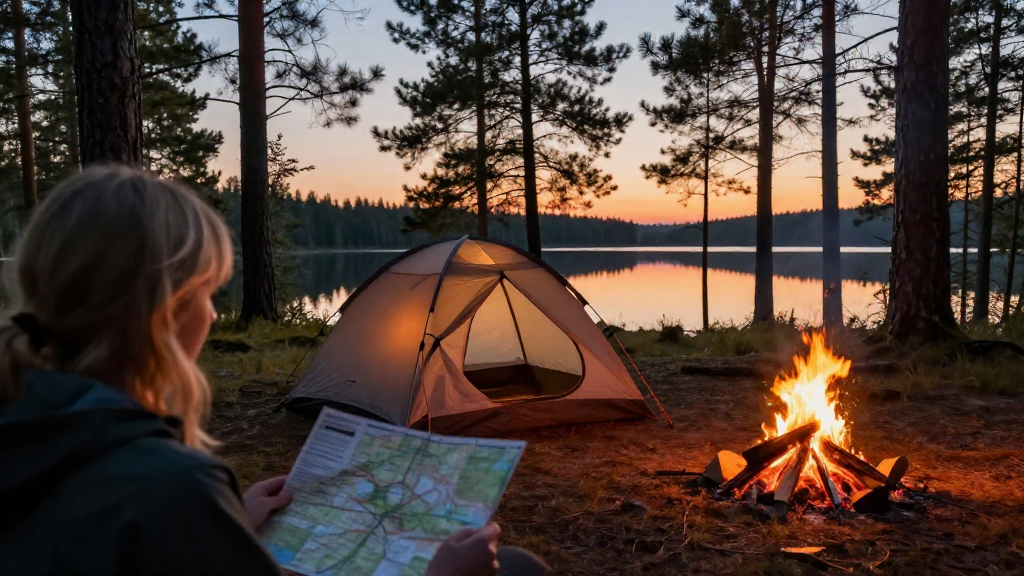
When embarking on a wild camping adventure, knowing the best wild camping safety tips can help ensure an enjoyable and safe experience in the great outdoors.
Why Is Wild Camping Important?
Wild camping allows you to connect with nature, escape urban life, and explore stunning landscapes. However, it comes with its own set of challenges. Here are some essential wild camping safety tips to consider before you head out.
What Should You Do Before Setting Off?
Preparation is key to a successful wild camping trip.
1. Research Your Destination:
– Understand the terrain, weather conditions, and potential hazards.
– Check if wild camping is allowed in your chosen area, as laws and regulations vary by location.
2. Inform Someone of Your Plans:
– Always tell a friend or family member where you’ll be and when you expect to return.
– Consider using apps or devices that allow for location sharing.
3. Check the Weather:
– Look for updates on weather conditions to avoid storms or extreme temperatures.
– Prepare appropriate gear for the conditions forecasted.
What Gear Is Essential for Safety?
Having the right equipment is vital for wild camping safety. Here’s a checklist to keep you prepared:
1. A Durable Tent:
– Choose a tent that suits your environment (e.g., waterproof, wind-resistant).
– Ensure it has good ventilation to avoid condensation buildup.
2. Quality Sleeping Gear:
– Invest in a suitable sleeping bag rated for your climate.
– A sleeping pad will offer insulation from the cold ground.
3. First Aid Kit:
– Always carry a well-stocked first aid kit.
– Include essential items like antiseptic wipes, bandages, and a snake bite kit if in prone areas.
4. Fire-starting Equipment:
– Bring waterproof matches, a lighter, or fire starters.
– Know how to safely start and maintain a fire.
5. Navigation Tools:
– GPS devices, maps, and compasses should always be included.
– Ensure you’re comfortable using these tools to avoid getting lost.
How Can You Enhance Your Survival Skills?
Understanding survival techniques can greatly improve your safety during wild camping.
1. Know How to Build a Shelter:
– Learn how to make a temporary shelter using natural materials.
– Understanding wind direction and elevation can help you choose a suitable site.
2. Learn How to Find Water:
– Identify nearby streams or lakes, but also know how to filter or purify water.
– Always carry a portable water filter or purification tablets.
3. Recognize Edible Plants and Wildlife:
– Educate yourself about local flora and fauna.
– Knowing what’s safe to eat can provide nourishment in an emergency.
What Are the Best Practices for Wildlife Encounters?
Wildlife encounters are part of the wild camping experience, but it’s essential to be cautious.
1. Store Food Properly:
– Hang food in a bear bag or use bear canisters if in bear country.
– Never leave food out at your campsite to avoid attracting animals.
2. Keep Your Distance:
– Observe wildlife from a safe distance and avoid approaching them.
– Know what to do if you encounter large animals, such as bears or moose.
3. Be Aware of Insects:
– Use insect repellent to protect against ticks and mosquitoes.
– Wear long sleeves and pants when in heavily infested areas.
Why Is Fire Safety Important in Wild Camping?
Creating a campfire is rejuvenating, but safety must come first.
1. Choose the Right Spot:
– Build fires away from flammable materials and in designated fire rings if available.
– Ensure the area is clear of low-hanging branches.
2. Monitor the Fire:
– Never leave your fire unattended.
– Keep water or sand handy to extinguish the fire if needed.
3. Extinguish Properly:
– Once you’re done, make sure the fire is completely out by dousing it with water and stirring the ashes.
– Ensure there are no remaining embers before leaving the area.
What Do You Need to Know About Navigation and GPS?
Getting lost can be a significant risk, especially in the wilderness.
1. Use a Map and Compass:
– Familiarize yourself with compass reading and navigation on foot.
– Practice using maps before your trip, as technology may fail.
2. Know Your GPS Device:
– Familiarize yourself with your GPS unit and its features.
– Always have printed backup maps in case of technology failure.
How Should You Handle Emergencies on the Trail?
Being prepared for emergencies can make all the difference.
1. Plan for Injuries:
– Know how to treat common outdoor injuries like sprains, cuts, or insect bites.
– Carry a communication device like a satellite phone if you’re going into remote areas.
2. Stay Calm:
– In case you get lost or face a challenge, take a moment to assess your situation.
– Avoid panicking; instead, make a plan to ensure your safety.
3. Have a Backup Plan:
– Always have an exit strategy in case your adventure takes a dangerous turn.
– Identify the nearest road or trail, and know how you can get back to civilization.
What Are Some General Wild Camping Etiquette Tips?
Respecting nature and other campers is crucial while enjoying the wild.
1. Follow Leave No Trace Principles:
– Pack out all trash, leftover food, and other items.
– Leave natural spaces as you found them.
2. Respect Other Campers:
– Keep noise to a minimum and maintain privacy.
– Camp at least 200 feet away from trails and water sources.
3. Be Mindful of Fires:
– Check local fire restrictions before starting a fire.
– Only use fire for cooking, and extinguish it thoroughly.
Conclusion: How Can You Ensure a Safe Wild Camping Experience?
Embracing the great outdoors through wild camping is an adventure worth undertaking.
By following these wild camping safety tips, you can maximize your enjoyment while minimizing risks.
Whether embarking on a solo journey or a group adventure, preparation and awareness will not only keep you safe but also enhance your connection to nature.
Now that you’re equipped with these insights, it’s time to plan your next wilderness escape!
Remember: a well-prepared camper is a happy camper.