If you want an easier, more immersive way to explore the night sky, binoculars for stargazing are a smart place to start. They’re simple to use, more portable than telescopes, and can reveal star clusters, the Moon, and brighter deep-sky sights with impressive clarity.
This roundup focuses on the best 10 options for 2026, balancing aperture, magnification, comfort, and value so you can choose the right pair for your sky, budget, and experience level.
Best 10 Binoculars for Stargazing Picks for 2026
Giant Deep-Sky Pick
Celestron SkyMaster 15x70 Astronomy Binoculars for Stargazing and Deep-Sky

- 15x70 design for bright night-sky viewing
- BaK-4 prisms and multi-coated optics
- Tripod-ready with built-in adapter
Best For: stargazers who want bright, steady views of deep-sky targets
Lightweight Travel Companion
12x42 Binoculars with Phone Adapter & Tripod
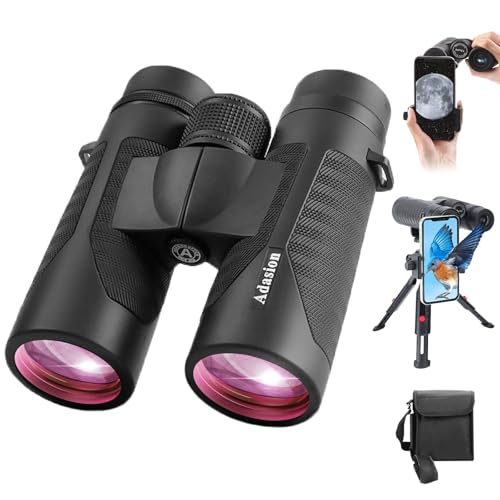
- 12x42 format stays relatively light at 1.25 lbs
- BAK4 prisms and fully multi-coated lenses
- Includes tripod, phone adapter, and waterproofing
Best For: shoppers wanting a lighter all-purpose pair with occasional stargazing
Beginner Night-Sky Option
Celestron Cometron 7x50mm Astronomy Binoculars

- 7x50 setup gives a wide, easy-to-scan view
- Multi-coated optics improve brightness and contrast
- Tripod socket supports steadier astronomy sessions
Best For: beginners learning the night sky with a wide-field binocular
High-Power Budget Pick
20x50 High Powered Compact Binoculars

- 20x magnification in a compact body
- BAK4 Porro prism with multilayer-coated lenses
- Waterproof and tripod mountable
Best For: buyers who want compact high power for occasional stargazing
Best for Easy Setup
Celestron SkyMaster 20x80 Astronomy Binoculars

- 80mm objectives for strong light gathering
- 20x power for deep-sky observation
- Tripod-adaptable with BaK-4 prisms
Best For: Stargazers who want bright, detailed deep-sky views and don’t mind tripod use.
Ultra-Wide Sky Scanner
SVBONY SV407 2.1x42 Astronomy Binoculars
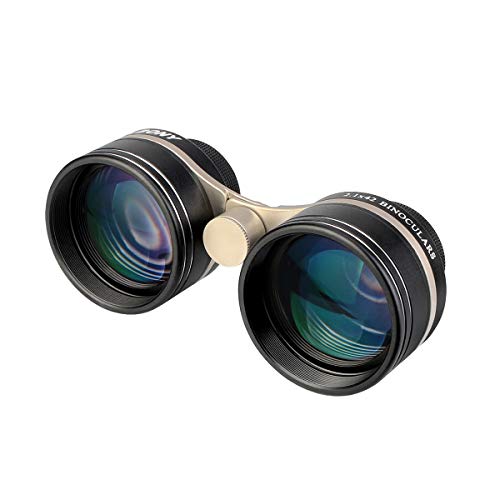
- 2.1x power with a 26° field of view
- Designed to show constellations and star fields
- FMC coating and independent focusing
Best For: Wide-field constellation viewing and easy, low-power sky scanning.
High-Power Budget Giant
Celestron SkyMaster 25x70 Astronomy Binoculars

- 25x magnification for long-range detail
- 70mm objectives for low-light viewing
- Tripod adapter included for stable use
Best For: Stargazers who want strong magnification for long-range detail and tripod-based viewing.
Powerful Deep-Sky Choice
20x80 Astronomy Binoculars for Adults High Powered

- 20x80 magnification and 80mm objectives
- BaK-4 prisms for brighter low-light views
- Tripod-ready but heavy to handhold
Best For: Tripod-based moon and deep-sky viewing
Budget-Friendly Starter Pick
Celestron UpClose G2 10x50 Porro Binoculars

- 10x50 design for versatile viewing
- Multi-coated BK-7 optics and Porro prisms
- Water-resistant with included accessories
Best For: Beginners and budget-conscious casual stargazers
Premium Tripod Astronomy Build
Celestron SkyMaster Pro 20x80 Astronomy Binoculars

- 20x80 optics with XLT fully multi-coated lenses
- BaK-4 prisms plus waterproof, fogproof body
- Tripod adapter and RSR rail included
Best For: Serious astronomy users seeking premium optics
Giant Deep-Sky Pick – Celestron SkyMaster 15×70 Astronomy Binoculars for Stargazing and Deep-Sky
If you want binoculars for stargazing with serious light-gathering power, the Celestron SkyMaster 15×70 is built for that job. The large 70mm objectives and 15x magnification are aimed at brighter views of dim night-sky targets, and the included tripod adapter helps keep the image steadier during longer observing sessions.
Best For: Stargazers who want bright, detailed views of the Moon, comets, and deep-sky objects with a tripod.
Pros:
- 15x magnification with large 70mm objective lenses for strong light gathering
- BaK-4 prisms and multi-coated optics for brighter, sharper night viewing
- Tripod-adaptable with a built-in 1/4″-20 adapter for steadier sessions
- Water-resistant rubber-armored housing for added durability
Cons:
- At 3.3 pounds, they are not ideal for extended handheld use
- Tripod is not included
- Best suited to stationary observing rather than quick grab-and-go viewing
Overall, this is a strong option if your priority is brighter astronomy views rather than compact portability. It fits best with a tripod setup and a patient observing style.
Lightweight Travel Companion – 12×42 Binoculars with Phone Adapter & Tripod
For binoculars for stargazing that still work well for daytime use, these 12×42 Adasion binoculars offer a practical middle ground. They combine a lighter 1.25 lb build with BAK4 prisms, fully multi-coated lenses, and a tripod plus phone adapter for more stable viewing and easy photo capture.
Best For: Buyers who want a lightweight, versatile binocular set for casual stargazing and general outdoor use.
Pros:
- 12x magnification with a 42mm objective lens in a lightweight body
- BAK4 prisms and fully multi-coated optics for brighter low-light views
- Includes a phone adapter and tripod for steadier viewing and recording
- IPX7 waterproof and fog-proof for outdoor use
Cons:
- Smaller objective lenses gather less light than larger astronomy-focused models
- Lower magnification than some dedicated skywatching binoculars
- Best for casual astronomy rather than maximum deep-sky brightness
These are a flexible option if you want one pair of binoculars for trips, events, and occasional night-sky use. They are less specialized than astronomy-first models, but easier to carry and use across more situations.
Beginner Night-Sky Option – Celestron Cometron 7x50mm Astronomy Binoculars
The Celestron Cometron 7×50 is a beginner-friendly choice for binoculars for stargazing, especially if you want a wide field of view and easy handheld use. Its 7x magnification and 50mm objectives are designed to make scanning the Milky Way, star clusters, and comets straightforward, while the tripod socket adds flexibility for steadier viewing.
Best For: Beginners who want an easy, wide-view astronomy binocular for learning the night sky.
Pros:
- 7x magnification provides a wide view that is easier to aim and track
- 50mm objectives and multi-coated optics help boost brightness and contrast
- Built-in tripod adapter socket supports shake-free extended viewing
- Also useful for birdwatching, hiking, and scenic viewing
Cons:
- Lower magnification is not as detailed as higher-power astronomy binoculars
- Adapter is not included, so tripod use requires an extra purchase
- Less suited to users who want a highly compact design
This model stands out for ease of use and a forgiving view, which makes it a smart starting point for astronomy. If your focus is learning the sky rather than chasing maximum reach, it fits well.
High-Power Budget Pick – 20×50 High Powered Compact Binoculars
If you want binoculars for stargazing with high magnification in a compact body, this 20×50 option is built around reach and portability. It features a 20x eyepiece, BAK4 Porro prisms, and multilayer-coated lenses, plus a tripod mount for users who want a steadier setup during longer viewing sessions.
Best For: Users who want a compact, high-magnification pair for occasional stargazing and outdoor trips.
Pros:
- 20x magnification for strong reach on distant targets
- BAK4 Porro prism and multilayer-coated optics for better clarity and light transmission
- Compact, shock-resistant design with waterproof construction
- Tripod mount support for more stable viewing
Cons:
- High magnification can be harder to hold steady by hand
- Smaller 50mm objectives are less astronomy-focused than larger aperture models
- Best suited to occasional use rather than dedicated deep-sky observing
This is a practical pick if you want more magnification without moving to a bulkier astronomy binocular. It is best treated as a versatile, high-power option rather than a specialist night-sky instrument.
Best for Easy Setup – Celestron SkyMaster 20×80 Astronomy Binoculars
If you want binoculars for stargazing that lean toward serious deep-sky viewing, the Celestron SkyMaster 20×80 is built around big light-gathering 80mm objectives and 20x magnification. It’s designed for dim conditions and astronomical observation, and most buyers will want to pair it with a tripod for a steadier view.
Best For: Stargazers who want bright, detailed deep-sky views and don’t mind tripod use.
Pros:
- Large 80mm objective lenses help collect more light for night viewing.
- 20x magnification is suited to long-distance astronomical observation.
- BaK-4 prisms and multi-coated optics are aimed at brighter, sharper images.
- Built-in 1/4″-20 adapter makes tripod mounting quick and simple.
Cons:
- Most users will need a tripod because of the size and weight.
- At 4.8 pounds, it’s not a grab-and-go option.
- High magnification can be harder to hand-hold steadily.
Overall, this is the most serious astronomy-focused option in the group, especially if your priority is brighter deep-sky detail over portability. It’s a strong pick when you’re willing to set up and observe rather than carry light.
Ultra-Wide Sky Scanner – SVBONY SV407 2.1×42 Astronomy Binoculars
For binoculars for stargazing that emphasize wide sky coverage instead of high power, the SVBONY SV407 uses a 2.1x magnification and a very wide 26-degree field of view. That makes it useful for scanning constellations and star fields, with a low-magnification design that’s meant to show more of the sky at once.
Best For: Wide-field constellation viewing and easy, low-power sky scanning.
Pros:
- 26-degree field of view shows a much larger patch of sky.
- 2.1x magnification is easy to use for sweeping star fields.
- FMC coating and fully multi-coated optics are built for clearer views.
- Independent focusing and eyepiece focusing support precise setup.
Cons:
- Low magnification is not meant for close-up detail.
- 9mm eye relief may not suit every user comfortably.
- It’s more of a specialty sky-viewing tool than a general-purpose binocular.
This model stands out if you want to see more of the night sky instead of zooming in on one target. It’s a practical choice for constellation spotting and broad, relaxed stargazing sessions.
High-Power Budget Giant – Celestron SkyMaster 25×70 Astronomy Binoculars
If you’re comparing binoculars for stargazing and want more reach than a standard astronomy model, the Celestron SkyMaster 25×70 pushes up to 25x magnification with 70mm objectives. It’s built for astronomical or terrestrial viewing, and like other large binoculars in this class, it works best on a tripod.
Best For: Stargazers who want strong magnification for long-range detail and tripod-based viewing.
Pros:
- 25x magnification gives more reach for distant astronomical targets.
- 70mm objective lenses are sized for brighter views in low light.
- BaK-4 prisms and multi-coated optics are intended for clearer images.
- Includes a tripod adapter for stable setup.
Cons:
- Most users will need a tripod for comfortable viewing.
- High power can be difficult to hold steady by hand.
- 13mm eye relief is more limited than some lower-power options.
This is the choice for users who want more magnification and don’t mind setting up support gear. It’s a strong fit for detailed night-sky viewing, especially when stability matters as much as brightness.
Powerful Deep-Sky Choice – 20×80 Astronomy Binoculars for Adults High Powered
If you’re shopping for binoculars for stargazing, this 20×80 model is built for bright, detailed views of the Moon, star clusters, and other deep-sky targets. The large 80mm objectives and BaK-4 prisms are aimed at low-light performance, but the 20x magnification and 4.66 lb build mean a tripod is the practical way to use them.
Best For: Stargazers who want strong light-gathering and don’t mind using a tripod for steadier viewing.
Pros:
- 20×80 optics deliver bright, detailed celestial views
- BaK-4 prisms help improve brightness and clarity in low light
- Includes a 1/4-thread tripod connection for stable observing
- Rubber-armored, waterproof body with non-slip grip
Cons:
- Heavy at 4.66 lb, so handheld use can be tiring
- Best performance depends on tripod support
This is a strong pick if your priority is maximum aperture and tripod-based astronomy viewing. It leans more toward serious skywatching than casual handheld use.
Budget-Friendly Starter Pick – Celestron UpClose G2 10×50 Porro Binoculars
For buyers comparing binoculars for stargazing on a budget, this 10×50 Celestron offers a balanced entry point with bright objectives and a traditional Porro prism design. It is also water-resistant and comes with the basic accessories you need to get started, making it a practical all-around option for casual skywatching.
Best For: Beginners and budget-minded shoppers who want an easy-to-use astronomy and general viewing binocular.
Pros:
- 10×50 configuration is a versatile starting point for astronomy
- Multi-coated BK-7 prism glass helps increase light transmission
- Water-resistant body with rubber-covered aluminum construction
- Includes case, covers, lens cloth, and instruction manual
Cons:
- BK-7 prisms are not as premium as BaK-4 options
- Not as powerful as 20×80 models for distant celestial detail
This is the most approachable option in the group if you want something useful for astronomy without jumping straight to a large, tripod-heavy setup. It fits a broad range of everyday viewing too.
Premium Tripod Astronomy Build – Celestron SkyMaster Pro 20×80 Astronomy Binoculars
If you want binoculars for stargazing with more premium optical features, the SkyMaster Pro 20×80 is designed for brighter, sharper views in dim conditions. Its fully multi-coated optics with Celestron XLT coatings, BaK-4 prisms, and large 80mm objectives make it a strong fit for serious astronomical observing, especially from a tripod.
Best For: Serious observers who want high-powered astronomy binoculars with upgraded coatings and a tripod-based setup.
Pros:
- 20×80 format with large objectives for strong light gathering
- Fully multi-coated XLT optics and BaK-4 prisms
- Waterproof, nitrogen-purged body helps resist fogging
- Includes tripod adapter and RSR rail for easier target acquisition
Cons:
- Large and heavy at 5 pounds
- Field of view is narrower than the 10×50 option
- Tripod use is essential for comfortable viewing
Among the three, this is the most feature-rich astronomy-first choice. It makes the most sense if you care about optical upgrades and plan to observe from a stable mount.
How We Picked These Binoculars for Stargazing
We prioritized optical performance, sky-friendly magnification, aperture, field of view, and overall usability. For Binoculars for Stargazing, the best models deliver enough light-gathering power to brighten faint objects without becoming too shaky or difficult to hold steady.
We also considered weight, tripod compatibility, eye relief, close focus, and whether a model makes sense for beginners, casual observers, or more serious deep-sky viewing.
Quick Comparison
As a rule, 7x to 10x models are easier to handhold and show a wider patch of sky, while 15x and above can reveal more detail but usually benefit from a tripod. Larger objectives like 70mm or 80mm gather more light, which helps on dim star clusters and nebulae, but they also add bulk.
At a Glance
- Best for handheld comfort: 7×50 and 10×50 styles
- Best for deep-sky brightness: 15×70, 20×80, and similar large-aperture models
- Best for wide-field scanning: lower-magnification, wider-angle designs
- Best for stability: tripod-ready binoculars and lighter-weight frames
Key Buying Factors for Binoculars for Stargazing
Magnification
Higher magnification is not always better. For many observers, 7x to 10x offers the best balance of steadiness and sky coverage. If you want more detail on the Moon or brighter deep-sky objects, 15x to 20x can be worthwhile, especially with support.
Aperture
A larger objective lens, such as 50mm, 70mm, or 80mm, collects more light. That can make faint stars and clusters easier to see, but larger lenses usually mean a heavier binocular.
Stability and Mounting
For higher-power binoculars, tripod compatibility matters. Even excellent optics will feel frustrating if the view shakes too much to enjoy. If you prefer casual, grab-and-go use, choose a lighter model with moderate magnification.
Field of View and Comfort
A wider field of view makes it easier to sweep the Milky Way and locate targets. Comfortable eye cups, usable eye relief, and manageable weight also make longer sessions more enjoyable.
Who Should Buy Which Binoculars for Stargazing?
Beginners and casual observers should look first at 7×50 or 10×50 Binoculars for Stargazing, since they’re easier to aim and hold steady. If you want brighter views of clusters, nebulae, and lunar detail, step up to 15×70 or 20×80 models and plan to use a tripod.
Travelers or all-purpose users may prefer a more compact, versatile pair with moderate magnification, while dedicated skywatchers will usually get the most from larger-aperture astronomy binoculars built for stability and light gathering.
In short, the best choice depends on how you observe: handheld simplicity, wide-field scanning, or maximum brightness and detail.