Choosing the right sleeping pad can make or break a backpacking trip. The best options balance comfort, warmth, packed size, and durability without adding unnecessary weight.
Below, we focus on the most useful sleeping pads for backpacking in different conditions, from fast-and-light trips to colder, more demanding overnights.
Best 10 Sleeping Pads for Backpacking Picks for 2026
Quick Comfort Pick
FUN PAC Ultralight Camping Mat with Pillow

- Built-in foot pump inflates in 30-60 seconds
- 3-inch thick, extra-wide sleep surface
- Built-in pillow and connectable side buttons
Best For: Backpackers wanting fast setup and added comfort
Classic Foam Choice
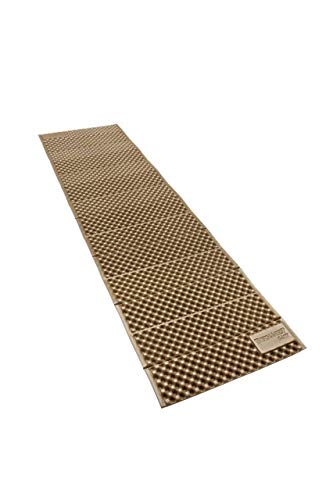
- 14-ounce closed-cell foam pad
- Accordion fold is compact and simple
- R-Value 1.7 adds basic warmth
Best For: Minimalist backpackers who want durable simplicity
Side Sleeper Comfort Pick
4 Inch Backpacking Sleeping Pad with Foot Pump

- 4-inch thickness for strong ground clearance
- Built-in foot pump inflates in about 30 seconds
- Made for side sleepers with pillow support
Best For: Side sleepers wanting thick, fast-inflating comfort
All-Season Insulated Pick
TREKOLOGY UL R7 4" Camping Pad

- High 7.2 R-value for cold-ground insulation
- 4-inch inflatable design with water-bottle pack size
- 40D ripstop nylon with TPU coating
Best For: All-season backpackers needing warmth and compactness
Ultralight & Quick-Inflate Pick
Ultralight Camping Pad with Pillow & Foot Pump

- 4-inch thickness with built-in pillow
- Built-in pump inflates in 30-60 seconds
- Weighs 1.8 lb and packs small
Best For: Backpackers who want extra comfort without a heavy setup
Cold-Weather Value Pick
Gear Doctors Oxylus Insulated Self-Inflating Pad
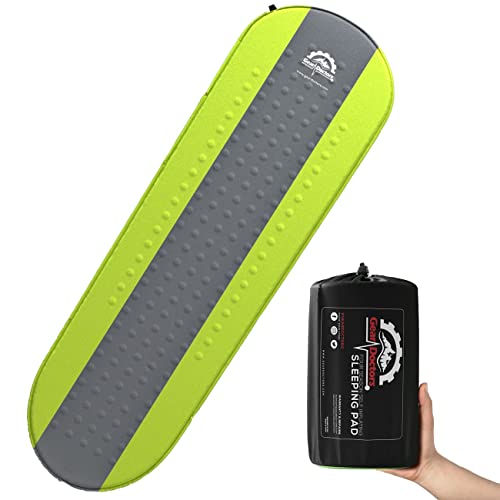
- 4.3 R-value for better warmth
- Self-inflating foam setup is simple
- 75D shell resists abrasion and moisture
Best For: Backpackers needing a warmer, durable pad for cooler trips
Most Cushioned Option
OGERY 6-Inch Inflatable Sleeping Pad

- 6-inch thickness for extra cushioning
- Built-in pillow and foot pump
- Packs compact despite the thicker build
Best For: Backpackers who prioritize maximum comfort over minimum weight
Minimalist Foam Pick
Foldable IXPE Foam Sleeping Pad with Aluminum Film

- Foldable closed-cell foam design
- Waterproof and moisture-proof
- Insulation rating of 2.1
Best For: Ultralight backpackers who prefer a no-inflation pad
Warm Weather-to-Winter Pick
Trekology 4-Inch Insulated Sleeping Pad

- 7.2 R-value for strong insulation
- 4-inch thick inflatable design
- Compact, water-resistant construction
Best For: Backpackers wanting an all-season insulated pad
Ultralight Comfort Pick
Gear Doctors Ether 17.5oz Backpacking Pad

- 17.5 oz pack weight
- Detachable foot pump sack included
- 2 R-value suited to warmer seasons
Best For: Ultralight hikers wanting compact comfort and easy setup
Quick Comfort Pick – FUN PAC Ultralight Camping Mat with Pillow
If you want sleeping pads for backpacking that feel more like a real mattress than a bare pad, this FUN PAC option brings a lot to the table. It combines an extra-wide layout, 3-inch thickness, and a built-in pillow with a built-in foot pump, making it a practical choice for campers who want comfort without extra gear.
Best For: Backpackers who want a lightweight, easy-to-pack pad with quick inflation and built-in pillow support.
Pros:
- 30-60 second inflation with the built-in foot pump and one-second deflation.
- Extra-wide 78 x 27 inch size and 3-inch thickness for added sleep support.
- Built-in pillow helps reduce the need to carry separate gear.
- 40D nylon and TPU construction is designed to be durable and easy to clean.
Cons:
- At 1.5 pounds, it is not the lightest option in this roundup.
- Single-person size may not suit taller or broader sleepers who want more room.
Overall, this is a strong comfort-first backpacking pad if you value convenience, width, and fast setup. The connectable side buttons also make it more versatile for paired camping.
Classic Foam Choice – Therm-a-Rest Z Lite Original
For backpackers who want a simple, durable option in sleeping pads for backpacking, the Therm-a-Rest Z Lite Original is a proven closed-cell foam classic. It folds accordion-style, packs quickly, and focuses on dependable ground protection rather than plush cushioning.
Best For: Hikers and backpackers who want a lightweight, low-fuss foam pad with dependable warmth and durability.
Pros:
- Very light at 14 ounces and easy to carry on the trail.
- Closed-cell foam construction is durable, dependable, and economical.
- Dimpled surface helps trap heat for extra warmth in cold conditions.
- Accordion folding design packs compactly and is easy to deploy.
Cons:
- R-Value 1.7 is best for milder conditions, not cold-weather insulation.
- Foam design is less cushioned than inflatable backpacking pads.
This is a good pick if you prioritize reliability, simplicity, and weight savings over premium comfort. It remains one of the easiest ways to add basic insulation and ground protection to a pack.
Side Sleeper Comfort Pick – 4 Inch Backpacking Sleeping Pad with Foot Pump
This is one of the more comfort-focused sleeping pads for backpacking if you tend to sleep on your side. With 4 inches of thickness, an integrated neck pillow, and a silent, non-slip surface, it is built to reduce pressure points and keep you off the ground.
Best For: Side sleepers and backpackers who want a thick, easy-to-inflate pad with strong ground clearance.
Pros:
- 4 inches of thickness helps create true ground-free sleep.
- Built-in foot pump inflates in about 30 seconds.
- Designed for side sleepers with reduced hip and shoulder pressure.
- 40D nylon construction adds ruggedness for trail use.
Cons:
- Weighs 1.9 pounds, so it is heavier than ultralight foam options.
- Bulky comfort features may be more than needed for strict weight counters.
For backpackers who care more about sleep quality than shaving every ounce, this pad offers an appealing mix of thickness, speed, and stability. It also packs down to water-bottle size for easier carry.
All-Season Insulated Pick – TREKOLOGY UL R7 4" Camping Pad
If your backpacking plans stretch into colder weather, this TREKOLOGY pad stands out for its high insulation rating. Among sleeping pads for backpacking, it is aimed at travelers who want a lightweight inflatable with serious warmth, a 4-inch profile, and a compact packed size.
Best For: All-season backpackers who want high insulation, a compact carry, and a supportive inflatable design.
Pros:
- 7.2 R-value provides strong insulation against ground chill.
- 4-inch thickness helps prevent bottoming out.
- Weighs 2 lbs and packs to about the size of a water bottle.
- 40D ripstop nylon with TPU coating is water-resistant and tear-resistant.
Cons:
- No built-in pump; inflation requires mouth or a separate pump bag.
- Best suited for sleepers up to 5’11”, so taller users may want a larger pad.
This is a smart choice if warmth is your priority and you want a pad that still packs efficiently. The combination of high R-value, sturdy materials, and respectable width makes it a practical all-season backpacking option.
Ultralight & Quick-Inflate Pick – Ultralight Camping Pad with Pillow & Foot Pump
If you want sleeping pads for backpacking that balance comfort with easy carry, this model stands out for its 4-inch thickness, built-in pillow, and fast foot-pump inflation. It packs small, weighs 1.8 pounds, and is made from durable 40D nylon with a TPU layer, making it a practical option for trail overnights, hiking trips, and travel.
Best For: Backpackers who want a lightweight pad with extra cushioning and quick setup.
Pros:
- Inflates in about 30-60 seconds with the built-in pump.
- 4-inch thickness and built-in pillow add comfort for back, side, and stomach sleepers.
- Weighs 1.8 pounds and folds into a compact carry bag for easier packing.
- 40D nylon and TPU construction is designed for durability and waterproof performance.
Cons:
- The thicker, more cushioned build may be less compact than minimalist pads.
- Requires attention to the pillow valve to fully seal before inflation.
Overall, this is a strong choice if comfort matters as much as portability on the trail. The connectable side buttons also make it more flexible for shared camping setups.
Cold-Weather Value Pick – Gear Doctors Oxylus Insulated Self-Inflating Pad
For sleeping pads for backpacking in colder conditions, the Gear Doctors Oxylus focuses on insulation and dependable support. Its 4.3 R-value foam core, self-inflating design, and 1.5-inch thickness make it a versatile pick for three-season to four-season use, especially when you want a pad that balances warmth, comfort, and straightforward setup.
Best For: Backpackers and campers who need a warmer self-inflating pad for varied conditions.
Pros:
- 4.3 R-value insulation helps retain warmth on cold ground.
- Self-inflating foam design simplifies setup for beginners and families.
- 75D micro-coated polyester shell is built for abrasion, moisture, and UV resistance.
- Compact packed size and 35.2 oz weight keep it reasonably packable for backpacking.
Cons:
- At 1.5 inches thick, it offers less plush cushioning than thicker inflatable pads.
- Heavier than the lightest minimalist backpacking options.
This pad makes sense if warmth and durability matter more than shaving every ounce. The lifetime replacement guarantee is also a notable confidence boost for long-term use.
Most Cushioned Option – OGERY 6-Inch Inflatable Sleeping Pad
If comfort is your priority in sleeping pads for backpacking, the OGERY pad offers a notably thick 6-inch profile with a built-in pillow. It also uses a built-in foot pump for easy inflation, and despite the extra cushioning, it still packs down small enough for travel and camping trips.
Best For: Backpackers who want the thickest, most elevated sleeping surface here.
Pros:
- 6-inch thickness provides extra elevation and cushioning.
- Built-in pillow adds head and neck support.
- Foot pump inflation and dual-layer valves are designed for quick setup and reduced leakage.
- Weighs 2.4 lbs and packs into a compact size for portability.
Cons:
- Heavier than ultralight backpacking pads.
- Extra thickness may be more than some hikers need for minimalist trips.
This is the comfort-first pick in the group, especially if you like a taller, bed-like feel in camp. It should appeal most to backpackers willing to carry a bit more weight for better sleep.
Minimalist Foam Pick – Foldable IXPE Foam Sleeping Pad with Aluminum Film
If you want a simple option among sleeping pads for backpacking, this foldable closed-cell foam pad focuses on low weight, weather resistance, and straightforward insulation. The IXPE foam construction with reflective aluminum film is built to trap warmth, while the waterproof design makes it a practical choice for damp ground and rougher outdoor use.
Best For: Ultralight hikers, thru-hikers, and campers who want a foldable foam pad that is easy to carry and handles wet conditions.
Pros:
- Lightweight at about 396 g, with a foldable design for easy packing
- Waterproof and moisture-proof construction for outdoor use
- Reflective aluminum film and insulation rating of 2.1 help retain body heat
- Simple closed-cell foam build with no inflation required
Cons:
- Only 0.7 inches thick, so cushioning is limited compared with inflatable pads
- Best suited to minimalists rather than sleepers who want plush comfort
Overall, this is a solid pick if your priority is dependable ground insulation without the fuss of valves or pumps. It trades softness for simplicity, but that can be exactly what many backpackers want.
Warm Weather-to-Winter Pick – Trekology 4-Inch Insulated Sleeping Pad
Among sleeping pads for backpacking, this Trekology model stands out for cold-weather insulation and thicker comfort. Its 7.2 R-value, 4-inch profile, and water-resistant construction make it a strong all-season option for hikers who want more support without giving up compact packability.
Best For: Backpackers who want a warm, supportive inflatable pad for all-season camping.
Pros:
- High 7.2 R-value for strong insulation against ground chill
- 4-inch thickness helps prevent bottoming out
- Compact packed size and 2 lb weight keep it trail-friendly
- 40D ripstop nylon with TPU coating adds durability and water resistance
Cons:
- At 2 lbs, it is heavier than the lightest backpacking options
- Requires mouth inflation or a separate pump bag, which is not included
This is a good choice if warmth and sleep comfort matter more than shaving every ounce. It offers a balance of insulation, support, and portability that works well for a wide range of trips.
Ultralight Comfort Pick – Gear Doctors Ether 17.5oz Backpacking Pad
If your goal is a lighter sleep system, this Gear Doctors Ether pad is one of the more travel-friendly sleeping pads for backpacking in the group. It packs down to bottle size, uses a detachable foot pump sack for quick setup, and offers a shaped design intended to improve comfort and stability on the trail.
Best For: Ultralight backpackers and hikers who want a compact inflatable pad with fast setup and a roomy sleep surface.
Pros:
- Very light at 17.5 oz and packs to a small 8.6″ x 3.1″ size
- Includes a detachable foot pump sack and anti-leak valve system
- Inflates to a large 76″ x 25″ surface with contoured comfort shaping
- Supports up to 440 lb and includes a repair kit and user manual
Cons:
- 2 R-value is better suited to spring and summer than cold-weather trips
- Foot pump setup may not appeal to everyone, even though it avoids lung inflation
For hikers who want a compact pad without sacrificing usable sleeping space, this is an appealing option. It leans toward lightweight convenience and moderate-season comfort rather than maximum insulation.
How We Picked the Best Sleeping Pads for Backpacking
We prioritized real-world backpacking needs: low carry weight, compact packed size, dependable insulation, and a sleep surface that suits side sleepers and back sleepers alike. We also considered setup speed, puncture resistance, and whether a pad is better for three-season or colder use.
Quick Comparison
Broadly, foam pads are the simplest and toughest, inflatable pads offer the best comfort-to-weight ratio, and self-inflating or insulated models land in the middle for convenience and warmth. If you want maximum comfort, thicker air pads stand out; if you want maximum reliability, closed-cell foam is hard to beat.
Key Buying Factors for Sleeping Pads for Backpacking
Weight and Packed Size
For backpacking, every ounce matters. Ultralight models are easier to carry on long mileage days, while bulkier pads may still be worthwhile if you value sleep quality more than minimum pack weight.
R-Value and Temperature Range
R-value measures insulation from the ground. Lower values are fine for warm-weather trips, but for shoulder-season or cold-weather use, look for higher R-values to reduce heat loss overnight. For many Sleeping Pads for Backpacking, warmth matters as much as cushioning.
Thickness and Comfort
Thicker pads usually feel better, especially for side sleepers, but they can be less stable and sometimes less efficient to pack. Foam is thinner and firmer, while air pads can provide more pressure relief.
Inflation Method
Foot pumps and built-in pumps save breath and speed up camp setup. Self-inflating pads are convenient, while foam pads require no inflation at all.
Durability and Failure Risk
If you expect rough terrain or want a backup sleep solution, foam is the most forgiving. Air pads are more comfortable but depend on airtight construction, so puncture resistance and repair options matter.
Who Should Buy Which Sleeping Pads for Backpacking?
Choose a foam pad if you want simplicity, toughness, and a reliable backup for any trip. Pick an insulated inflatable if comfort and warmth matter most on multi-day backpacking routes. Go with a lightweight air pad if you want to trim pack weight for fair-weather adventures. If you often camp in cooler conditions, prioritize higher R-value Sleeping Pads for Backpacking over pure thickness alone.
For the best all-around fit, match the pad to your sleep style, expected temperatures, and how much weight you are willing to carry. That tradeoff matters more than chasing the highest specs on paper.