Closed-cell foam pads remain a favorite for backpackers who want dependable insulation, low weight, and worry-free durability. They are simple, tough, and ready for rough ground without the risk of a puncture.
If you are choosing between classic accordion-style designs, roll-up mats, and newer ultralight foam options, this roundup highlights the best closed cell foam sleeping pads for 2026.
Best 10 Closed Cell Foam Sleeping Pads Picks for 2026
Classic UL Foam

- 14 oz and folds accordion-style for easy packing
- Reflective coating adds warmth and boosts insulation
- Durable dual-density foam for comfort and ground protection
Best For: Backpackers and mountaineers needing a proven ultralight foam pad
Budget Waterproof Foam
Foldable Waterproof IXPE Foam Pad

- Waterproof IXPE foam with reflective aluminum film
- Wider 23.6-inch sleeping surface for more room
- Folds down and weighs about 396 grams
Best For: Thru-hikers and campers wanting a waterproof, easy-carry foam mat
Trail Classic Foam
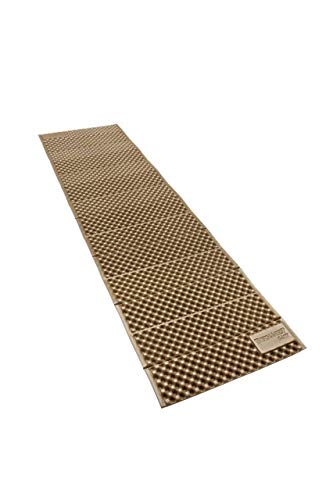
- 13.6 oz and folds compactly for easy carry
- Dimples and dual-density foam help with warmth
- Simple, durable design trusted for trail use
Best For: Backpackers who want a lightweight, dependable foam pad
Featherweight Insulated Foam

- Weighs only 0.7 lbs and folds small for packing
- Reflective film and XPE foam offer insulation rating 2.1
- Raised nodes add support while remaining simple and reliable
Best For: Hikers needing the lightest possible insulated foam pad
Ultralight tested foam pad
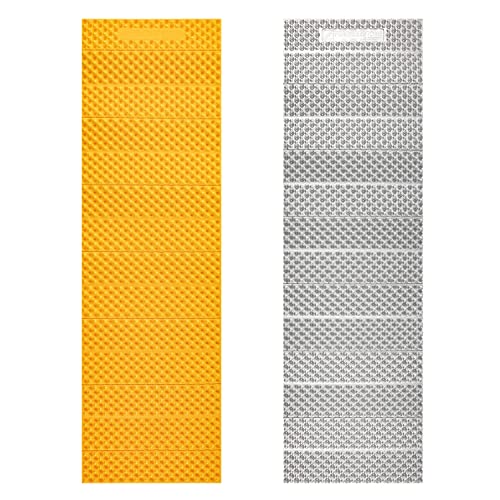
- ASTM F3340-rated R-2.1 insulation
- Hex nodes add coverage and ground height
- Won’t deflate like an air pad
Best For: Thru-hikers wanting a compact, insulating foam pad
Lightweight roll-up foam mat
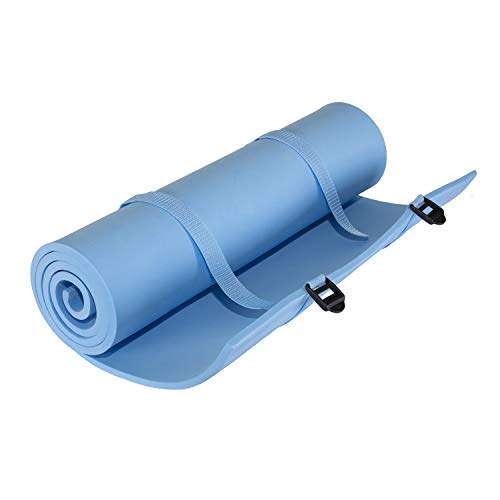
- Weighs just 9.6 ounces
- Waterproof, puncture-proof foam build
- Roll-up design with straps included
Best For: Campers who want an ultra-simple, lightweight foam mat
Peanut-Shape Ultralight Pick

- IXPE closed cell foam with moisture-resistant performance.
- Peanut-shape accordion design packs compactly.
- Aluminum film surface reflects heat and wipes clean easily.
Best For: Lightweight backpacking and multi-use camp seating
Waterproof Army-Green Option

- Waterproof foam build helps protect against ground moisture.
- Accordion folding design saves space in a pack.
- IXPE foam supports pressure points and outdoor lounging.
Best For: Wet campsites, hammock tents, and seat use
Classic UL Foam – Therm-a-Rest Z Lite Sol
Therm-a-Rest Z Lite Sol Camping and Backpacking Sleeping Pad, Blue/Silver, Regular - 20 x 72 Inches
Check Price On AmazonIf you want one of the most proven closed cell foam sleeping pads for simple, reliable backcountry use, the Therm-a-Rest Z Lite Sol is built around durability, compact folding storage, and extra warmth from its reflective coating.
Best For: Backpackers and mountaineers who want a lightweight, dependable foam pad with a long track record.
Pros:
- Lightweight 14-ounce build with folding accordion-style construction
- ThermaCapture coating and dimples are designed to boost warmth by 20%
- Soft top foam and denser bottom foam add comfort, insulation, and ground protection
- Compact folded size makes it easy to pack for trips
Cons:
- 20-inch width may feel narrow for some sleepers
- R-Value 2.0 is solid, but not ideal for the coldest conditions
Overall, this is a classic closed cell foam sleeping pad that focuses on low weight, easy packing, and dependable performance rather than plush comfort.
Budget Waterproof Foam – Foldable Waterproof IXPE Foam Pad
This closed cell foam sleeping pad is a practical pick if you want a foldable, waterproof mat with reflective insulation and a wider sleeping surface than many basic foam pads.
Best For: Ultralight backpackers, thru-hikers, and campers who want a waterproof foam pad with solid insulation.
Pros:
- Waterproof, moisture-proof, and corrosion-resistant construction
- Heat-reflective aluminum film and IXPE foam with an insulation rating of 2.1
- Wider 23.6-inch profile offers more room than standard 20-inch pads
- Foldable and portable at about 396 grams
Cons:
- Long folded package is still fairly bulky compared with inflatable pads
- At 0.7 inches thick, cushioning is limited compared with thicker sleep systems
For a straightforward foam pad, this model emphasizes weather resistance, lightweight carry, and practical insulation for outdoor travel.
Trail Classic Foam – Therm-a-Rest Z Lite Original
The Therm-a-Rest Z Lite Original is a straightforward closed cell foam sleeping pad that keeps the focus on low weight, dependable warmth, and simple folding convenience for trail use.
Best For: Backpackers who want a classic foam pad with a proven design and minimal fuss.
Pros:
- Very lightweight at 13.6 ounces
- Accordion-style folding design packs easily
- Dimples help trap heat for extra warmth in cold conditions
- Dual-density foam adds comfort on top and protection underneath
Cons:
- 20-inch width may be limiting for some users
- R-Value 1.7 is lower than more insulated foam options
This is one of the simplest closed cell foam sleeping pads to carry and use, especially if you value reliability over extra cushioning.
Featherweight Insulated Foam – Ultralight XPE Folding Pad
If your priority is keeping pack weight low, this closed cell foam sleeping pad uses ultra-light XPE foam and a foldable design to deliver insulation and portability for hiking and camping.
Best For: Hikers and campers who want a very light foam pad with reflective warmth and easy storage.
Pros:
- Very light at 0.7 lbs with compact folded dimensions
- Heat-reflective aluminum film and XPE foam with insulation rating of 2.1
- Raised nodes are designed to add back support and improve comfort
- Water-resistant and moisture-proof for damp ground conditions
Cons:
- At 0.36 inches thick, cushioning is minimal
- Foam pads still offer less plush comfort than air mattresses
It’s a strong choice if you want a lightweight foam sleeping pad that prioritizes warmth, simple reliability, and easy packing over thick padding.
Spacious insulated foam pad – REDCAMP Foldable Foam Pad
If you want a straightforward closed cell foam sleeping pad with extra room, the REDCAMP foldable pad is built around comfort and convenience. Its 72 x 22 inch size, 0.75 inch thickness, and R-2.1 insulation make it a practical option for camping, hiking, and backpacking when you want simple padding and a bit of ground-cold protection.
Best For: Campers and backpackers who want a wider foam pad with moderate insulation and easy packing.
Pros:
- 22-inch width gives you more room to stretch out than standard narrow foam pads.
- 0.75-inch thickness adds cushioning for better pressure relief on the ground.
- R-2.1 closed cell foam construction offers thermal insulation for cooler conditions.
- Foldable, lightweight design makes it easy to pack and carry.
Cons:
- At 72 inches long, it may still feel limiting for very tall users.
- Foam construction is simpler and less plush than thicker inflatable pads.
This is a good fit if you value a wider sleeping surface and dependable foam-pad durability over maximum cushioning. The included mesh bag and waterproof build make it easy to store and use on varied trips.
Ultralight tested foam pad – Featherstone El Cordion
The Featherstone Outdoor El Cordion is a closed cell foam sleeping pad made for ultralight backpacking where weight, reliability, and basic warmth matter most. It uses IXPE closed cell foam with a dual-density heat reflective film and an ASTM F3340-tested R-value of 2.1, so it is aimed at keeping you warm without the worry of deflation.
Best For: Thru-hikers and backpackers who want an ultralight foam pad with tested insulation.
Pros:
- ASTM F3340-rated R-2.1 insulation adds confidence for cooler nights.
- Hexagonal nodes provide more coverage and more height from the ground than traditional egg-crate foam.
- Foam construction will not deflate, which is useful for stress-free camping.
- Lightweight build suits ultralight pack setups.
Cons:
- At 22.05 inches long, it is much more of a sit pad or short pad than a full-length mattress.
- Not water resistant, according to the supplied details.
For hikers who prioritize minimal weight and dependable insulation, this pad stands out for its tested R-value and durable foam design. The coverage-focused node pattern gives it a little more support than basic flat foam mats.
Lightweight roll-up foam mat – Stansport Pack Lite
The Stansport Pack Lite is a basic closed cell foam sleeping pad for travelers who want lightweight insulation and simple setup. Its 72 x 19 inch roll-up format, waterproof build, and puncture-proof foam construction make it a practical backcountry layer for blocking cold and damp ground.
Best For: Budget-minded hikers and campers who want a lightweight, no-fuss foam mat.
Pros:
- Very lightweight at 9.6 ounces.
- Waterproof, puncture-proof closed cell foam helps keep cold and dampness away.
- Roll-up design with included straps makes storage and transport easy.
- 72-inch length works for full-body coverage on many users.
Cons:
- 19-inch width is narrower than some other foam pads.
- 0.38-inch thickness offers limited cushioning compared with thicker pads.
This is a straightforward choice if you want a light, durable pad that handles rough use without extra complexity. It focuses on portability and basic insulation rather than premium comfort.
Peanut-Shape Ultralight Pick – Foam Camping Pads for Hiking
If you want a practical closed cell foam sleeping pad for backpacking, this IXPE foam option focuses on low weight, moisture resistance, and simple reliability. Its peanut-shape, accordion-style design helps it pack down efficiently while the aluminum film surface is meant to reflect heat and clean up easily.
Best For: Backpackers and campers who want a lightweight, foldable foam pad that won’t deflate and can double as a seat or extra ground layer.
Pros:
- Peanut-shape, accordion-style layout saves packed space.
- Closed cell IXPE foam offers moisture protection and pressure-point support.
- Aluminum film coating adds heat reflection and easier cleaning.
- Will not deflate like an air pad.
Cons:
- Foam construction is less plush than thicker inflatable pads.
- Single-pad setup may not suit users wanting maximum cushioning.
Overall, this is a straightforward closed cell foam sleeping pad built for durability, light carry weight, and dependable performance in damp outdoor conditions.
Waterproof Army-Green Option – Foam Camping Pads for Hiking
This closed cell foam sleeping pad keeps the same foldable peanut-shape design, but stands out with a waterproof rating and Army Green finish. The lightweight IXPE foam is intended to support pressure points while the accordion format helps it pack smaller for hiking and travel.
Best For: Campers who want a waterproof, lightweight foam pad for wet ground, hammock tents, or use as a seat layer.
Pros:
- Waterproof construction helps block moisture from the ground.
- Lightweight IXPE foam is designed for all-night support.
- Foldable accordion style makes storage and transport easier.
- Can also be used as a seat or to protect an inflatable mattress.
Cons:
- Foam pads are typically less cushioned than air mattresses.
- Design details are largely the same as the other versions.
If waterproofing matters more than extra padding, this is a solid closed cell foam sleeping pad with simple, dependable construction for outdoor use.
Heat-Reflective Yellow Version – Foam Camping Pads for Hiking
For a closed cell foam sleeping pad with a bit more insulation-focused design, this yellow version adds an aluminum film coating over the IXPE foam. The result is a lightweight, foldable camping pad that is meant to reflect heat, resist moisture, and stay easy to carry on backpacking trips.
Best For: Ultralight backpackers who want a waterproof foam pad with extra heat-reflective surface treatment.
Pros:
- Aluminum film coating is designed to reflect heat.
- Closed cell IXPE foam is lightweight and moisture resistant.
- Accordion-style folding makes it easier to pack.
- Won’t deflate, unlike air sleeping pads.
Cons:
- Foam padding is still simpler and firmer than air-filled alternatives.
- Limited to the same basic pad format as the other variants.
This version is a sensible pick if you want the same reliable foam-pad format with a more warmth-conscious surface treatment for cold or damp trips.
How We Picked the Best Closed Cell Foam Sleeping Pads
We focused on Closed Cell Foam Sleeping Pads that balance portability, insulation, and real-world durability. Priority went to pads that are lightweight enough for backpacking, pack reasonably small, and offer dependable performance on uneven or cold ground.
We also looked for practical details like waterproof construction, foldability or roll-up convenience, and shape or thickness that can improve comfort without adding unnecessary bulk.
Quick Comparison
Most options in this category fall into two camps: accordion-fold pads that are fast to deploy and easy to strap outside a pack, and roll-up foam mats that can pack neatly and sometimes feel a bit less bulky. Some models favor minimal weight for thru-hiking, while others lean toward broader coverage or extra cushioning for general camping.
Key Buying Factors for Closed Cell Foam Sleeping Pads
Weight and Packed Size
If you hike long distances, look for a pad that stays light and compresses efficiently. Closed-cell foam does not pack as small as inflatable pads, so the best choice is the one that fits your pack and carrying style.
Insulation and R-Value
Foam pads are valued for reliable ground insulation. If you camp in shoulder seasons or on cold soil, prioritize models with stronger thermal performance or thicker construction.
Durability and Weather Resistance
One of the biggest advantages of Closed Cell Foam Sleeping Pads is their toughness. Waterproof and puncture-proof materials matter if you camp on rocky ground, use the pad outside the tent, or want a backup sleep system.
Comfort and Coverage
Check length, width, and surface texture. Some pads prioritize minimalism, while others provide more generous coverage for side sleepers, larger adults, or general camp use.
Who Should Buy Which Closed Cell Foam Sleeping Pads?
Choose a lightweight accordion-style pad if you want fast setup and easy trail access. Pick a thicker or wider foam mat if comfort matters more than absolute packability. If you need a backup pad for emergency use, short trips, or rough terrain, a simple closed-cell design is often the most reliable option. For ultralight backpackers, the best choice is usually the model that offers the strongest balance of insulation, folded size, and weight without unnecessary extras.