Choosing the right sleeping bag can make or break a backpacking trip. The best options balance warmth, weight, packability, and comfort without adding unnecessary bulk to your pack.
In this roundup, we focus on sleeping bags for backpacking that suit different seasons, budgets, and sleep styles so you can match the bag to your conditions.
Best 10 Sleeping Bags for Backpacking Picks for 2026
Ultralight Down Classic

- 550 fill power down for compressible 3-season warmth
- Recycled fabrics with PFAS-free DWR
- About 2 lb. 6 oz. and packs small for the trail
Best For: Backpackers wanting a light, sustainable down mummy bag
Lightweight Down Minimalist

- 1.9 lb design with a compact packed size
- 600 fill power duck down for 3-season warmth
- Wide foot box plus connectable zippers
Best For: Minimalist backpackers and bikepackers in mild conditions
Roomy Synthetic Trail Bag
OneTigris Bushcrafter’s Sleeping Bag

- Tall, wide mummy design for extra sleeping space
- Water-repellent shell with quick-dry, machine-washable build
- YKK anti-snag zippers and cord-stopped hood
Best For: Backpackers who want durability and room over ultralight weight
Ultralight Warm-Weather Pick
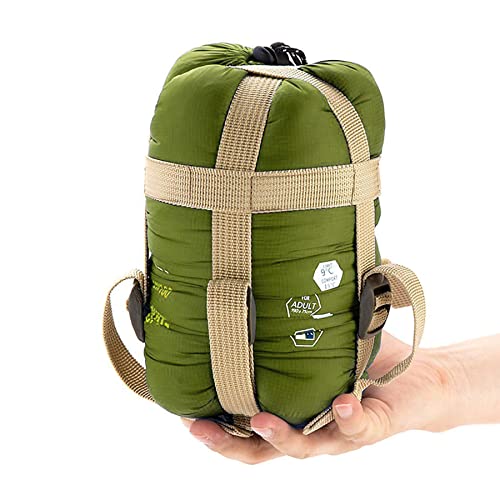
- Only 1.5 lb and compresses to about 11 inches high
- Waterproof nylon shell with breathable polyester lining
- Warm-weather design for hiking and casual backpacking
Best For: Warm-weather hikers who want a very compact bag
Warm-Weather Down Pick
Down Mummy Sleeping Bag for Adults
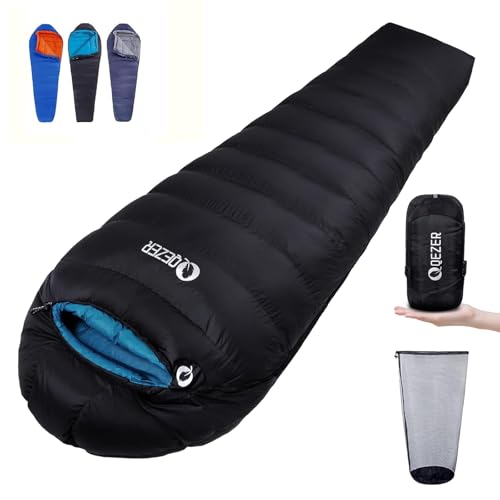
- 600+ fill power duck down
- 3.64 lb packable mummy design
- 18B0F to 32B0F comfort range
Best For: Cold-weather backpackers who want compact down insulation
Family-Friendly Trail Bag

- About 3 lbs with compression sack
- Waterproof shell and synthetic fill
- 50B0F to 77B0F warm-weather rating
Best For: Mild-weather backpackers and families wanting easy care
Ultralight Down Classic – Kelty Cosmic 20
If you want sleeping bags for backpacking that balance low weight, warmth, and a proven trail-friendly design, the Kelty Cosmic 20 is a solid pick. Its 550 fill power down, recycled shell and liner fabrics, and mummy shape make it a practical 3-season option for campers who want a compact bag without giving up comfort.
Best For: Backpackers who want a lightweight, compressible down bag with sustainable materials.
Pros:
- 550 fill power down offers compressible warmth for 3-season use.
- Recycled nylon and polyester taffeta shell and liner help reduce landfill waste.
- PFAS-free DWR and RDS-certified, traceable down add sustainability-minded details.
- About 2 lb. 6 oz. in regular size, with a compact stuffed size for backpacking.
Cons:
- 20°F rating may be too warm or not warm enough depending on conditions and layering.
- Mummy shape is less spacious than rectangular bags.
- Down bags generally need a bit more care than synthetic options.
Overall, the Cosmic 20 is a strong all-around backpacking bag if you value packability and a more eco-conscious build. It fits well for typical shoulder-season trips where weight and volume matter.
Budget Roomy Pick – SOULOUT 3-4 Season Bag
Among sleeping bags for backpacking, the SOULOUT 3-4 Season model stands out if you want more room than a mummy bag and simple all-purpose use. Its rectangular shape, water-resistant shell, and machine-washable design make it easy to live with for camping, hiking, travel, or casual outdoor trips.
Best For: Budget-minded buyers who want a roomy, easy-care sleeping bag for mild-to-cool conditions.
Pros:
- Rectangular envelope shape gives adults and teens more wiggle room.
- Water-resistant outer shell helps with light rain, moisture, and morning dew.
- Machine washable and comes with a stuff sack for easier packing and cleanup.
- Works across a wide 32-77°F range for versatile use.
Cons:
- At about 4.5 pounds, it is heavier than many backpacking-focused bags.
- Polyester fill is less compressible than down for tight pack space.
- Rectangular cut is less thermal-efficient than a mummy shape in colder weather.
This is a practical choice when comfort and convenience matter more than shaving ounces. For backpacking, it makes the most sense on trips where extra packed weight is acceptable and you want a more relaxed sleeping space.
Lightweight Down Minimalist – QEZER 0 Degree Sleeping Bag
If you are comparing sleeping bags for backpacking and want a lighter down option, this QEZER model is built around compact carry and simple trail use. It uses 600 fill power duck down, a mummy shape, and a 1.9 lb weight to keep bulk down for spring-through-fall adventures.
Best For: Backpackers and bikepackers who want a compact down bag for mild 3-season trips.
Pros:
- Weighs just 1.9 pounds and packs to a compact size for easy carry.
- 600 fill power duck down provides lightweight warmth for 3-season use.
- Wide foot box and mummy cut balance comfort with heat retention.
- Left and right zippers allow two bags to connect for shared use.
Cons:
- Comfort range is for mild weather, not true cold-weather backpacking.
- Down insulation needs time to loft after unpacking.
- Mummy shape may feel restrictive for sleepers who prefer extra room.
This bag is best viewed as a lightweight, packable option for trips where minimizing load matters most. The small packed size and down fill make it a good fit for minimalist travel, provided your conditions stay within its stated range.
Roomy Synthetic Trail Bag – OneTigris Bushcrafter’s Sleeping Bag
For backpacking trips where you want a roomier mummy bag with a tougher outdoor focus, the OneTigris Bushcrafter’s Sleeping Bag is worth a look. It uses a water-repellent outer shell, YKK anti-snag zippers, and a 3-season temperature range aimed at spring, summer, and fall use.
Best For: Hikers and campers who want a wide, durable, easy-care sleeping bag for 3-season use.
Pros:
- Tall-and-wide mummy cut gives more sleeping space than many standard designs.
- Water-repellent 300T pongee shell and quick-dry construction support outdoor use.
- YKK anti-snag zippers and a cord-stopped hood add practical trail features.
- Machine washable on a delicate cycle for easier maintenance.
Cons:
- At 3.1 pounds, it is not the lightest choice for ultralight backpacking.
- Polycotton fill is less compressible than down.
- Best suited to 3-season temperatures rather than colder weather.
This is a good middle-ground option if you prioritize space, durability, and simple care over the smallest possible packed size. It should appeal to campers and backpackers who like a more forgiving fit.
Cold-Weather Value Pick – Bessport Mummy Sleeping Bag
If you’re comparing sleeping bags for backpacking and want an affordable cold-weather option, the Bessport mummy bag is built around warmth, packability, and a roomy fit. It uses a heat-retention design, insulated footbox, and a drawstring hood to help hold warmth through chilly nights, while the water-repellent ripstop shell adds some protection when conditions turn damp.
Best For: Backpackers who want a lightweight, compressible mummy bag for cooler nights and multi-season use.
Pros:
- Lightweight at 3.6 lb and comes with a carry bag for easier transport
- Comfort-focused mummy shape with hood and insulated footbox for added warmth
- Water-repellent 210T ripstop polyester shell for better durability in rough conditions
- Roomy dimensions for adults up to 6’6″
Cons:
- Heavier than some ultralight backpacking bags
- Not the best fit if you want a true summer-only minimalist bag
Overall, the Bessport is a practical pick if warmth and value matter more than shaving every ounce. It’s a sensible all-around option for backpackers who want a dependable mummy bag without moving into premium pricing.
Warmth-First Backpacking Choice – TETON 20F Mummy Sleeping Bag
For backpackers who prioritize warmth, the TETON 20F mummy bag is a strong candidate among sleeping bags for backpacking. It pairs microfiber insulation with a hood, zipper draft tube, and vaulted footbox to improve nighttime comfort, and the included compression sack makes it easier to stash in a pack.
Best For: Backpackers and campers who want a warmer synthetic mummy bag with good compressibility.
Pros:
- Survival rated to +20F with comfort often 20-30 degrees higher than that rating
- Microfiber insulation provides loft and compressibility for backpacking use
- Includes a durable compression sack for tighter packing
- Hood, draft tube, and vaulted footbox add comfort and warmth
Cons:
- At 2.9 lb, it is not the lightest option in this group
- Best performance depends on using a pad, warm layers, and proper loft
This is the most warmth-focused pick here, especially if you expect cooler conditions and want more insulation than a warm-weather bag can offer. It’s a solid fit for backpackers who value comfort, warmth, and pack-down convenience.
Ultralight Warm-Weather Pick – ECOOPRO Compact Sleeping Bag
If you want a lighter choice for summer trips, this ECOOPRO bag fits well in a backpacking setup focused on portability. It’s designed for warm weather, uses a waterproof nylon shell, and compresses down small, making it a straightforward option for hikers who want a compact bag without extra bulk.
Best For: Warm-weather backpackers who want a compact, lightweight sleeping bag.
Pros:
- Very light at 1.5 lb, which helps keep pack weight down
- Compresses to about 11 inches high for easier storage
- Waterproof, weatherproof nylon outer material
- Simple envelope shape with a 83″ x 30″ size that fits most adults
Cons:
- Designed for warm weather, so it is not ideal for cold nights
- Envelope shape is less insulated than mummy-style bags
Among sleeping bags for backpacking, this one makes the most sense when low weight and small packed size matter more than extra insulation. It’s a practical warm-weather pick for hikers, scouts, and casual camping trips.
Warm-Weather Down Pick – Down Mummy Sleeping Bag for Adults
If you want sleeping bags for backpacking that lean warm and packable, this down mummy model is built for colder trips without adding much bulk. The 600+ fill power duck down, mummy shape, and 400T tear-resistant nylon shell make it a strong option for hikers who need efficient insulation and a compact carry.
Best For: Backpackers who want a lightweight down bag for colder three- and four-season use.
Pros:
- 600+ fill power duck down with claimed comfort range of 18B0F to 32B0F
- Weighs 3.64 lbs and compresses to a smaller packed size for easier transport
- Mummy cut with a trapezoidal foot box for a snug but less cramped fit
- Left-right zipper setup can allow use as a two-person sleeping bag
Cons:
- Needs 3-4 hours of ventilation after unpacking due to heavy compression
- Heavier than ultralight quilt-style backpacking options
- Best temperature performance depends on proper layering and conditions
This is a practical pick if warmth and packability matter more than shaving every ounce. It suits backpackers, climbers, and cold-weather campers who want a down bag with a compact footprint and a more secure sleeping position.
Best Heavy-Duty Pick – Lightweight Waterproof Backpacking Bag
For shoppers comparing sleeping bags for backpacking on a budget, this lightweight rectangular bag covers mild three-season trips with simple, practical features. It uses a waterproof and breathable polyester shell, hollow fiber fill, and a compression bag to keep packing easier for car camps, short hikes, and casual overnights.
Best For: Budget-minded campers who want a roomy, easy-carry sleeping bag for mild weather.
Pros:
- Lightweight at 3.3 lbs with a compressed packed size for easier hauling
- Waterproof and breathable polyester shell helps block damp conditions
- Roomy 31.5 x 86.6 inch rectangular shape fits up to 5’11”
- Foot zipper and drawstring hood add simple comfort control
Cons:
- Temperature rating is limited to 50B0F to 68B0F, so it is not for cold trips
- Rectangular cut is bulkier than mummy bags for true backpacking efficiency
- Hollow fiber fill is less warm-efficient than premium down
This bag makes sense if you want straightforward comfort and weather resistance without paying for premium ultralight materials. It is better suited to fair-weather backpacking, camping, and travel than to demanding cold-night expeditions.
Family-Friendly Trail Bag – MalloMe 3-Season Sleeping Bag
This MalloMe pick is a simple all-around choice if you need sleeping bags for backpacking that stay lightweight and easy to live with. It combines a waterproof hex-tech shell, synthetic fill, and compression sack, making it a practical fit for spring through fall trips where convenience matters more than extreme cold performance.
Best For: Backpackers and family campers who want a light, easy-care bag for mild weather.
Pros:
- Weighs around 3 lbs and includes a compression sack with straps
- Waterproof outer shell and double-layer construction for added weather protection
- Fits up to a 6 ft adult and is made for spring, summer, and fall use
- Machine washable and designed with snag-free double-sided zippers
Cons:
- Temperature rating of 50B0F to 77B0F limits cold-weather use
- Synthetic fill is less compact and less warm-efficient than down
- Rectangular design is less thermally efficient than a mummy shape
For casual backpacking and campsite use, this bag is an easy recommendation because it balances weight, comfort, and low-maintenance care. It is especially appealing if you want a dependable, family-friendly sleeping bag that is not fussy to pack or clean.
How We Picked the Best Sleeping Bags for Backpacking
We prioritized Sleeping Bags for Backpacking that offer a practical mix of insulation, temperature rating, packed size, weight, and durability. We also looked for useful features such as draft protection, compression sacks, water-resistant shells, and mummy-shaped designs that help reduce heat loss.
Because backpackers face different conditions, we included options for warm-weather trips, shoulder-season use, and colder nights. Value matters too, so the list spans premium down bags and more affordable synthetic choices.
Quick Comparison
If you want the lightest, most packable feel, down insulation is usually the best place to start. If your trips are damp, budget-conscious, or hard on gear, synthetic fill often offers a more forgiving balance of price and moisture resistance. Temperature rating is another key divider: summer-friendly bags are slimmer and lighter, while 3-season and colder-weather models add insulation and weight.
Key Buying Factors for Sleeping Bags for Backpacking
Temperature Rating
Choose a rating that matches the coldest conditions you expect. If you sleep cold or camp at elevation, consider a bag rated lower than the temperatures you expect to encounter.
Insulation Type
Down is lighter and more compressible, which is ideal when pack space matters. Synthetic insulation is bulkier but can retain warmth better in humid conditions and is often easier on the wallet.
Weight and Packed Size
For backpacking, every ounce counts. A smaller packed bag is easier to fit in your pack and leaves more room for food, clothing, and shelter.
Fit and Shape
Mummy bags usually trap heat better and are common among Sleeping Bags for Backpacking. Make sure the fit leaves enough room to sleep comfortably without excess dead space.
Materials and Weather Resistance
Look for durable shell fabrics and water-repellent finishes if you expect condensation or light moisture. These details can improve long-term performance and comfort.
Who Should Buy Which Sleeping Bags for Backpacking?
Ultralight hikers and minimalist travelers should focus on compact down bags with strong warmth-to-weight ratios. Casual campers and value seekers may prefer synthetic models that are easier to justify for occasional use. If you camp across multiple seasons, a versatile 3-season option is usually the safest all-around choice. For colder trips, prioritize lower temperature ratings, stronger draft control, and insulation that suits your climate.
The best Sleeping Bags for Backpacking are the ones that match your trip length, weather, and sleep style. Start with temperature, then compare weight, packed size, and insulation to narrow the field quickly.