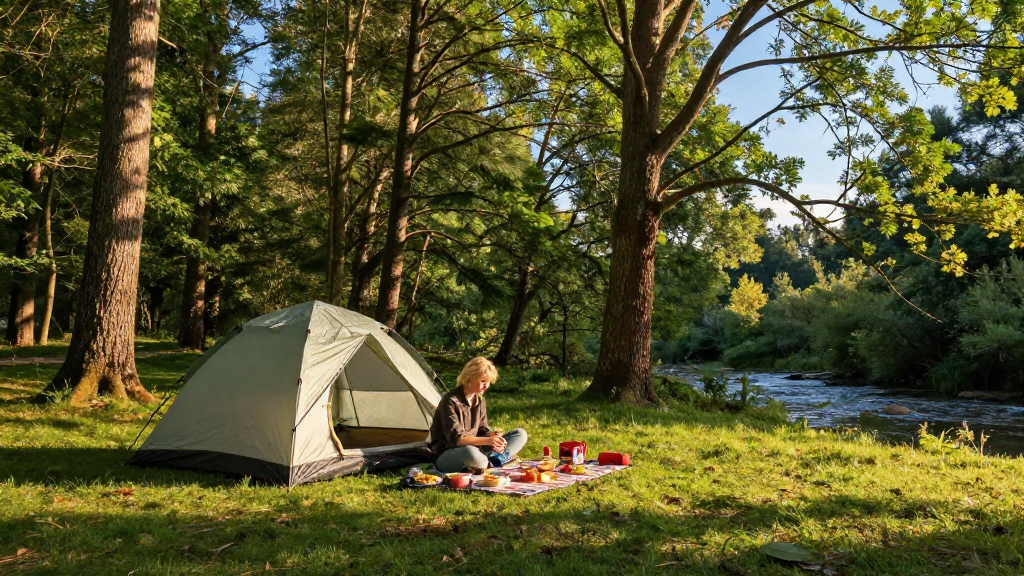
Going camping with allergies can pose unique challenges, but with proper planning, you can enjoy the great outdoors without compromising your health.
What Allergies Should You Prepare For?
Before embarking on your camping adventure, it’s vital to identify your specific allergies. Common allergens include:
- Pollen: Trees, grasses, and weeds can trigger seasonal allergies.
- Dust mites: Found in tents and sleeping bags if they haven’t been cleaned regularly.
- Mold: Can thrive in damp camping environments, including bathrooms and kitchens.
- Food allergies: Be aware of your dietary restrictions and the risk of cross-contamination.
Knowing what you’re up against will help you take proactive steps while camping with allergies.
How Can You Choose the Right Location?
Selecting a suitable camping location is crucial for minimizing allergy symptoms. Here are some tips to find the best spot:
- Research the area: Check local pollen counts and avoid high-pollen regions during peak seasons.
- Opt for low-allergen environments: Look for sites away from tall grasses, dense forests, and flowering plants.
- Travel during off-seasons: If you have seasonal allergies, consider camping during times when allergens are less prevalent.
Performing diligent research enables you to enjoy nature while minimizing exposure to potential allergens during camping with allergies.
What Supplies Should You Pack?
Preparation is key when camping with allergies. Here’s a comprehensive list of essential supplies you should consider packing:
- Medications:
- Antihistamines (check if they induce drowsiness)
- Decongestants
- Nasal sprays
-
Emergency epinephrine auto-injectors (if applicable)
-
Personal care items:
- Unscented toiletries
- Antimicrobial hand wipes or gel
-
Sunscreen (with no fragrances)
-
Camping gear:
- Breathable, allergy-proof tent
- High-quality air mattress or sleeping pad (to minimize mold)
-
Clean linens and sleeping bags (wash before the trip)
-
Food supplies:
- Pre-packaged meals that adhere to your dietary restrictions
- Snacks that you have prepared at home to avoid allergens
- Separate utensils and cooking ware to prevent cross-contamination
Ensure you have all these essentials to create a safe environment for yourself while camping with allergies.
How Can You Manage Allergies at the Campsite?
Once you reach your campsite, it’s important to maintain a low-allergen environment. Here are some strategies to consider:
- Set up camp in a clear area: Choose a campsite that’s free from overhanging trees or high grasses.
- Ventilate your tent: Open all vents and zippers to keep fresh air circulating, reducing indoor allergens.
- Limit dust: Shake out sleeping bags, tents, and clothes outside before bringing them in. Keeping your area clean can significantly reduce the presence of dust mites.
- Be mindful of mold: Store food in airtight containers and keep the campsite clean to prevent mold growth.
Taking these measures can significantly ease your experience while camping with allergies.
What Should You Do if Symptoms Arise?
Even with the best preparations, allergy symptoms can still flare up. Be prepared with the following actions:
- Take your medications: Don’t wait until symptoms worsen; take antihistamines at the first sign of discomfort.
- Find shelter: If pollen or dust is high, consider retreating to your tent or vehicle until levels drop.
- Use a saline nasal rinse: This can help clear allergens from your nasal passages.
- Stay hydrated: Drink plenty of water to help your body manage allergic reactions better.
By knowing how to effectively respond to symptoms while camping with allergies, you can minimize disruptions to your outdoor experience.
Can You Enjoy Outdoor Activities?
Camping offers a world of activities, but be mindful of your limits. Here’s how to engage safely:
- Participate in controlled outdoor activities: Choose hiking routes that are less exposed to high pollen areas, such as shaded trails.
- Fishing or swimming: If you’re allergic to plant pollen, consider water activities that allow you to enjoy nature without triggering symptoms.
- Relaxation: Spend time reading or meditating at your campsite instead of engaging in high-intensity activities outdoors.
By prioritizing your health, you can still have a fantastic time while camping with allergies.
What Are the Key Takeaways?
Camping with allergies doesn’t have to be a negative experience. Here are the essential points to remember:
- Know your allergens: This will guide your preparations and choices.
- Choose wisely: A suitable camping location can reduce exposure to allergens.
- Prepare thoroughly: Always have your medication and essentials handy.
- Stay vigilant: Monitor your symptoms and respond promptly when they arise.
- Be adaptable: Enjoy various activities that suit your energy and health conditions.
With careful planning and consideration, you can create enjoyable camping with allergies experiences that don’t compromise your health. Happy camping!