If you want sharper wildlife and landscape views without hauling heavy gear, the right scope can make a big difference on the trail.
This roundup of the best spotting scopes for hiking in 2026 focuses on compact size, usable magnification, tripod stability, and real-world portability.
Best 10 Spotting Scopes for Hiking Picks for 2026
Budget-Friendly Starter Scope
SVBONY SV28 25-75x70 Angled Spotting Scope
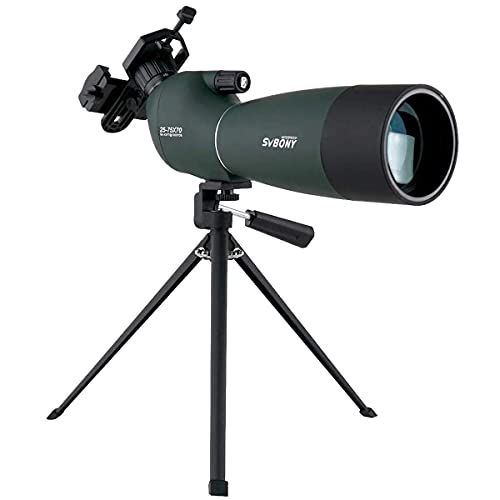
- 25-75x zoom for flexible viewing
- 70mm lens for decent light gathering
- Includes phone adapter and tripod
Best For: Beginner hikers and casual outdoor viewers
Ultra-Compact Trail Monocular

- Weighs just 9.5 oz. for easy carry
- Fully multi-coated optics with BaK4 prism
- IPX4 water resistance for rough weather
Best For: Ultralight hikers needing a pocketable viewing tool
High-Power All-Rounder

- 25-75x zoom with 80mm objective lens
- BAK4 prism and FMC optics
- Includes phone holder and carrying bag
Best For: Hikers who want more power and don’t mind extra weight
Premium Lightweight Trail Optic
Celestron TrailSeeker 16-48x65

- Compact 65mm design for easier carry
- XLT coatings and phase-coated BaK-4 prisms
- Waterproof, nitrogen-purged magnesium alloy body
Best For: Serious hikers and birders wanting premium compact optics
Best All-Around Value
Gosky DiamondEdge 20-60x80 for Bird Watching

- 20-60x zoom with 80mm objective lens
- Waterproof, fog-proof, rubber-armored body
- Includes tripod, phone adapter, and case
Best For: hikers who want one feature-packed scope for birds, scenery, and digiscoping
Most Portable
Celestron Hummingbird ED 56mm Angled Micro Spotting Scope
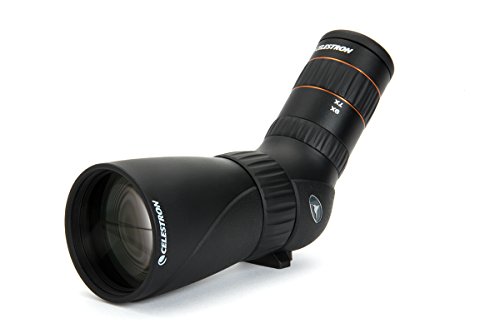
- Micro-sized and 1.4 pounds
- ED lens system with 9-27x zoom
- Waterproof, nitrogen-filled build
Best For: hikers who prioritize low weight and compact carry over maximum magnification
Best Long-Range Zoom
25-75x80 Spotting Scope with Tripod

- 25-75x zoom for maximum reach
- 80mm multi-coated lens with BAK4 prism
- Full-size adjustable tripod included
Best For: hikers who want maximum magnification and a full-size tripod for stable viewing
Compact Mak for Travel
Celestron C70 Mini Maksutov Spotting Scope for Birding

- 2-pound, 11-inch compact design
- 25-75x zoom for trail viewing
- Includes tabletop tripod and case
Best For: Hikers who prioritize portability and general-purpose viewing
All-Weather Trail Zoom
25-75x70 Spotting Scope with Tripod

- IPX7 waterproof and fog-proof body
- 70mm lens with BAK4 and FMC optics
- Includes tripod and phone adapter
Best For: Hikers who want a rugged all-in-one spotting scope kit
High-Detail Mountain View

- 80mm objective for brighter views
- Dual focus knobs for precise sharpening
- Tripod and phone adapter included
Best For: Hikers who want more detail and brightness on longer viewpoints
Budget-Friendly Starter Scope – SVBONY SV28 25-75×70 Angled Spotting Scope
If you’re shopping for spotting scopes for hiking and want an affordable option that still covers the basics, the SVBONY SV28 is a practical place to start. Its 25-75x zoom and 70mm objective lens give you flexibility for scanning scenery or checking distant detail, while the lightweight build makes it easier to pack for trips and camping.
Best For: Beginner hikers, campers, and casual birdwatchers who want a lightweight spotting scope with included accessories.
Pros:
- 25-75x zoom offers a wide viewing range for different distances.
- 70mm objective lens helps gather more light for a brighter image.
- Lightweight and portable enough to carry on hikes or store in the car.
- Includes a phone adapter and portable desktop tripod.
Cons:
- Desktop tripod is better suited to stationary use than rugged trail spotting.
- Best described as beginner to novice level rather than a premium optic.
- Manual focus requires a bit more patience when changing viewing distance.
Overall, the SV28 is a good value pick if you want a simple, travel-friendly scope for occasional outdoor use. It is especially appealing when you want a single setup that can handle hiking, camping, and basic wildlife viewing without a big investment.
Ultra-Compact Trail Monocular – Nocs Zoom Tube 8×32 Monocular
For hikers who want something far smaller than a full spotting scope, the Nocs Provisions Zoom Tube is a compact option built for easy carry. It weighs just 9.5 oz. and is designed for birdwatching, hiking, camping, and travel, with fully multi-coated optics for a bright, crisp view.
Best For: Ultralight hikers who want a pocketable monocular for quick looks on the trail.
Pros:
- Very lightweight at 9.5 oz. and easy to pack.
- Fully multi-coated optics and BaK4 prism support bright, clear views.
- Water-resistant IPX4 rating helps it handle rain, fog, and snow.
- Tripod adapter and smartphone-friendly design add versatility.
Cons:
- 8×32 monocular format offers less reach than larger spotting scopes.
- Best for quick viewing rather than long, detailed observation sessions.
- Not as steady in hand as a larger scope when comparing fine detail at distance.
This is a strong pick if your priority is portability over maximum magnification. For hiking, it makes sense when you want a rugged, compact optic that won’t weigh down your pack.
High-Power All-Rounder – Gosky 25-75×80 Spotting Scope
If you want spotting scopes for hiking with a stronger reach and a larger objective lens, the Gosky 25-75×80 is built for that kind of use. Its 80mm lens and BAK4/FMC optics are aimed at delivering balanced performance for birdwatching, hiking, hunting, target shooting, and wildlife viewing.
Best For: Hikers who want a more powerful, feature-rich scope for longer-distance viewing.
Pros:
- 25-75x magnification provides flexibility from scanning to close inspection.
- 80mm objective lens is designed for strong light gathering.
- BAK4 prism and FMC optics support clearer viewing.
- Includes an integrated phone holder and carrying bag.
Cons:
- At 4.5 pounds, it is heavier than compact hiking optics.
- Better suited to base-camp or car-backed outings than minimalist day hikes.
- Requires tripod use for the steadiest viewing at higher zoom levels.
The Gosky is a sensible choice if you’re willing to carry extra weight for more viewing power. It stands out as a full-featured option for hikers who also want a scope they can use for birding and other outdoor viewing tasks.
Premium Lightweight Trail Optic – Celestron TrailSeeker 16-48×65
The Celestron TrailSeeker is a strong match for hikers who want a lighter spotting scope without giving up premium optics. Its 65mm objective, fully multi-coated XLT lenses, and phase-coated BaK-4 prisms are designed for bright, sharp viewing, and the compact magnesium alloy body is built for travel and field use.
Best For: Serious hikers and birders who want a compact, rugged scope with higher-end optics.
Pros:
- Compact 65mm body is lighter and easier to carry on hikes.
- XLT coatings and phase-coated BaK-4 prisms support bright, sharp views.
- Angled body with rotating tripod collar helps with comfortable positioning.
- Waterproof, nitrogen-purged design adds confidence in rough conditions.
Cons:
- Lower 16-48x zoom range is less flexible than higher-power scopes for some users.
- Premium features may place it above basic entry-level budgets.
- Works best with a tripod for steady extended viewing.
For hikers who care about image quality and portability, this is the most refined option in the group. It makes sense when you want a compact scope that feels ready for all-day birding, travel, and changing trail conditions.
Best All-Around Value – Gosky DiamondEdge 20-60×80 for Bird Watching
If you want a versatile spotting scope for hiking, the Gosky DiamondEdge 20-60×80 gives you a wide zoom range and a large 80mm objective lens for long-range viewing on the trail. It is built for birdwatching, wildlife, camping, scenery, and even stargazing, while the included tripod and phone adapter make it easier to use on the go.
Best For: hikers who want one feature-packed scope for birds, scenery, and occasional digiscoping.
Pros:
- 20-60x variable magnification for flexible long-range viewing
- 80mm fully multi-coated lens and BAK4 prism for brighter, sharper images
- Waterproof, fog-proof, and rubber-armored for tougher outdoor use
- Includes smartphone adapter, tabletop tripod, carrying case, and lens covers
Cons:
- Tabletop tripod is better for stable setups than quick handheld use
- At 2.4 pounds, it is not the lightest option for long hikes
This is a practical all-purpose pick if you want strong magnification and solid accessory value without moving into a more compact premium class.
Most Portable – Celestron Hummingbird ED 56mm Angled Micro Spotting Scope
The Celestron Hummingbird ED 56mm is the spotting scope for hiking when pack space matters most. Its micro size, 1.4-pound weight, and pocket-friendly design make it easy to carry, while the ED optical system and 9-27x zoom give you a useful balance of clarity and reach for trail use.
Best For: hikers who prioritize low weight and compact carry over maximum magnification.
Pros:
- Micro-sized and easy to carry in a vest, coat pocket, belt pack, or shoulder bag
- ED lens system delivers sharp images with well-managed color
- 9-27x magnification range is practical for mixed viewing needs
- Waterproof and nitrogen-filled for wet or humid conditions
Cons:
- 56mm objective lens is smaller than full-size spotting scopes
- Designed more for portability than maximum long-range power
If you want something you can actually bring on longer hikes without much bulk, this is the most travel-friendly option in the group.
Best Long-Range Zoom – 25-75×80 Spotting Scope with Tripod
For hikers who want more reach, this 25-75×80 spotting scope offers the strongest zoom range in the roundup and pairs it with a full-size tripod for steadier viewing. The 80mm fully multi-coated lens, BAK4 roof prism, and angled eyepiece are aimed at bright, comfortable viewing during birding, wildlife watching, and trail use.
Best For: hikers who want maximum magnification and a full-size tripod for more stable viewing.
Pros:
- 25-75x magnification for detailed distant viewing
- 80mm fully multi-coated lens and BAK4 prism for brighter images
- Full-size tripod extends from 18.3″ to 59.3″ for flexible setups
- Waterproof and fogproof construction with sunshade and phone adapter included
Cons:
- At 7.78 pounds, it is the heaviest option here
- Bulk and tripod size make it less ideal for minimalist hiking
This is the pick for hikers who care more about zoom range and steadiness than shaving weight from their pack.
Compact Mak for Travel – Celestron C70 Mini Maksutov Spotting Scope for Birding
If you want spotting scopes for hiking that are easy to carry without giving up reach, the Celestron C70 Mini Mak is built around portability. Its 2-pound weight and 11-inch length make it simple to pack, while the 70mm aperture and 25-75x zoom give you enough magnification for distant birds, wildlife, and scenic details.
Best For: Hikers who want a compact spotting scope for birding, wildlife viewing, and occasional digiscoping on the trail.
Pros:
- Very portable at just 2 pounds and 11 inches long
- 25-75x built-in zoom covers both scanning and closer detail
- Includes a tabletop tripod with slow motion controls
- Soft carrying case makes trail transport easier
Cons:
- Tabletop tripod is less flexible than a full-size field setup
- Best suited to users who value compact size over maximum light-gathering
The C70 is a practical pick when pack size matters most, especially for short hikes, day trips, and mixed-use viewing. It stands out for combining a small form factor with the versatility to handle both land viewing and night sky observation.
All-Weather Trail Zoom – 25-75×70 Spotting Scope with Tripod
For spotting scopes for hiking, this 25-75×70 model is aimed at users who want a full-featured setup that can handle changing trail conditions. The 70mm objective lens, BAK4 prism, and FMC coatings are designed to improve brightness and detail, while the IPX7 waterproof and fog-proof build adds confidence for dawn starts, dew, and light rain.
Best For: Hikers and outdoor observers who want a rugged, zoom-capable scope with a complete accessory kit.
Pros:
- 70mm lens with BAK4 prism and FMC coatings for brighter views
- IPX7 waterproof and fog-proof construction for variable weather
- Includes tripod, smartphone adapter, carry bag, and cleaning cloth
- Angled eyepiece can reduce neck strain during longer sessions
Cons:
- At 2.9 pounds, it is not the lightest option for long carries
- Best for users who can manage a slightly larger field kit
This is a strong choice if you want one scope that can cover hiking, wildlife viewing, and occasional target or moon viewing without buying extra accessories. The included tripod and phone adapter make it especially convenient for users who want an all-in-one package.
High-Detail Mountain View – 20-60×80 HD Spotting Scope
If your hiking trips often involve long overlooks or distant landscape viewing, this 20-60×80 HD scope brings a bigger 80mm objective and dual focusing system to the trail. Its BAK4 optics and broadband multi-coating are aimed at brighter, clearer views in low light, while the 45-degree angled body helps make longer viewing sessions more comfortable.
Best For: Hikers who want a larger-aperture spotting scope for detailed mountain, wildlife, and low-light viewing.
Pros:
- 80mm objective lens for stronger light intake
- Dual focus knobs for quick and precise sharpening
- Waterproof and fog-proof nitrogen-purged design
- Includes tripod, phone adapter, and carrying case
Cons:
- Larger and heavier than compact trail-first scopes
- Best suited to hikers who can carry a bigger viewing setup
This model makes sense when image quality and reach matter more than minimizing pack weight. For hikers who stop to watch birds, mountain textures, or distant lakes, the bigger optic and dual focus system offer a more refined viewing experience.
How We Picked the Best Spotting Scopes for Hiking
For Spotting Scopes for Hiking, portability matters just as much as optical performance. We prioritized models that balance weight, packability, magnification range, and usability in changing outdoor conditions. We also looked for scopes that make sense for trail use, not just target shooting from a bench.
Quick Comparison
In general, smaller-aperture models are easier to carry and faster to set up, while larger 65mm to 80mm scopes tend to deliver brighter views at longer distances. Higher zoom can be useful, but only if the tripod and focus system are steady enough to support it. If you hike light, compact spotting scopes and monocular-style options are usually the easiest to live with.
Key Buying Factors for Spotting Scopes for Hiking
Size and Weight
Start with portability. A scope that stays at home because it is bulky or awkward is not useful on the trail. Compact bodies, smaller objective lenses, and travel-friendly carrying setups are valuable for day hikes and backpacking.
Magnification and Usable Stability
Higher zoom is not always better. For hiking, a moderate range is often more practical because very high magnification amplifies hand shake, wind, and tripod vibration. Make sure the included support is stable enough for the scope’s top end.
Optical Brightness and Image Quality
Objective size, glass quality, and coatings affect brightness and contrast. If you expect dawn, dusk, or shaded forest use, look for better light transmission rather than chasing magnification alone.
Focus, Angled Viewing, and Accessory Compatibility
Fast, precise focusing is helpful when wildlife moves quickly. Angled eyepieces can be more comfortable on slopes or when sharing the view. Phone adapters can also be useful if you like documenting what you see, but they should not add too much bulk.
Who Should Buy Which Spotting Scopes for Hiking?
Choose a compact, lighter model if your priority is backpacking and occasional glassing from overlooks. Pick a larger 65mm to 80mm scope if you want brighter long-range views and do not mind extra weight. If you want the easiest setup for short hikes, a small monocular or mini spotting scope can be the most practical choice. For birders and wildlife watchers, a balanced option with solid optics and a stable tripod is usually the sweet spot.
Ultimately, the best choice depends on how far you carry it, how often you use it, and whether you value maximum detail or minimum pack weight.