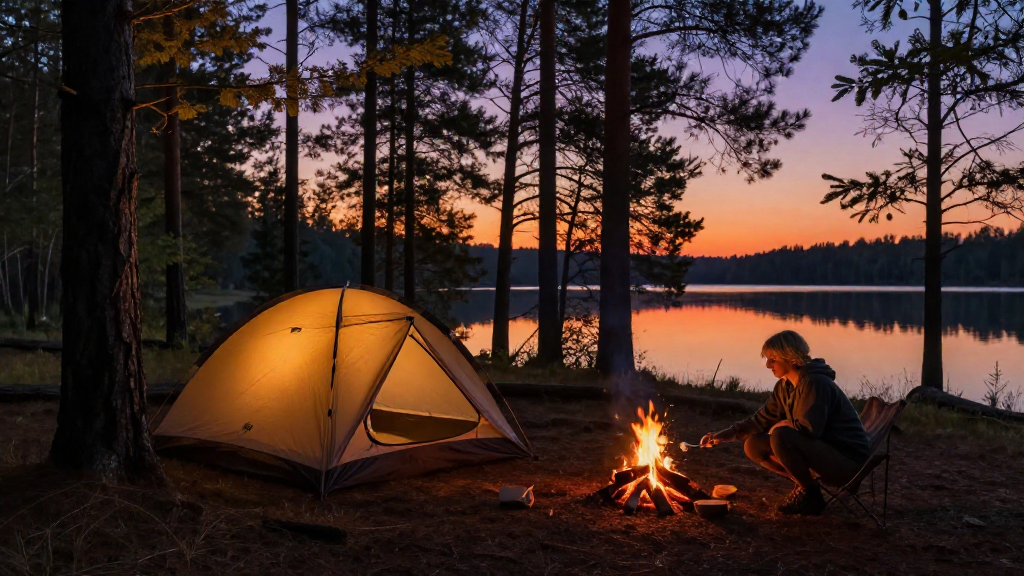
If you’re curious about how to camp off grid, you’re not alone.
Many outdoor enthusiasts are seeking a more immersive experience, disconnected from the hustle and bustle of daily life. However, safety should always be a priority for off-grid camping. In this article, we will walk you through practical tips and strategies on how to camp off grid safely, ensuring you enjoy your adventure while minimizing risks.
What Does It Mean to Camp Off Grid?
Camping off grid involves staying in remote locations without modern conveniences such as electricity, running water, or Wi-Fi.
It allows you to recharge in nature, but it also means you need to be self-reliant. This type of camping can involve:
- Setting up your tent in unassigned areas
- Using natural resources for cooking and warmth
- Relying on solar-powered equipment or battery packs
Why Choose Off-Grid Camping?
Off-grid camping offers unique benefits, including:
- Solitude: Enjoy the peace and quiet of nature without crowds.
- Connection to Nature: Experience natural surroundings in their purest form.
- Adventure: Embrace challenges like hunting, fishing, and foraging.
How Do You Prepare for Off-Grid Camping?
Preparation is key when learning how to camp off grid.
Follow these essential steps to ensure you’re ready:
-
Research Your Destination:
– Know what the terrain is like.
– Check for any regulations or permits required. -
Pack the Right Gear:
– Tent: A sturdy tent suitable for the weather conditions.
– Sleeping Gear: Sleeping bags rated for the temperatures you expect.
– Cooking Supplies: Portable stove, cooking utensils, and portable windproof fire starters. -
Stock Up on Safety Supplies:
– First-aid kit, including items like antiseptics and bandages.
– Flashlights or headlamps with extra batteries.
– Multi-tool or knife for various tasks. -
Plan for Water and Food:
– Carry enough water for your trip or a reliable filtration system.
– Pack non-perishable food items, or plan to hunt and forage safely.
What Are the Safety Tips for Off-Grid Camping?
Staying safe while learning how to camp off grid means knowing how to prepare for unexpected situations. Here are some fundamental safety tips:
-
Know the Weather:
– Check forecasts often.
– Prepare for sudden changes, especially in mountainous or temperamental areas. -
Stay on Established Trails:
– This reduces the risk of getting lost.
– It also minimizes your footprint on the natural environment. -
Secure Your Campsite:
– Choose a flat space away from hazardous areas like cliffs or water sources.
– Set up your tent and cooking area away from your sleeping area to minimize wildlife encounters. -
Make Noise:
– When moving through dense areas, make noise to avoid startling wildlife.
– Carry a bell or whistle to signal your presence. -
Bear-Proof Your Food:
– Use bear canisters or hang food at least 10 feet off the ground and 4 feet from the tree trunk.
– Clean all cooking gear thoroughly after use. -
Trust Your Instincts:
– If something doesn’t feel right about a location or situation, seek a safer option. -
Emergency Contacts and Plan:
– Share your itinerary with friends or family.
– Don’t forget to inform them about your planned return date.
How to Handle Emergencies When Camping Off Grid?
Part of understanding how to camp off grid is knowing how to respond to emergencies.
Here are some steps to take:
-
Stay Calm:
– In emergencies, remaining calm will help you think clearly and make efficient decisions. -
Assess the Situation:
– Determine what happened and whether anyone is injured or in danger. -
Use Your First-Aid Kit:
– Treat minor injuries immediately.
– For serious injuries, try to stabilize the patient and seek help. -
Emergency Communication:
– Carry a satellite phone or personal locator beacon (PLB) for emergencies.
– Understand the procedure for contacting emergency services in your chosen area. -
Create a Signal for Help:
– Use bright colors, smoke signals, or mirrors to attract attention.
How to Respect Nature While Camping Off Grid?
One of the most significant aspects of learning how to camp off grid is understanding your impact on the environment.
To enjoy off-grid camping responsibly:
- Leave No Trace:
-
Clean up after yourself; pack out what you pack in.
-
Follow Wildfire Safety Guidelines:
-
Only make campfires in designated areas and ensure they are completely extinguished before leaving.
-
Don’t Disturb Wildlife:
-
Observe animals from a distance, never feed them or interfere with their habitats.
-
Stay on Trails:
- This protects delicate ecosystems and prevents additional erosion.
What Are the Must-Have Gear for Off-Grid Camping?
Knowing what to pack is part of how to camp off grid efficiently. Here is an essential gear list:
- Shelter Gear: Tent, sleeping bag, sleeping pad, tarp for extra weather protection.
- Cooking Gear: Lightweight stove, fuel, biodegradable soap, utensils, and a food storage system.
- Navigation Tools: Map, compass, and possibly a GPS device.
- Repair Kits: Duct tape, paracord, and multi-tools for emergency repairs.
- Outdoor Clothing: Quick-dry clothing, durable boots, and layered attire.
Can Fashion and Comfort Go Hand in Hand?
Just because you are camping off grid doesn’t mean you must sacrifice comfort for practicality.
Consider the following:
- Choose breathable fabrics that dry quickly.
- Pack comfortable hats and footwear.
- Invest in quality gear that has multiple functions.
How to Enjoy the Experience of Off-Grid Camping?
Finally, after covering how to camp off grid safely, remember that the ultimate goal is to enjoy the experience.
- Embrace the simplicity and peace of nature.
- Engage with your surroundings by:
- Exploring nearby trails: Hiking or biking can be a great workout and way to discover new areas.
- Fishing or swimming: If permissible, enjoy aquatic activities nearby.
- Wind down: Use this time to meditate, read, or practice photography.
With proper preparations and precautions taken to ensure safety, your off-grid camping adventure can be a rewarding experience to cherish for a lifetime.
By keeping these tips in mind, you’ll be well on your way to mastering how to camp off grid safely while creating unforgettable memories.