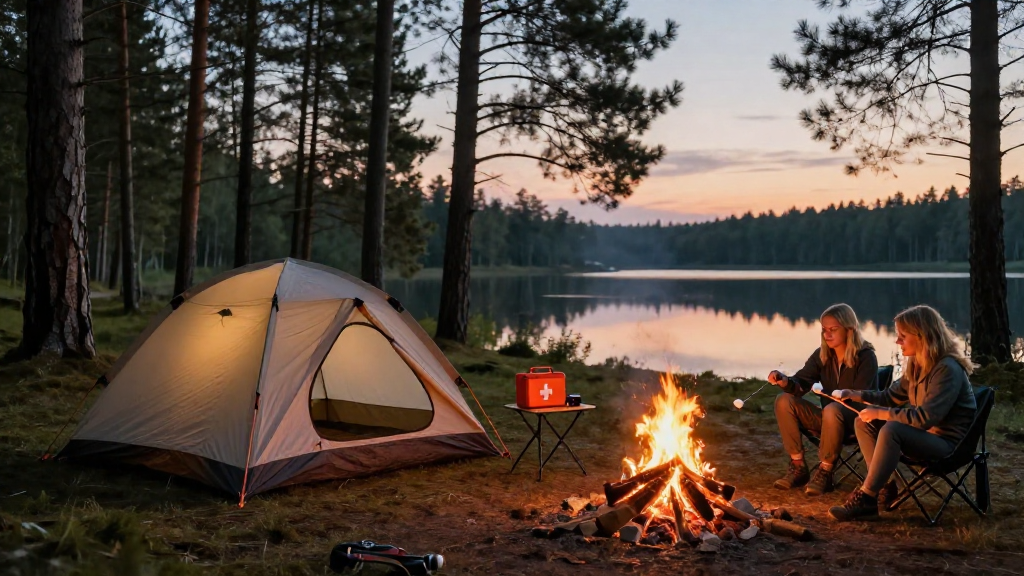
When planning an exhilarating outdoor adventure, knowing the right camping safety tips can make all the difference in ensuring a secure and enjoyable experience.
What Are Essential Camping Safety Tips?
When you head into the wild, it’s crucial to be prepared. Here are some essential camping safety tips to keep in mind:
-
Research Your Campground
Familiarize yourself with the geography, wildlife, and weather conditions of the area. Make sure you check any special regulations, as some campgrounds may have rules regarding campfires, food handling, or wildlife. -
Pack Safety Gear
Always pack the necessary safety gear, including:
- First aid kit: Include essential supplies such as antiseptics, band-aids, and prescription medications.
- Flashlights: Ensure they are equipped with fresh batteries and bring extra bulbs.
- Multi-tool: This versatile tool can be incredibly useful for various tasks.
- Whistle: A whistle can be helpful for signaling in case of emergencies.
- Follow Fire Safety
Campfires can be enjoyable but also dangerous. Here are some fire safety tips:
- Build fires in designated fire circles only.
- Keep flammable materials away from the fire.
- Always have water available to extinguish the fire fully before leaving the area.
- Know How to Handle Food Safely
To avoid attracting wildlife, it’s necessary to follow food safety rules:
- Store food in bear-proof containers if in bear country.
- Keep perishable items in coolers with ice packs.
- Dispose of waste properly and be sure to pack out everything you pack in.
- Stay Hydrated
Water is vital during your camping trip. Always carry:
- Adequate water or water purification supplies.
- Reusable water bottles to minimize waste.
- Hydration packs for easier transport while hiking.
What Are Some Wildlife Safety Tips?
While camping, be aware that you may encounter wildlife. Taking appropriate precautions can prevent dangerous situations. Here are some wildlife safety tips you need to consider:
-
Store Food Properly
As mentioned earlier, preventing wildlife encounters begins with proper food storage. This is one of the most effective camping safety tips to keep animals at bay. -
Make Noise While Hiking
When hiking in areas where predators may roam, make noise—this discourages animals from approaching. Talk, clap, or use bells attached to your gear. -
Know Your Surroundings
Familiarize yourself with local wildlife. Understand which animals are common to the area and how to avoid confrontations. Each species may require different approaches to safety. -
Keep a Safe Distance
Never approach a wild animal. Observing from afar is the best way to enjoy wildlife while maintaining safety. -
Understand Bear Behavior
If you are in bear country, educate yourself about bear behavior. Practice what to do in case of a bear encounter—sometimes, it involves backing away slowly while avoiding eye contact.
What Should You Do for Personal Safety?
Your personal safety is paramount while camping. Here are several camping safety tips to maintain personal security:
-
Travel with a Buddy
Whenever possible, camp with others. This adds a layer of security, especially when venturing out for hiking or exploring. -
Establish a Communication Plan
Before heading into remote areas, make sure someone knows your itinerary and expected return time. This is crucial for search and rescue if something goes wrong. -
Stay Sober
While it may be tempting to enjoy alcoholic beverages, remaining alert is essential. Alcohol can impair judgment and coordination, which are vital for safety in the wild. -
Educate Yourself Beforehand
Take a wilderness first aid course or learn survival skills. Knowing how to react in emergencies can save lives. -
Trust Your Instincts
If a situation feels off or unsafe, trust your gut. Move on or seek assistance.
How Can You Prepare for Weather Conditions?
Weather can change unexpectedly during your camping trip. Here are some camping safety tips to prepare adequately for any forecast:
-
Check the Weather Forecast
Always check the forecast before leaving and during your trip. Adjust your plans as needed for inclement weather. -
Pack Appropriate Clothing
Bring layered clothing to adapt to changing weather. Consider packing:
- Moisture-wicking base layers
- Insulating layers (like fleece)
- Waterproof outer layers (such as rain jackets)
-
Know How to Create Shelter
If caught in extreme weather, knowing how to create effective shelter is crucial. Practice setting up your tent before your trip to ensure water and wind resistance. -
Understand Severe Weather Warning Signs
Be on the lookout for signs of thunderstorms or severe winds. Have an emergency plan in place in case conditions worsen. -
Avoid Low-lying Areas During Rain
Set up camp in high ground, as these areas are less likely to flood during heavy rain.
What Are the Best Fire Safety Guidelines?
Fire can be both a necessity and a hazard in the camping world. Here are some camping safety tips focused specifically on fire safety:
-
Select Safe Fire Locations
Ensure that fires are only made in designated areas and are away from tents and flammable materials. -
Extinguish Fires Completely
Leave no trace behind by ensuring all embers and fire remain cold before leaving the site. -
Use Appropriate Materials
Only burn dry wood to minimize smoke and stinging embers. Avoid burning plastics or treated woods which can release toxic fumes. -
Avoid Fire During High Winds
Strong winds can cause forest fires quickly. If the forecast predicts high winds, opt out of building a campfire.
Conclusion: How Important Are Camping Safety Tips?
Camping safety tips are vital for a successful outdoor experience.
By preparing adequately, being aware of your surroundings, and following proper protocols, you can enjoy the beautiful outdoors while ensuring that you and your fellow campers remain safe.
Remember to incorporate these tips into your next camping adventure, as they can greatly enhance your overall experience in nature. With a little preparation and awareness, you can have a memorable camping trip that is both fun and secure.