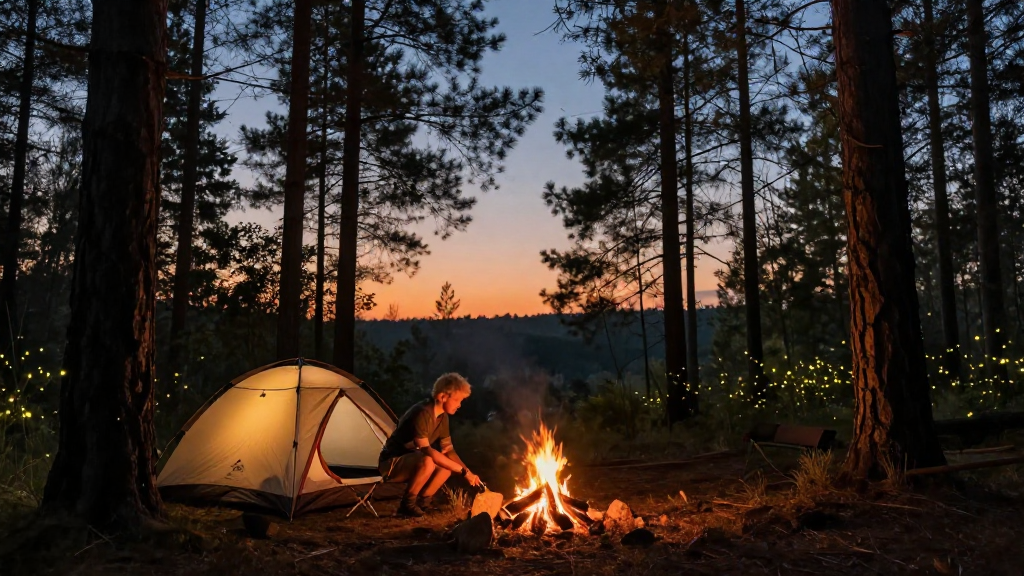
If you’re wondering how to find free campsites, you’re not alone.
Many outdoor enthusiasts are seeking affordable alternatives to traditional campgrounds. This article will explore various practical approaches to help you discover legitimate, free camping options while maximizing your outdoor experience.
What Are the Best Platforms to Find Free Campsites?
Finding free campsites requires a mix of research and resources. Online platforms are invaluable for anyone looking to explore free camping options legally. Some of the most popular ones include:
-
Campendium
This website provides user-generated information on free campsites across the United States.
You can filter by amenities, location, and type of camping (boondocking, RV, tent). -
iOverlander
A community-driven app that allows users to find free campsites, rest areas, and more.
Users can add and update information in real-time, making it a highly reliable resource. -
FreeCampsites.net
This site focuses on campgrounds that are completely free, with user reviews detailing conditions and accessibility. -
AllTrails
While primarily a hiking platform, AllTrails often lists nearby campsites, including those that may not have a fee. -
National Forest Service and BLM Websites
Both agencies maintain extensive databases of camping locations, including free sites in national forests and BLM lands.
The combination of these platforms provides a comprehensive view to help you understand how to find free campsites that suit your needs.
What Resources Can Help You Identify Free Campsites?
Knowing where to look is essential when searching for free campsites. Here are some great resources and methods to consider:
1. Online Forums and Communities
Join online forums such as Reddit’s r/camping or specialized camping Facebook groups.
These platforms often share real-time information on the best free campsites and hidden gems.
2. Mobile Apps
In addition to iOverlander, consider apps like Camp Target or Park4Night, which allow campers to share and receive information on free camping spots.
3. Guidebooks
Local guidebooks that focus on hiking and camping often detail how to find free campsites and can be excellent for planning ahead.
4. Facebook Groups and Social Media
Look for local camping community groups on Facebook or follow hashtags on Instagram.
Many campers share their experiences, tips, and recommendations in these platforms.
What Types of Locations Offer Free Campsites?
To master how to find free campsites, you must recognize the types of locations where these sites are commonly found:
1. National Forests and Bureau of Land Management (BLM) Land
These areas often allow dispersed camping, meaning you can camp outside of designated campgrounds.
Just ensure you follow the established rules to camp legally here.
2. State Parks
Some state parks offer free or donation-based campsites, although the availability can vary significantly.
3. Wildlife Management Areas
Several wildlife management areas permit camping. It’s crucial to check not only for legal permissions but also for specific regulations regarding camping.
4. County Parks
Local county parks may have free or low-cost campsites available, especially if they’re not heavily trafficked.
How Do You Ensure You’re Camping Legally?
Understanding how to find free campsites requires some knowledge of local regulations. Here are some tips to ensure you’re camping legally:
1. Check Local Regulations
Different areas have specific camping rules. Research them before heading out.
2. Obtain Necessary Permits
Some places require permits even for free campsites. Make sure to acquire them in advance.
3. Adhere to Leave No Trace Principles
Respect the environment by following Leave No Trace principles.
Properly dispose of waste, avoid campfires when not allowed, and don’t disturb wildlife.
How Can You Find Unique Free Campsites?
Looking for off-the-beaten-path free campsites can be rewarding. Here’s how you can uncover unique spots:
1. Explore Remote Areas
Venture off main roads to discover lesser-known spots. Use GPS or paper maps for remote locations.
2. Ask Local Campers
Locals are often the best source for finding unique camping spots.
Engage with them at popular campsites or even online communities.
3. Follow Seasonal Trends
Seasonal changes can affect campsite availability.
Longer daylight hours in summer may reveal more dispersed camping options.
4. Consult Online Reviews
Reading recent reviews and experiences from fellow campers can uncover hidden gems.
Why Is It Important to Plan Ahead?
While the excitement of spontaneous camping is undeniable, planning ahead is critical for finding free campsites. Here’s why:
-
Safety
Knowing where you’re going enhances safety.
Look for sites with good access points, which can be crucial in emergencies. -
Availability
Planning allows you to assess whether campsites are occupied particularly during peak seasons. -
Legal Awareness
Understanding the regulations beforehand ensures that you are camping legally and respect the land. -
Resource Allocation
Finding free campsites often comes with disclaimers on facilities. Ensure you’re well-prepared with enough food, water, and gear.
What to Do If You Can’t Find Free Campsites?
Sometimes, your search may not yield the results you expect. Here’s a fallback plan:
1. Look for Affordable Campgrounds
Many low-cost campgrounds provide facilities at a fraction of typical site costs.
2. Consider Workamping
If you’re open to working in exchange for a place to stay, platforms like Workamper can be beneficial.
3. Group Camping
Team up with friends to split costs at paid sites, which can be more affordable compared to camping solo.
4. Alternative Accommodation
Check apps such as Hipcamp or Airbnb for camping options that include amenities and experiences.
Conclusion
Knowing how to find free campsites legally opens up a world of adventure for outdoor lovers.
With the right resources—whether it’s online platforms, mobile apps, or community recommendations—you can uncover amazing camping spots without breaking the bank.
As you explore, always ensure you follow local regulations and respect the natural environment.
Adventure awaits, so get out there and start your journey towards discovering free and legal camping sites! Happy camping!